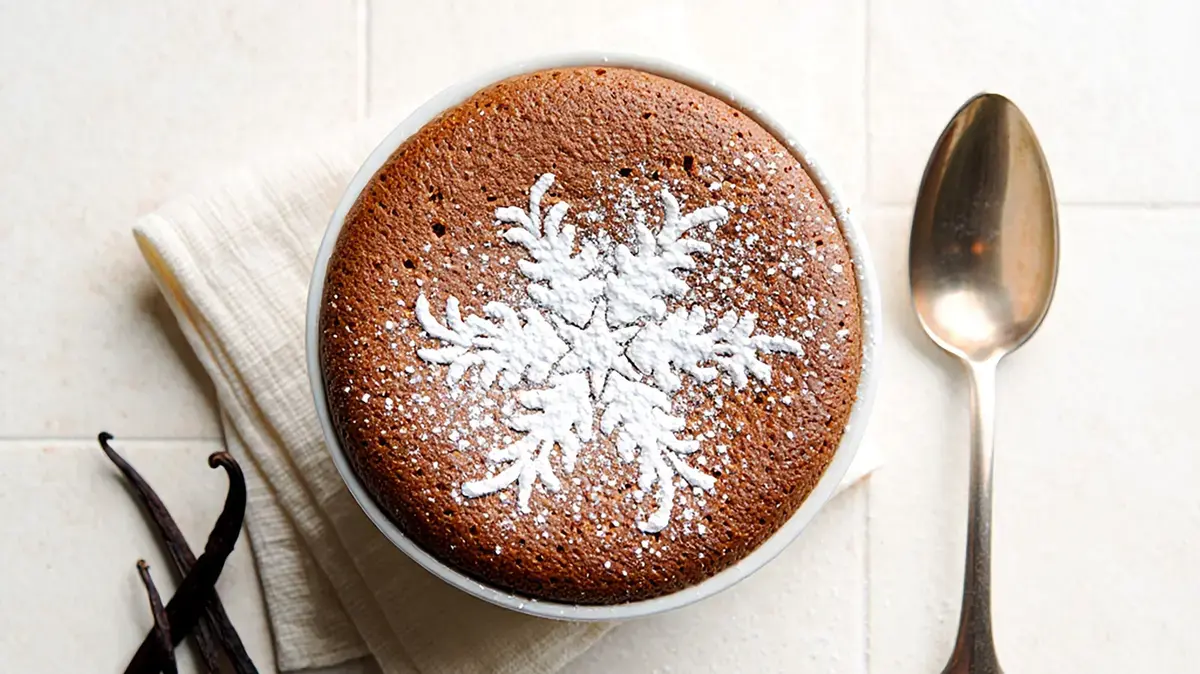
Achieving the Perfect Soufflé: Temperature is Key
The Science Behind the Soufflé's Rise
Baking a flawless soufflé often intimidates home cooks. This delicate French dessert, made from whipped egg whites and yolks folded into a base, demands precision. The right oven temperature is crucial for its signature airy texture and golden finish.
Latest news
 The Ultimate Homemade Chili Recipe for Cold Weather
 The Nutritional Power of Pumpkin Beyond Seasonal Desserts
 A Culinary Journey Through the 30th Epcot International Food and Wine Festival
 Burger King Unleashes Hello Kitty Kids' Meal with Ultra-Rare Golden Collectible
The magic of a soufflé lies in its structure. Whipped egg whites create air pockets, which expand when heated. This expansion causes the soufflé to rise dramatically. Too much heat too quickly can cause the exterior to set before the inside cooks, leading to a dense center. Conversely, too low a temperature might prevent it from rising adequately.
What is the Ideal Baking Temperature?
For most soufflé recipes, a consistent oven temperature of 375°F (190°C) is recommended. This heat allows the egg whites to expand gradually and evenly. It ensures the soufflé rises beautifully without collapsing. Baking for 25-30 minutes at this temperature usually yields a perfectly cooked result.
A slightly lower temperature, around 350°F (175°C), can also work. This might require a longer baking time, typically 30-35 minutes. It offers a gentler rise, which some bakers prefer for very large soufflés. Monitoring the soufflé's color and rise is more important than strict adherence to time. The top should be golden brown and the soufflé fully puffed.
How Can You Prevent a Soufflé from Falling?
The primary reason a soufflé falls is often due to opening the oven door too early. A sudden drop in temperature can cause the delicate structure to deflate. It is best to resist the urge to peek during the first two-thirds of the baking time. Ensure your oven is preheated properly and maintains a consistent temperature. An oven thermometer can help verify accuracy.
Another factor is overmixing the egg whites. They should be stiff but not dry. Overmixing can break down the air cells, making the soufflé less stable. Gently folding the whites into the base is also vital to retain as much air as possible. Serving immediately after baking is also key, as soufflés naturally begin to deflate shortly after leaving the oven.
Why does my soufflé collapse after baking? Soufflés often collapse because their delicate structure is sensitive to temperature changes. Opening the oven door too early or removing it too soon can cause a rapid deflation.
Frequently Asked Questions
Can I prepare soufflé batter ahead of time? It is generally not recommended to prepare soufflé batter too far in advance. The air in the egg whites can dissipate, leading to a less airy final product.
What is the best way to check if a soufflé is done? A soufflé is typically done when it is golden brown and has risen significantly. A slight wobble in the center is acceptable, but it should not be liquid.
Content written by Lucas Carter for fancy-meals.com editorial team, AI-assisted.