
Why Bobby Flay Bans This Notorious Fruit From His Kitchen
Navigating Extreme Culinary Aromas
Renowned celebrity chef Bobby Flay draws a hard line against durian, a tropical Southeast Asian fruit widely recognized for its intensely foul aroma. While professional culinary experts routinely handle challenging components, Flay avoids this specific ingredient entirely because of its overwhelmingly offensive scent during preparation and cooking.
Latest news
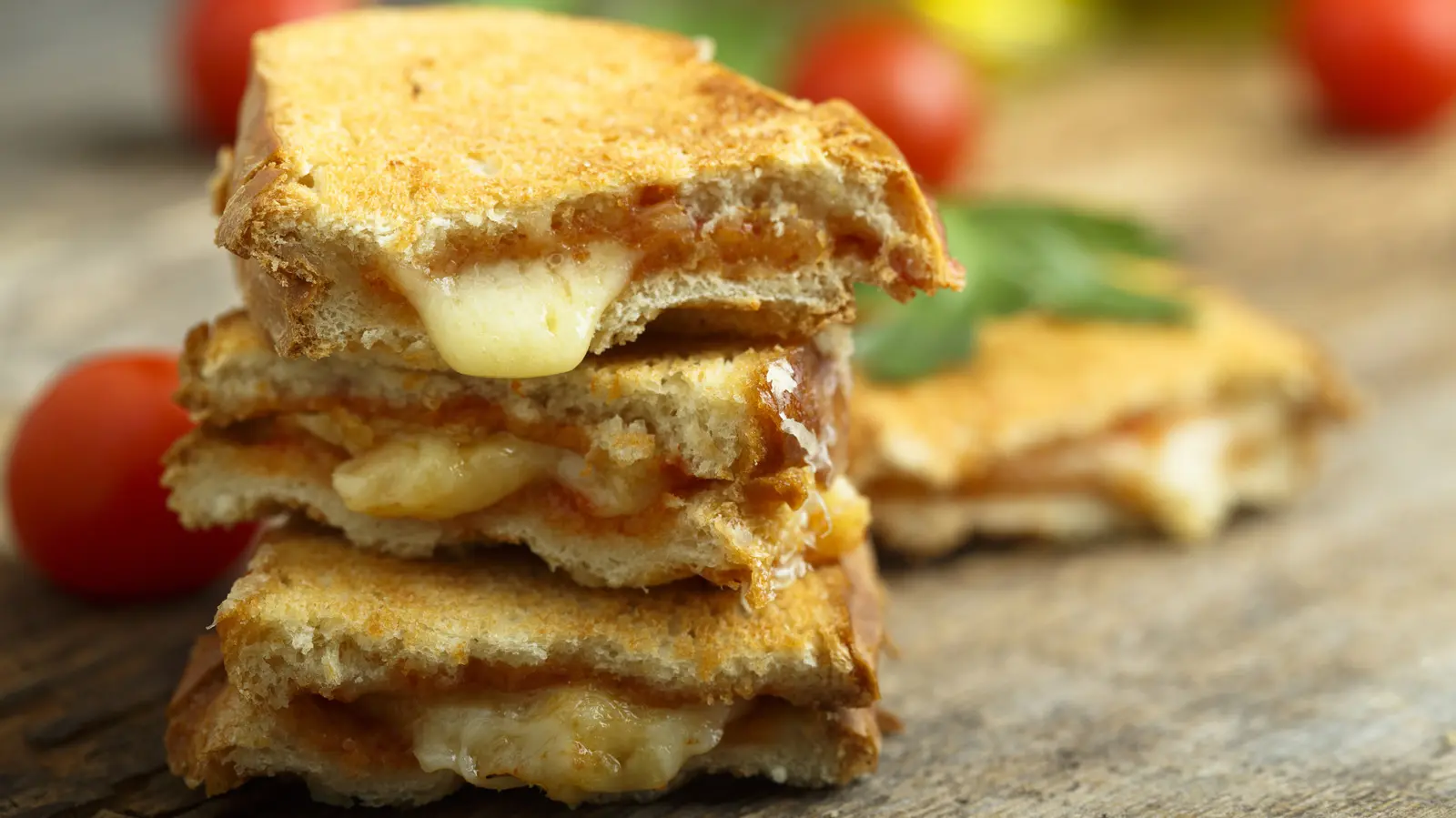 Prosciutto Elevates the Classic Grilled Cheese Sandwich
 Costco Frozen Shrimp Rivals Steakhouse Appetizers
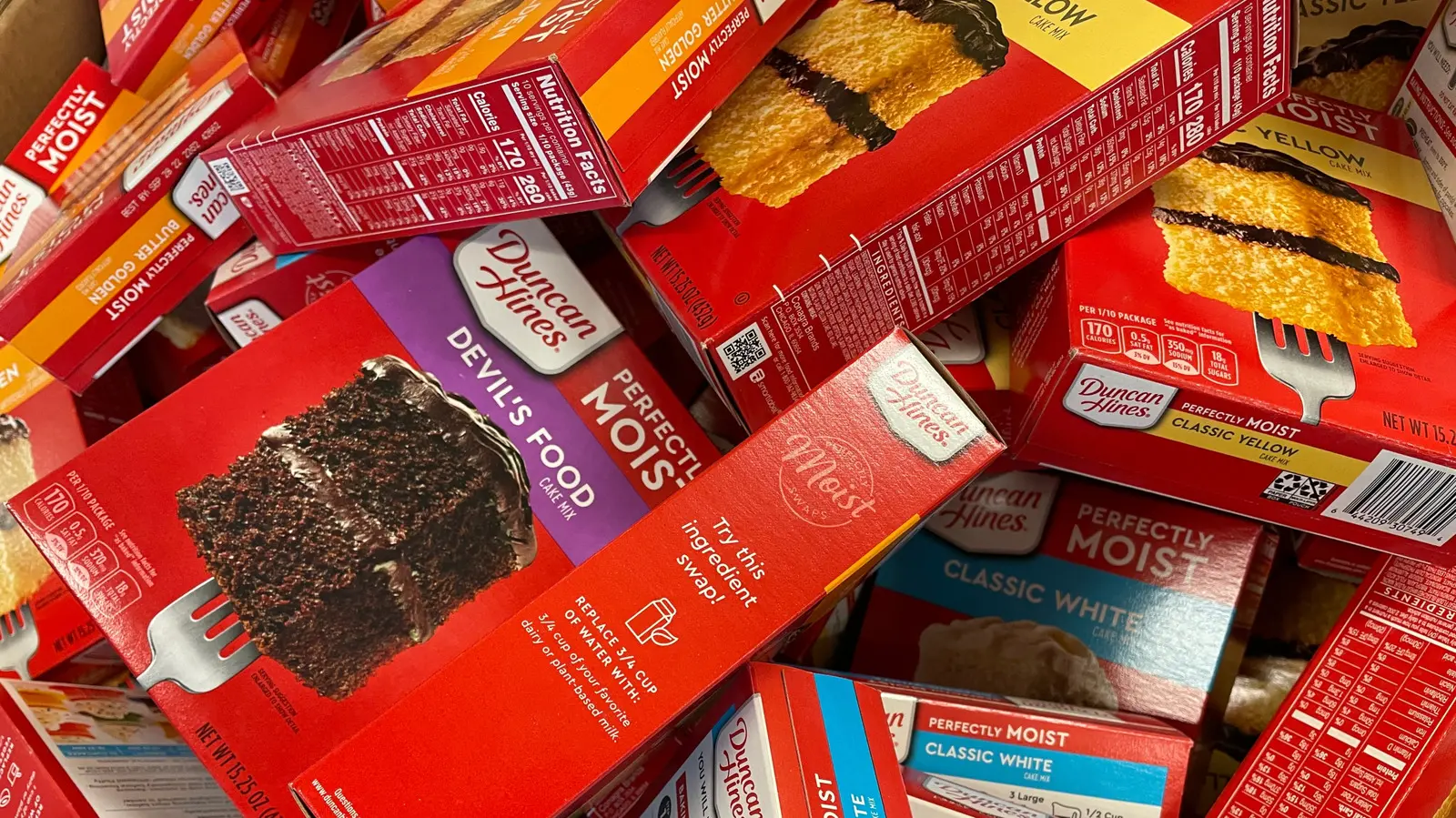 Skip Store‑Shelf German Chocolate for This Rich Duncan Hines Cake Mix
 Severed Sun: A Blood-Red Bourbon Halloween Cocktail
Durian famously divides food enthusiasts globally due to its polarizing sensory profile. The fruit features a custard-like interior wrapped in a spiky green husk, releasing volatile sulfur compounds that frequently draw comparisons to raw sewage, gym socks, and decaying garbage. Despite these harsh olfactory characteristics, millions of consumers across Southeast Asia embrace the fruit for its rich, sweet flavor.
Can Durian Ever Overcome Its Stinky Reputation?
Professional kitchens demand strict sensory control to maintain pleasant dining environments for patrons and staff members alike. Pungent items require specialized ventilation systems or complete exclusion to prevent overpowering the entire workspace. Flay’s refusal highlights how strong odors can disrupt standard cooking operations, particularly when dealing with ingredients that carry such aggressive aromatic footprints.
Culinary innovation often involves experimenting with unfamiliar textures and bold flavors from different global traditions. However, practical kitchen management dictates that certain sensory boundaries remain intact. Even adventurous chefs must weigh the experiential reward of a dish against the severe olfactory disruption caused during the cooking process.
Public perception of the fruit remains deeply split between devoted fans and horrified newcomers. Public transit systems and hotels in several Asian nations explicitly ban the item due to its lingering odor. Unless agricultural scientists develop odorless varieties, this divisive delicacy will likely stay off mainstream Western menus for the foreseeable future.
Frequently Asked Questions
What makes durian smell so bad? The fruit contains distinct volatile sulfur compounds that mimic the odors of decaying matter and chemical waste. These compounds release rapidly once the thick outer husk is cracked open.
Where is durian most popular? Durian is widely consumed and celebrated throughout various countries in Southeast Asia, where it is often featured in both savory dishes and sweet desserts.
Content written by [email protected] (Macy Sandel) for fancy-meals.com editorial team, AI-assisted.