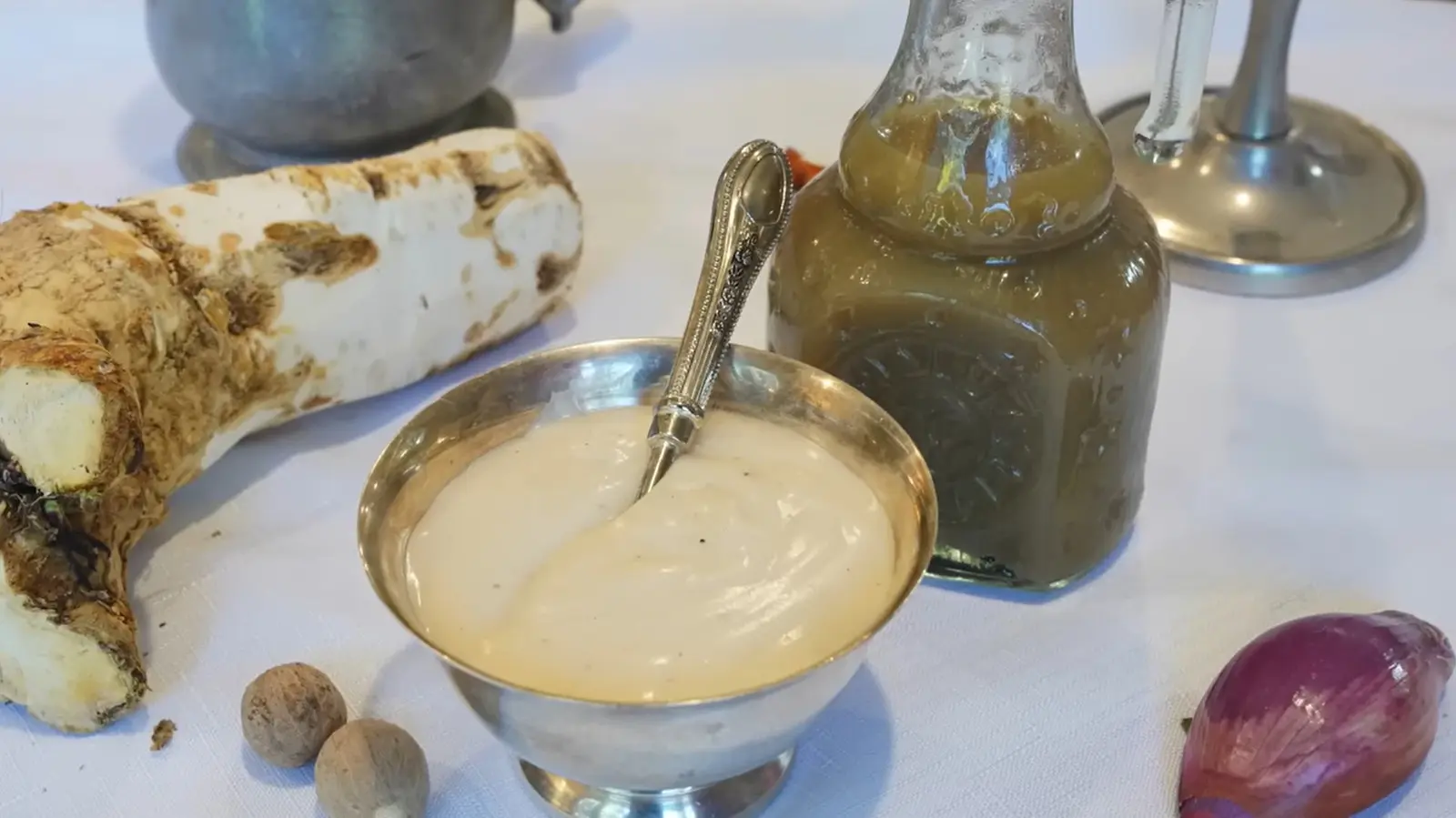
White Ketchup: The 18th‑Century Sauce That Predates Tomatoes
From Fish Sauce to Family Favorite
In the early 1700s, English taverns served a pale, tangy sauce called white ketchup. Unlike today’s tomato‑laden staple, this early condiment was made from fermented fish, anchovies, and spices, and it traveled across the Atlantic to colonial America. It was a common table offering for meat pies, boiled potatoes, and even sweet desserts, proving its versatility long before the red version emerged.
Latest news
 Costco's Frozen Dumpling Lineup, Ranked From Least To Most Tasty
 Best stainless-steel frying pans 2026: expert-tested picks for searing, eggs and daily cooking
 Trader Joe’s First‑Time Shopper Guide: Must‑Try Items
 Panda Express vs P.F. Chang's: Which Orange Chicken Is Healthier?
White ketchup originated as a preservation method. Fishermen would blend salted anchovies with vinegar, sugar, and a blend of spices such as cloves, cinnamon, and ginger, then let the mixture ferment for weeks. The resulting sauce was smooth, slightly sweet, and had a faint umami bite. Its pale color came from the lack of tomatoes and the use of clarified broth. By the mid‑18th century, printed cookbooks in Britain and the American colonies listed white ketchup alongside mustard and horseradish, recommending it as a „universal condiment” for both savory and sweet dishes.
The recipe spread quickly because it required inexpensive, shelf‑stable ingredients. Colonial households prized it for its ability to mask the flavor of poorly salted meat and to add depth to simple fare. „We used white ketchup on everything from boiled ham to apple tarts,” wrote a New England diarist in 1763. Its popularity was bolstered by the rise of trade routes that delivered anchovies from the Mediterranean to London’s markets. Merchants packaged the sauce in glass bottles, labeling it simply „Ketchup” – a term derived from the Malay word „kecap,” meaning fish sauce.
Why Did White Ketchup Fade Away?
As the 19th century progressed, tomatoes began to appear in American kitchens. The bright red fruit offered a cheaper, locally grown base for sauces, and by the 1850s, tomato ketchup started to eclipse its white predecessor. Yet, some regional cookbooks continued to feature the original recipe, especially in coastal towns where fish remained abundant. The shift was also driven by changing tastes; the sweeter, milder tomato version appealed to a growing middle class seeking less pungent flavors.
The decline of white ketchup was not sudden. It coincided with advances in food preservation, the industrialization of tomato canning, and aggressive marketing by companies like Heinz, which promoted a uniform, bright‑red product. Consumers began to associate „ketchup” with the tomato base, relegating the white version to historical footnotes. Moreover, the rise of refrigeration reduced the need for heavily fermented sauces, making the labor‑intensive preparation of white ketchup less attractive.
Today, culinary historians and niche chefs are reviving the old formula as a novelty garnish. Small‑batch producers experiment with the traditional blend, adding modern twists like smoked paprika or citrus zest. These efforts aim to reconnect diners with a forgotten taste that once graced the tables of both aristocrats and common folk.
What Can Modern Kitchens Learn From White Ketchup?
The resurgence of white ketchup highlights a broader trend: rediscovering heritage foods to diversify contemporary palettes. Its umami richness offers a plant‑free alternative to modern sauces, and its long shelf life provides a model for sustainable cooking. Chefs who incorporate it into sauces, marinades, or dressings can offer diners a glimpse into culinary history while delivering complex flavor without relying on tomatoes.
As food culture continues to embrace nostalgia and authenticity, white ketchup may find a permanent place on specialty menus, reminding us that the ketchup we know today is just one chapter in a centuries‑long story of flavor innovation.
Frequently Asked Questions
What ingredients defined the original white ketchup? It combined fermented anchovies, vinegar, sugar, and spices such as cloves, cinnamon, and ginger, creating a pale, tangy sauce without any tomato.
Is white ketchup safe to make at home today? Yes, provided the fish is fresh and the fermentation process follows proper hygiene guidelines; many artisanal producers publish tested recipes.
Can white ketchup replace tomato ketchup in everyday meals? While it offers a different flavor profile—more savory and less sweet—it can serve as a versatile condiment for meats, vegetables, and even desserts, though it may not satisfy those seeking the classic tomato taste.
Content written by [email protected] (Mahalia Cooks) for fancy-meals.com editorial team, AI-assisted.