What Makes St. Louis-Style Ribs Different From Baby Back?
Louis-style for competitions due to their uniform shape and ability to develop
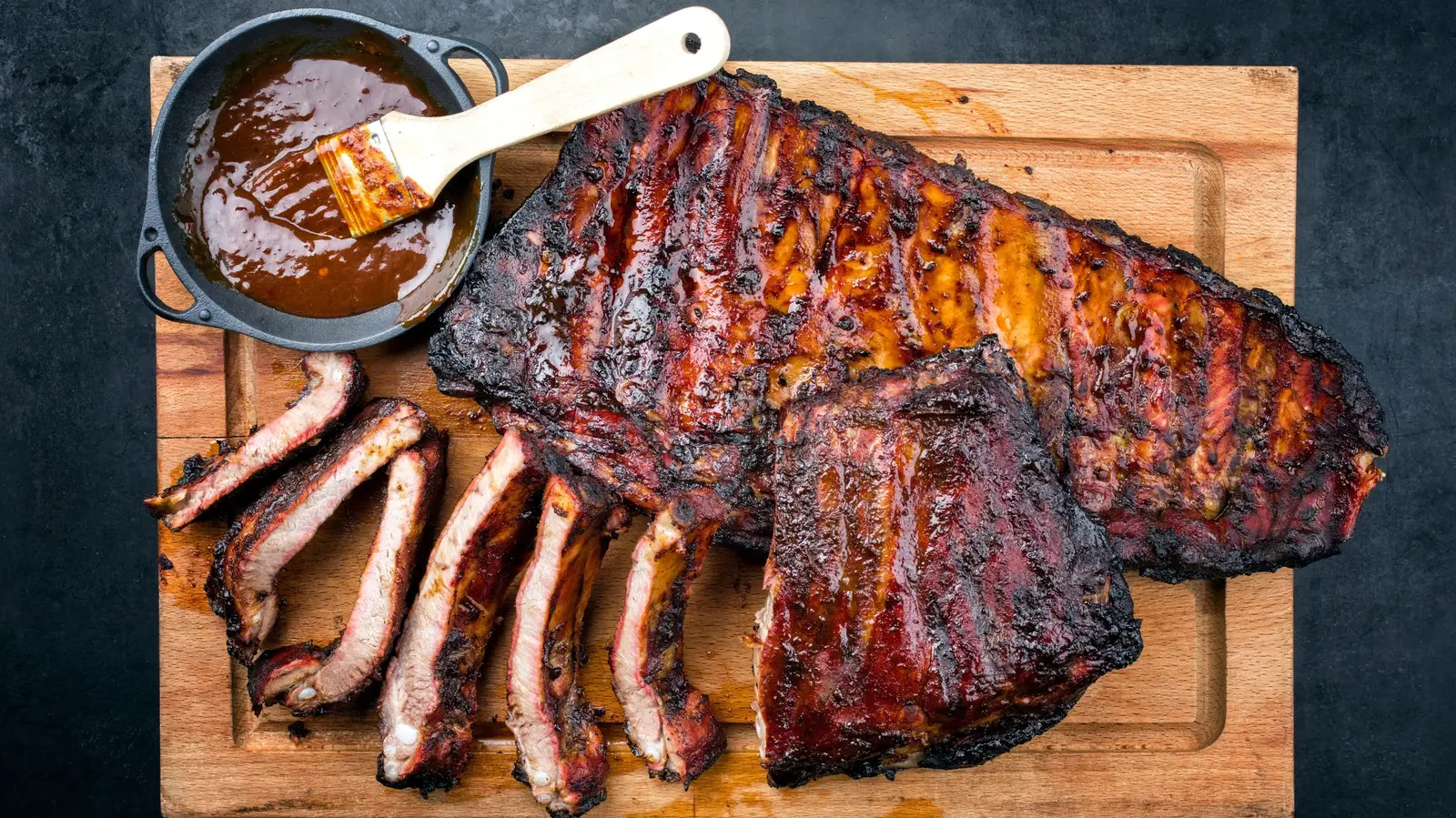
St. Louis-style ribs and baby back ribs are two popular cuts of pork often confused by barbecue lovers, but they come from different parts of the pig and offer distinct textures and flavors. St. Louis-style ribs are cut from the spare ribs, trimmed into a rectangular shape, while baby back ribs come from the loin area near the spine, making them shorter and more curved. This difference affects cooking time, tenderness, and how they hold up to sauce and rubs. The St. Louis cut is flatter and meatier with more fat and connective tissue, which breaks down slowly during low-and-slow cooking, resulting in rich, juicy bites. Baby backs are leaner, cook faster, and tend to be more tender straight off the grill, though they can dry out if overcooked. Pitmasters often choose St.
Latest news
 Costco's Frozen Dumpling Lineup, Ranked From Least To Most Tasty
 Best stainless-steel frying pans 2026: expert-tested picks for searing, eggs and daily cooking
 Trader Joe’s First‑Time Shopper Guide: Must‑Try Items
 Panda Express vs P.F. Chang's: Which Orange Chicken Is Healthier?
Louis-style for competitions due to their uniform shape and ability to develop a strong bark, while baby backs are favored for quicker weeknight meals. How Trim and Shape Affect the Cooking Process The trimming process for St. Louis-style ribs removes the sternum, cartilage, and rib tips to create an even rack that cooks uniformly. This uniformity helps judges in barbecue competitions assess appearance and consistency. Baby backs, by contrast, are naturally tapered and require less trimming but can be trickier to cook evenly due to their varying thickness. The fat marbling in St. Louis-style ribs also contributes to a deeper flavor profile when smoked for several hours. Why Do Some Pitmasters Prefer One Cut Over the Other? Many competition teams opt for St. Louis-style ribs because they present well on the judging table and hold up better under multiple layers of rub and sauce without falling apart.
Baby back ribs, while prized for their tenderness
Baby back ribs, while prized for their tenderness, can become too soft and lose structural integrity if cooked too long. Home cooks often gravitate toward baby backs for their quicker cook time and familiar shape, especially when grilling over direct heat. Frequently Asked Questions Are St. Louis-style ribs fattier than baby back ribs? Yes, St. Louis-style ribs typically have more fat and connective tissue, which contributes to richer flavor and juiciness when cooked properly, while baby backs are leaner and cook faster. Can you use the same rub and sauce on both types of ribs? Absolutely, the same rubs and sauces work well on both cuts, though cooking time and temperature should be adjusted based on the thickness and fat content of each rib style. Which cut is better for beginners? Baby back ribs are often easier for beginners due to their shorter cook time and natural tenderness, but St.
Louis-style ribs offer more forgiveness in long smokes and are great for learning competition techniques.
Content written by [email protected] (Sean Bell) for fancy-meals.com editorial team, AI-assisted.