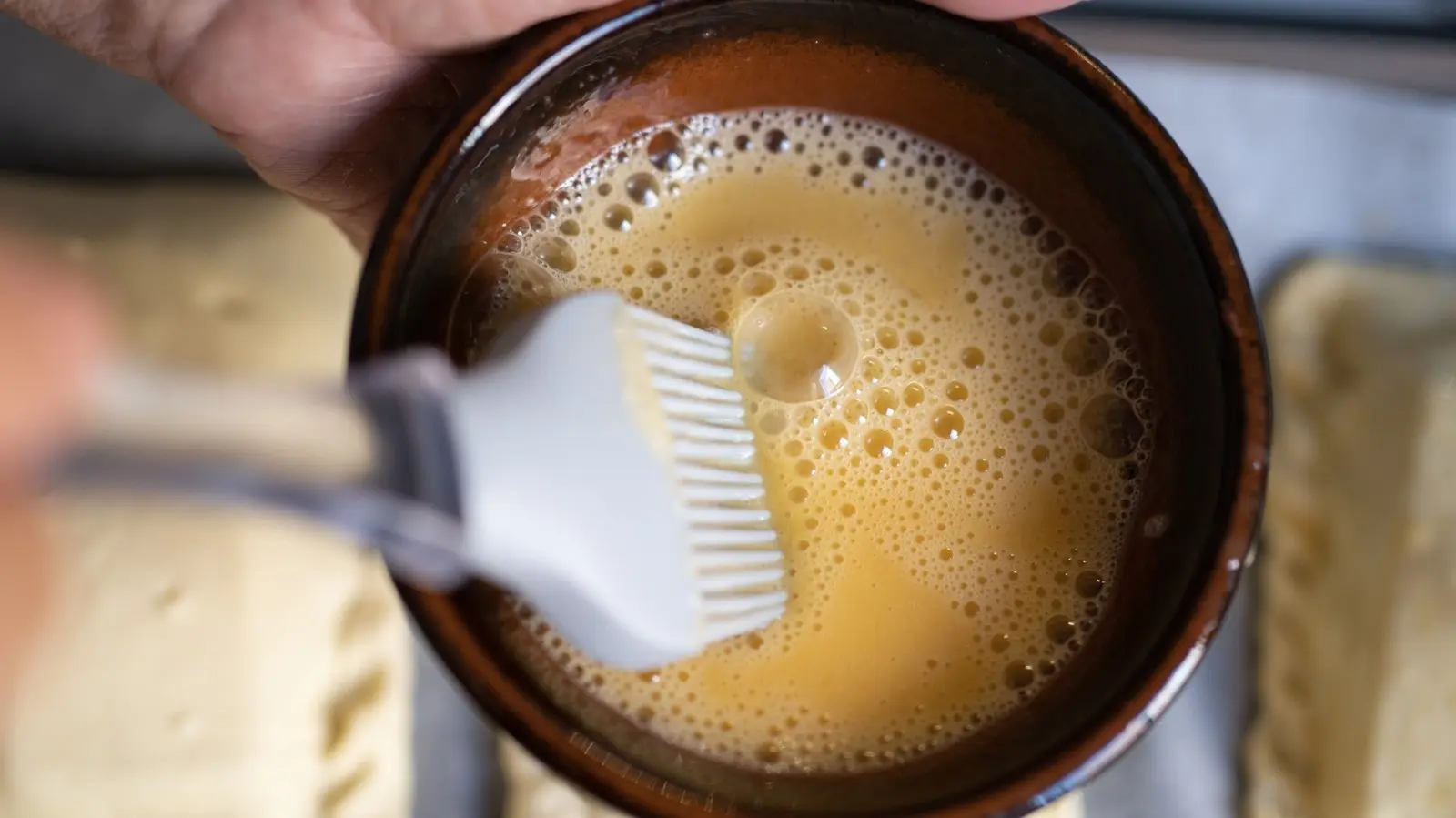
What Is The Best Egg Wash For Puff Pastry?
How Egg Wash Affects Browning and Texture
Puff pastry achieves its signature golden sheen and rich appearance through the application of an egg wash before baking, a technique widely used by both home bakers and professionals. This simple step enhances visual appeal and contributes to a more appetizing finish, making pastries look bakery-fresh and inviting. The practice dates back to traditional European pastry-making, where egg-based glazes were standard for enriching dough surfaces.
Latest news
 Costco's Frozen Dumpling Lineup, Ranked From Least To Most Tasty
 Best stainless-steel frying pans 2026: expert-tested picks for searing, eggs and daily cooking
 Trader Joe’s First‑Time Shopper Guide: Must‑Try Items
 Panda Express vs P.F. Chang's: Which Orange Chicken Is Healthier?
Different variations of egg wash exist, each producing distinct results based on the ingredients used. A classic wash made with whole egg and a splash of water or milk yields a balanced shine and color. Using only egg white creates a clearer, crisper glaze ideal for sealing layers, while egg yolk alone produces a deeper, richer gold. Some bakers add a pinch of salt or sugar to influence browning and texture. The choice depends on the desired outcome—whether prioritizing color, shine, or adhesion of toppings like seeds or sugar.
What Happens If You Skip the Egg Wash?
The proteins and fats in egg wash promote Maillard browning during baking, which develops the characteristic golden hue. Egg yolks contain more fat and emulsifiers, leading to faster and darker coloration compared to whites. When applied thinly and evenly, the wash helps seal the pastry surface, reducing moisture loss and improving flakiness. Over-application, however, can lead to sogginess or uneven baking, particularly in delicate puff pastry layers. Timing matters too—applying the wash just before baking ensures optimal results without compromising rise.
Without an egg wash, puff pastry tends to bake to a pale, dull finish lacking the visual appeal that signals doneness and richness. While the texture and flavor remain largely unaffected, the absence of shine can make the product look underbaked or unfinished, even when fully cooked. In professional settings, appearance plays a key role in consumer perception, so skipping the wash may impact perceived quality. For home bakers seeking that bakery-quality look, the egg wash remains a small but impactful step worth including.
Frequently Asked Questions
Can I use milk or cream instead of egg for a wash? Yes, milk or cream can be used alone for a lighter shine and softer browning, though they lack the binding and glossing properties of egg. They work well for a subtle finish but won’t achieve the same deep gold.
Is it safe to use raw egg wash on baked goods? Yes, the egg wash is fully cooked during baking, reaching temperatures that eliminate any food safety concerns. As long as the pastry is baked thoroughly, there is no risk from consuming the egg-based glaze.
Content written by [email protected] (Abbe Lewis) for fancy-meals.com editorial team, AI-assisted.