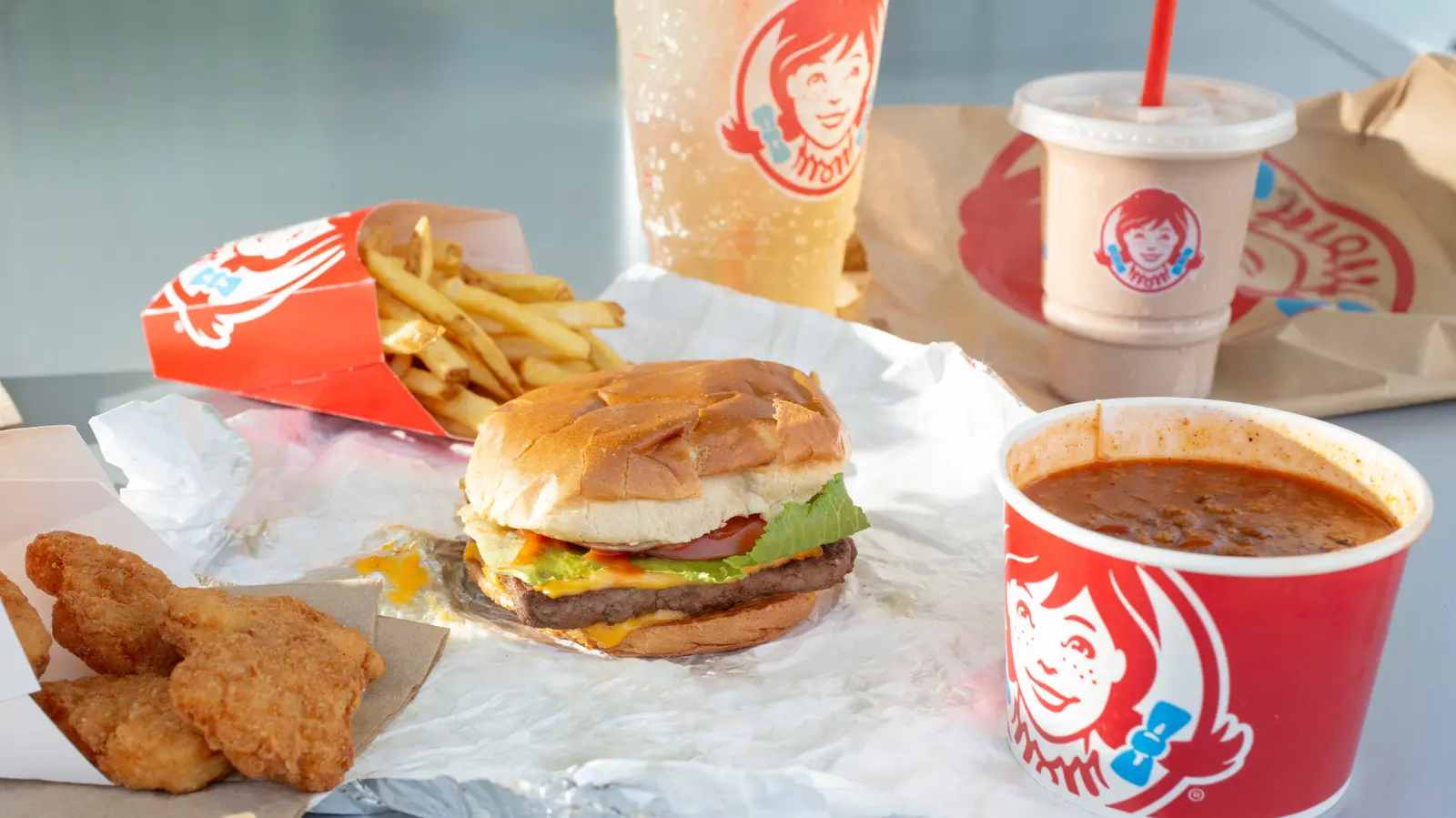
Wendy’s Brief Sister‑Brand Relationship With a Little‑Known Fast‑Food Chain Ends After Three Years
The Experiment in Shared Supply Chains
In the early 1990s, Wendy’s briefly shared corporate ownership with a modest regional burger chain that many diners still overlook today. The partnership lasted only three years, from 1992 to 1995, before the two brands went their separate ways. During that short span, both chains operated under the same holding company, creating a rare glimpse into how larger conglomerates experiment with brand synergies in the fast‑food sector.
Latest news
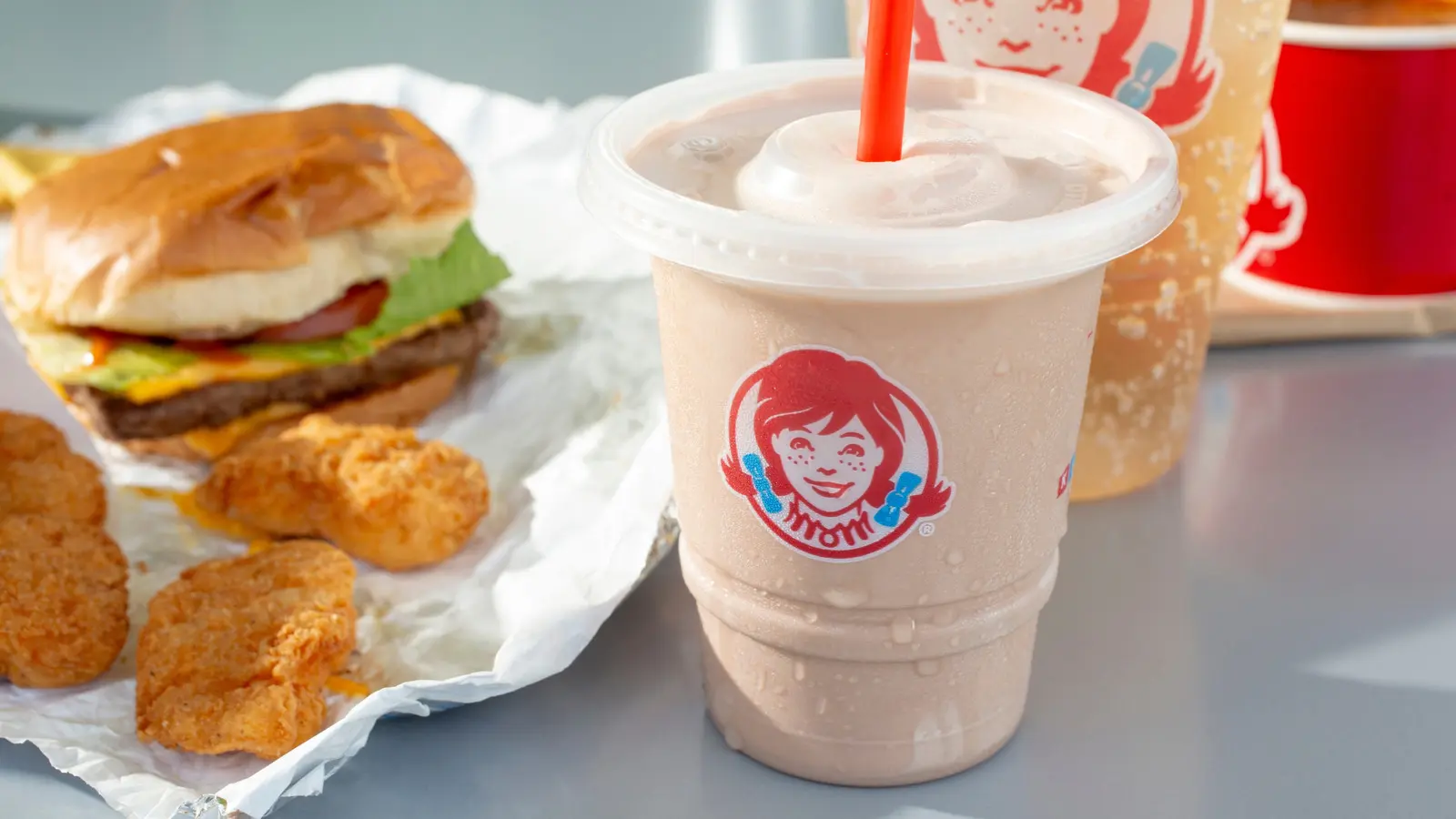 Wendy's and a cult-favorite burger chain shared corporate ownership for three years
 Eggnog Snickerdoodles: A Festive Holiday Cookie Recipe
 America's Top Chefs Share Their Favorite Dishes of 2026
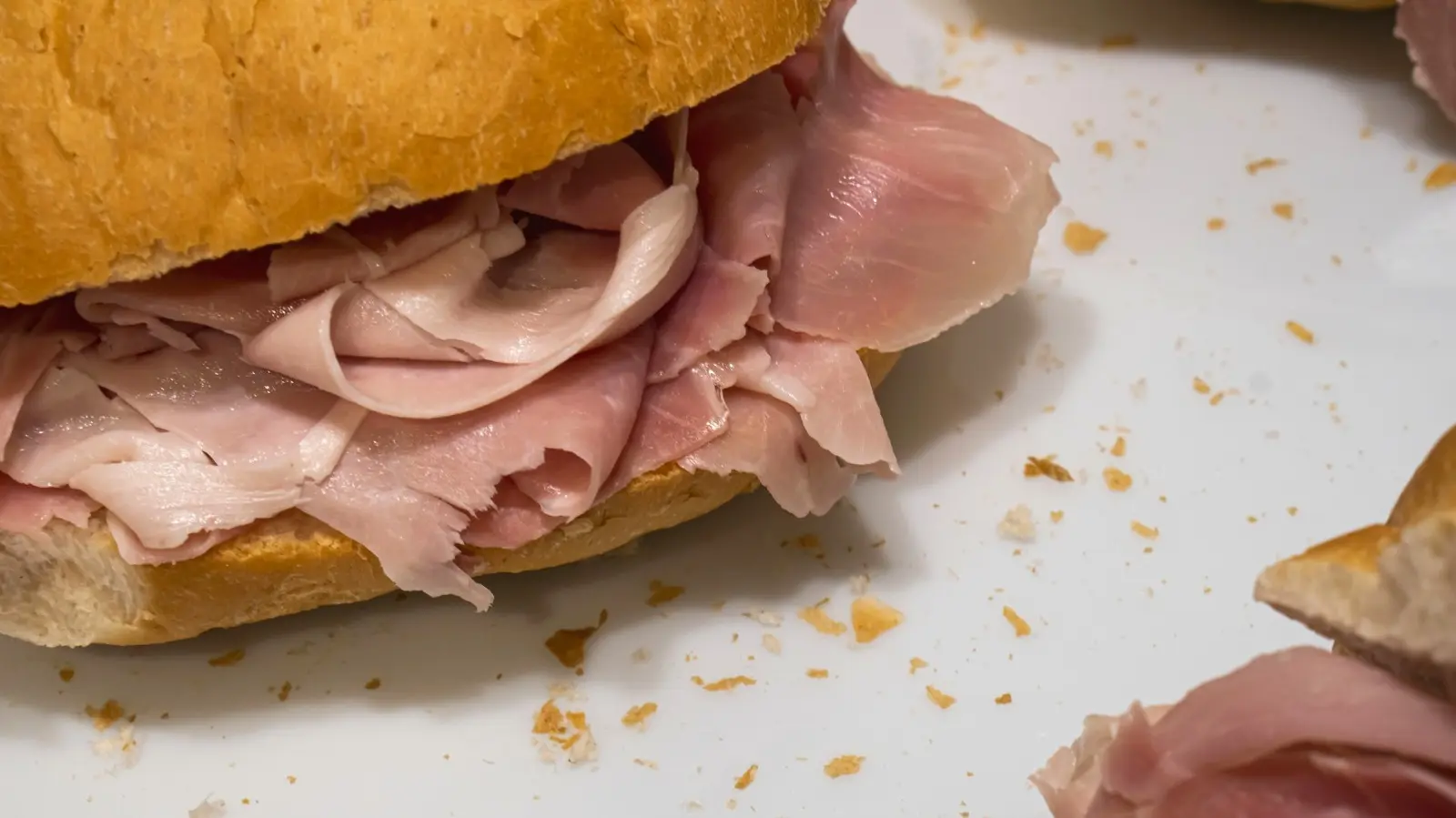 Pittsburgh's Chipped Ham Sandwich Defies Deli Conventions
The connection began when a private equity firm acquired a controlling stake in the smaller chain, hoping to leverage Wendy’s nationwide distribution network to boost the under‑the‑radar brand’s growth. Executives believed that shared supply chains, joint marketing, and cross‑training could reduce costs and expand market reach. However, cultural clashes and differing strategic priorities soon emerged. Wendy’s focused on rapid expansion and standardized menus, while the partner chain prized local flavor variations and a slower, community‑centric rollout. By 1995, the holding company decided to spin off the lesser‑known brand, ending the three‑year experiment.
The joint ownership allowed both restaurants to negotiate bulk purchases of beef, potatoes, and packaging materials, theoretically lowering unit costs. Early reports indicated a modest 4 % reduction in food‑cost percentages for the smaller chain during the partnership. Yet, the savings were offset by logistical challenges; the regional chain’s kitchens required different equipment specifications, leading to costly retrofits. Former supply‑chain manager Linda Torres recalled, „We thought the economies of scale would be a win‑win, but the operational mismatches ate into any margin gains.”
Why Did the Alliance Dissolve So Quickly?
Analysts point to divergent brand identities as the primary cause. Wendy’s aggressive national advertising conflicted with the partner’s reliance on word‑of‑mouth and local sponsorships. Moreover, the smaller chain’s franchisees resisted the standardized training modules imposed by Wendy’s corporate team, fearing loss of their unique customer experience. „We valued our hometown feel,” said longtime franchise owner Mark Delgado. „When the corporate directives started to look like Wendy’s playbook, we pushed back.” The holding company ultimately concluded that the partnership hindered both brands’ growth trajectories, prompting the split.
The brief partnership left a mixed legacy. While the smaller chain never achieved the national footprint it hoped for, the experience taught both companies valuable lessons about the limits of brand consolidation. Wendy’s continued its expansion unabated, and the partner chain refocused on its niche market, maintaining a loyal regional customer base.
Frequently Asked Questions
Did the partnership improve menu offerings for either brand? Both chains experimented with limited‑time items inspired by the other’s menu, but none became permanent fixtures after the split.
What happened to the shared assets after the separation? Equipment and distribution contracts were divided; Wendy’s retained most of the bulk‑purchase agreements, while the smaller chain bought back its customized kitchen gear.
Is there any chance of a future collaboration between the two? Industry insiders say a reunion is unlikely, as both brands have solidified distinct strategies and target markets.