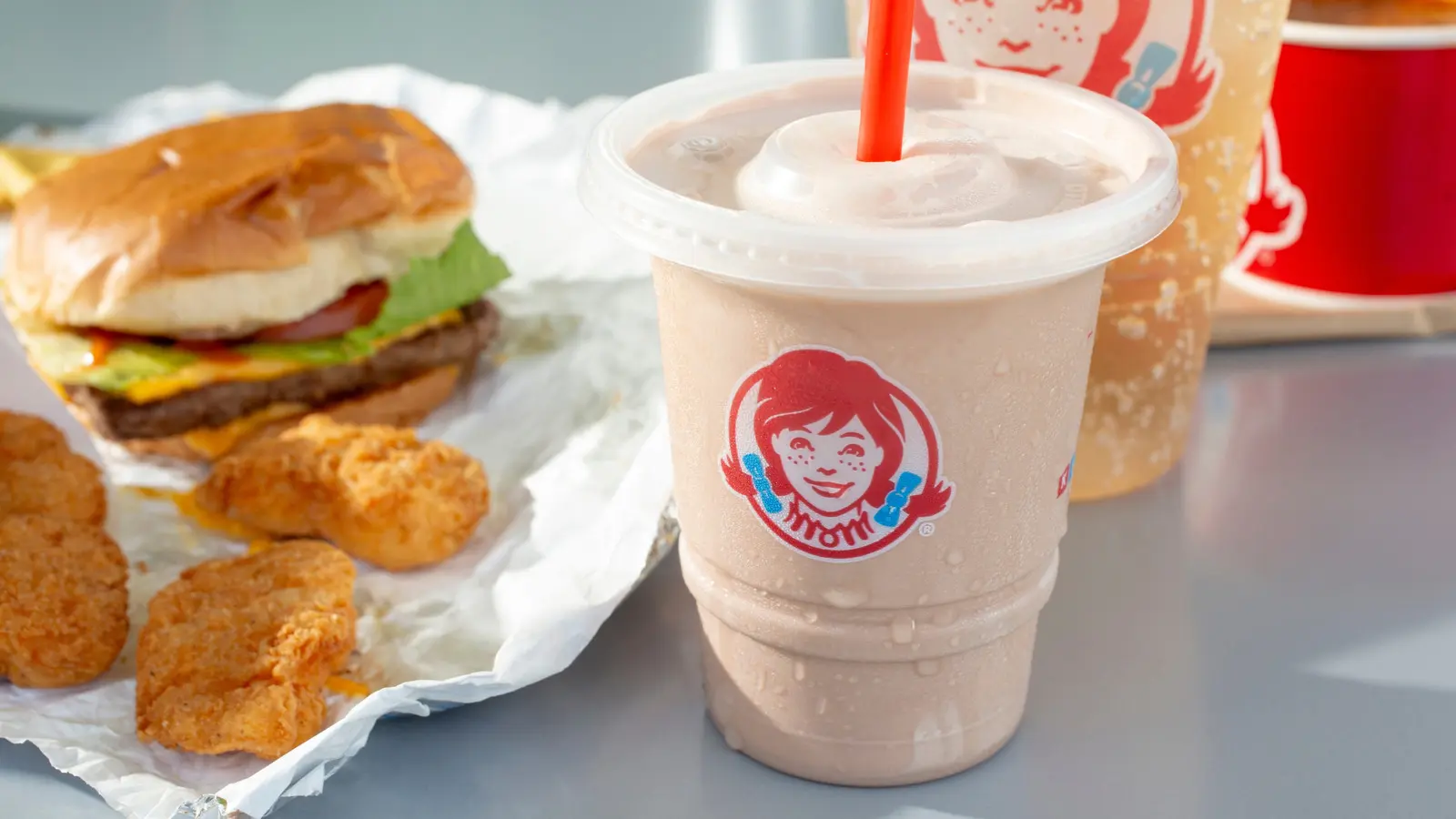
Wendy's and a cult-favorite burger chain shared corporate ownership for three years
How Two Rival Chains Became Sisters
Wendy's and a popular burger brand operated under the same corporate umbrella for three years. This unusual arrangement stemmed from a complex web of ownership deals in the fast food industry. The two chains were once sister companies before the partnership ended.
Latest news
 Eggnog Snickerdoodles: A Festive Holiday Cookie Recipe
 America's Top Chefs Share Their Favorite Dishes of 2026
 Pittsburgh's Chipped Ham Sandwich Defies Deli Conventions
 Crispy Sweet Potato Stacks: A New Way to Cook
The connection traces back to a series of business transactions. Restaurant groups frequently restructure, and ownership shifts can link unexpected brands together. In this case, the sister-chain relationship reflected a temporary corporate alignment.
The arrangement emerged from a broader pattern of consolidation in the fast food sector. Brands often change hands through mergers, acquisitions, or investment deals. For three years, Wendy's and the cult-favorite chain shared a parent company. This meant they operated as sister brands under one corporate structure.
Why Did the Sister-Chain Deal End?
Industry analysts note that such partnerships can create both synergy and friction. Shared resources and marketing budgets were part of the deal. However, competing product lines and customer bases created tension.
The partnership concluded after three years. Corporate strategy shifts and market pressures likely drove the separation. The two chains then pursued independent growth paths.
The split allowed each brand to focus on its own customer base. Wendy's continued its classic burger and chicken offerings. The cult-favorite chain maintained its distinct identity and loyal following.
Frequently Asked Questions
How long did the sister-chain arrangement last? The partnership lasted exactly three years. During this period, both brands operated under the same corporate ownership structure before the deal ended.
What caused the two chains to become sister companies? A series of ownership transactions linked the two brands under a common parent company. This created the temporary sister-chain relationship in the fast food industry.
What happened after the partnership ended? Both chains went their separate ways. Each brand resumed independent operations, focusing on its own market position and customer base.