
Vintage Menus Trace the Shifting Palette of American Dining
From Frontier Fare to Fast‑Food Classics
A trove of restaurant menus spanning 1800‑1970, recently digitized by a national museum, showcases how American food preferences transformed from frontier staples to post‑war indulgence. The collection, compiled from diners, hotels, and railcars, offers scholars a timeline of culinary trends across regions and social classes.
Latest news
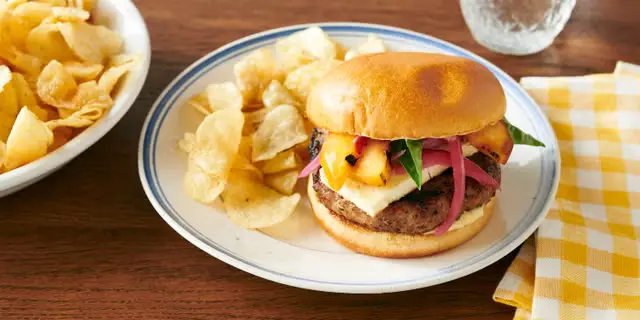 Savory Grill Alternatives: 14 Burgers That Skip Beef
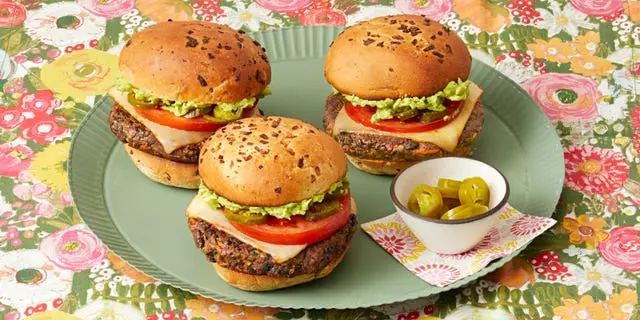 Chipotle Black Bean Veggie Burgers
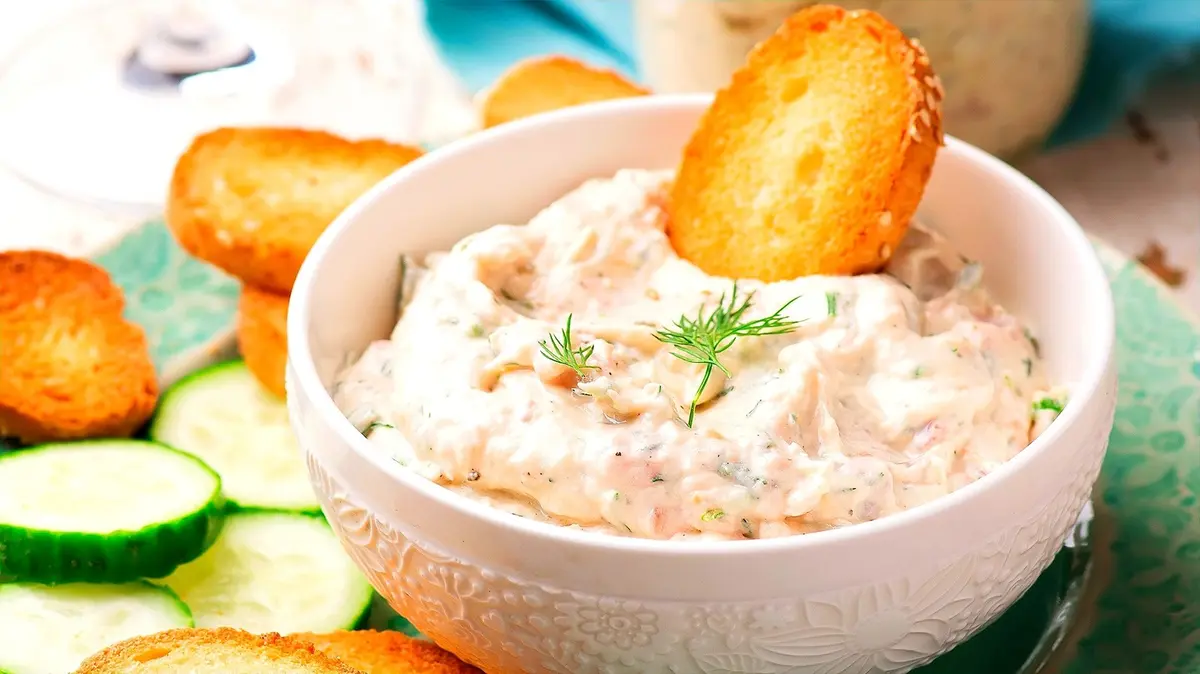 Smoked Salmon Dip Delights
 Crispy Japanese Popcorn Shrimp Delight
Researchers say the menus reveal more than menu items; they expose economic cycles, immigration waves, and technological advances that reshaped meals. Early listings feature salt pork, cornmeal mush, and tea, reflecting scarcity and self‑reliance. Mid‑century pages introduce shrimp cocktails, casseroles, and soda fountains, signaling rising prosperity and mass production. The data also highlight the rise of regional specialties as migrants brought flavors from Italy, China, and Mexico.
In the 1820s, menus listed simple fare: boiled beans, hard‑tack, and roasted game. Prices were listed in shillings, underscoring a cash‑poor economy. By the 1900s, dishes like oyster Rockefeller and Waldorf salad appeared, mirroring urbanization and the growing middle class. The 1950s saw the birth of drive‑in culture; menus began to feature burgers, milkshakes, and fries, all under a dollar. Historians note that the shift toward convenience foods coincided with suburban expansion and automobile ownership. The later 1960s menus introduced health‑conscious items such as salads with vinaigrette, hinting at the early wellness movement.
What Do These Menus Reveal About Cultural Change?
The menus act as cultural barometers, reflecting the nation’s evolving identity. The inclusion of dishes like chicken‑and‑dumplings in the 1930s points to Southern influence spreading northward. The appearance of sushi rolls in the 1970s signals the first wave of Asian culinary acceptance. Moreover, the language used—„Ladies’ Choice” versus „Family Style”—mirrors changing gender roles and family dynamics. Economists argue that price fluctuations on these menus trace inflation trends and consumer confidence, while sociologists see the rise of „value meals” as an early indicator of the gig economy’s demand for affordable, quick meals.
The digitized archive offers educators a vivid tool for teaching American history through food. Restaurateurs can draw inspiration from forgotten recipes, while chefs may reinterpret classic dishes for modern palates. As the collection expands, it promises deeper insight into how taste, technology, and tradition intertwine.
Frequently Asked Questions
How were the menus preserved? Curators photographed each page, then used optical character recognition to create searchable text files, ensuring both visual and data fidelity.
What regions are most represented? The archive includes menus from the Northeast, Midwest, South, and West, with a notable concentration of coastal ports where international ingredients first arrived.
Can the public access the collection? Yes, the museum’s website hosts an interactive portal where users can browse, zoom, and download menu excerpts for research or personal interest.
Content written by Victoria Lane for fancy-meals.com editorial team, AI-assisted.