
This Small Bartending Tool Can Make Cheap Scotch Taste Barrel-Aged
How Does Oak Exposure Change Whisky Flavor?
A simple bartending tool is gaining attention for its ability to enhance inexpensive Scotch whisky, giving it the depth and character typically associated with longer-aged spirits. By introducing controlled oak influence quickly, the device allows budget-friendly bottles to mimic the complexity of premium expressions without requiring years of maturation. This innovation appeals to home enthusiasts and professionals seeking cost-effective ways to elevate everyday whiskies.
Latest news
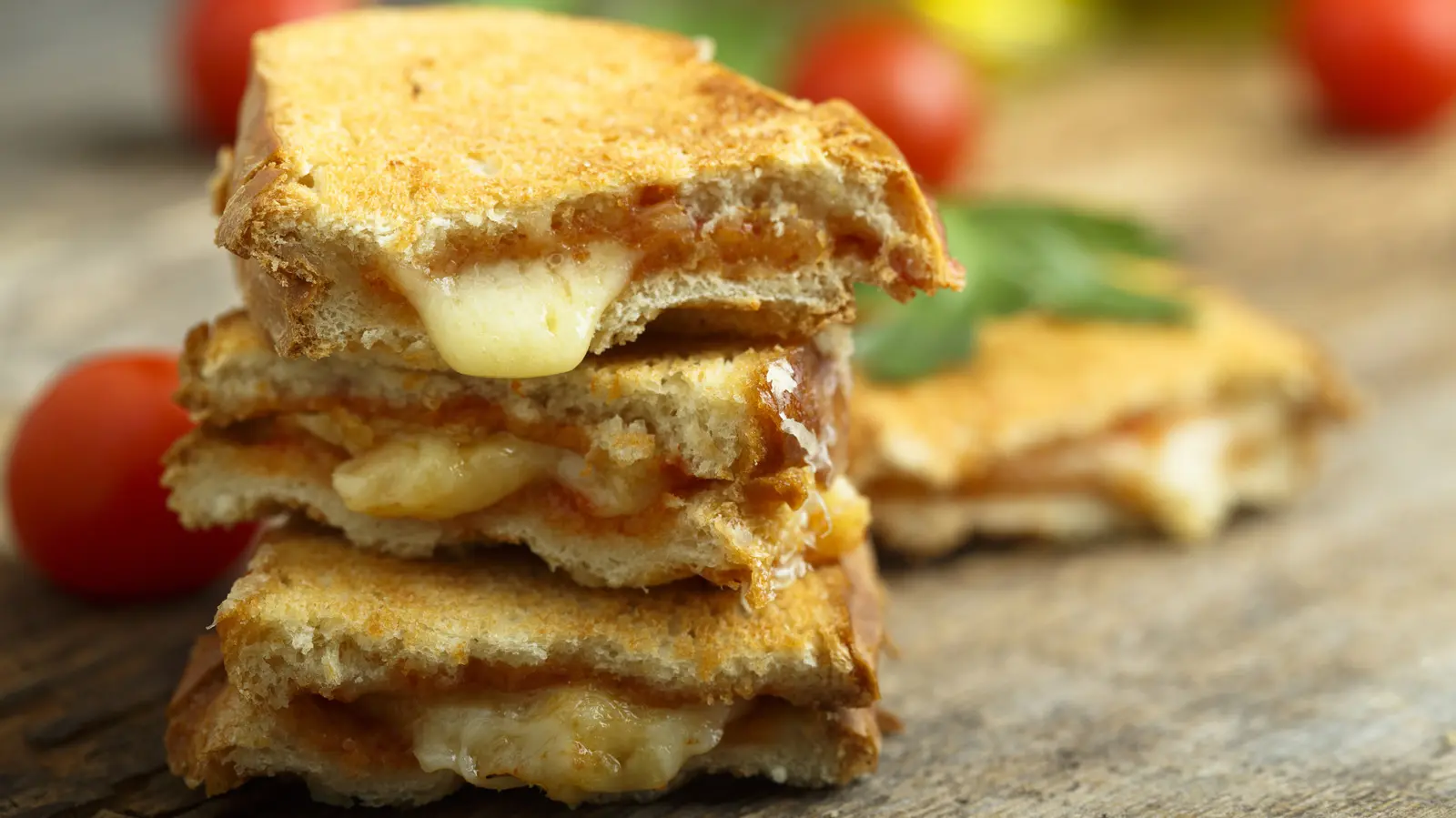 Prosciutto Elevates the Classic Grilled Cheese Sandwich
 Costco Frozen Shrimp Rivals Steakhouse Appetizers
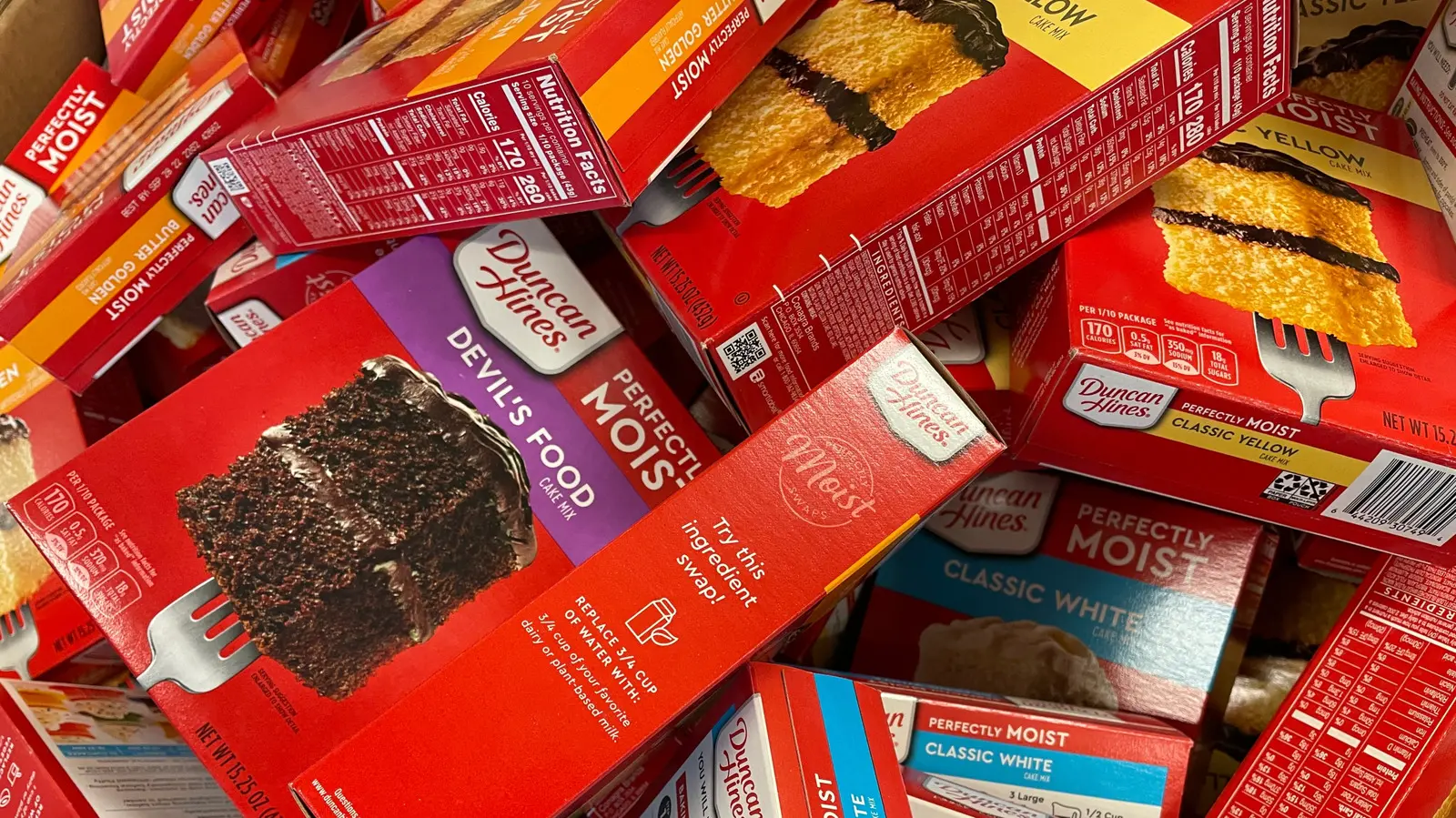 Skip Store‑Shelf German Chocolate for This Rich Duncan Hines Cake Mix
 Severed Sun: A Blood-Red Bourbon Halloween Cocktail
The tool works by exposing whisky to small amounts of toasted or charred oak in a sealed environment, accelerating the extraction of vanilla, spice, and tannin notes that develop naturally during barrel aging. Unlike traditional aging, which depends on time and storage conditions, this method delivers noticeable flavor shifts in minutes or hours. Proponents argue it doesn’t fake age but rather replicates key chemical transformations that occur in casks, making young whisky taste rounder and more sophisticated.
Can This Technique Replace Traditional Aging?
When whisky interacts with oak, compounds like lignin and lactones break down, contributing to flavors such as caramel, coconut, and clove. The tool increases surface contact between spirit and wood, speeding up this process. While it won’t replicate the full profile of a 12-year-old Scotch, it can soften harsh edges and add warmth to lighter or younger blends. Bartenders note that results vary based on the whisky’s base character and the type of oak used, with ex-bourbon cask chips often yielding sweeter notes and European oak adding dryness and spice.
Experts caution that while the method enhances drinkability, it cannot replace the slow oxidation and ester formation that define long-aged whisky. However, for mixing in cocktails or enjoying a more nuanced dram without the premium price, it offers a practical shortcut. Some distilleries have experimented with similar rapid maturation techniques, though skepticism remains about balancing speed with authenticity. Ultimately, the tool serves as a bridge—letting drinkers explore depth in affordable spirits while appreciating that time remains irreplaceable for true complexity.
Does this tool make cheap Scotch taste like expensive aged whisky? It adds oak-derived flavors that mimic some aspects of barrel aging, making young whisky richer and smoother, but it doesn’t replicate the full depth developed over years.
Frequently Asked Questions
Is the process safe for home use? Yes, when used as directed with food-grade oak materials and proper sanitation, the method poses no health risks and is commonly used in experimental mixology.
Will using this tool affect the whisky’s color? Yes, exposure to oak often deepens the hue, giving lighter whiskies a richer amber or gold appearance similar to older expressions.
Content written by [email protected] (JC Gonzalez) for fancy-meals.com editorial team, AI-assisted.