The Ultimate Guide to the Best BBQ Joints in Every State
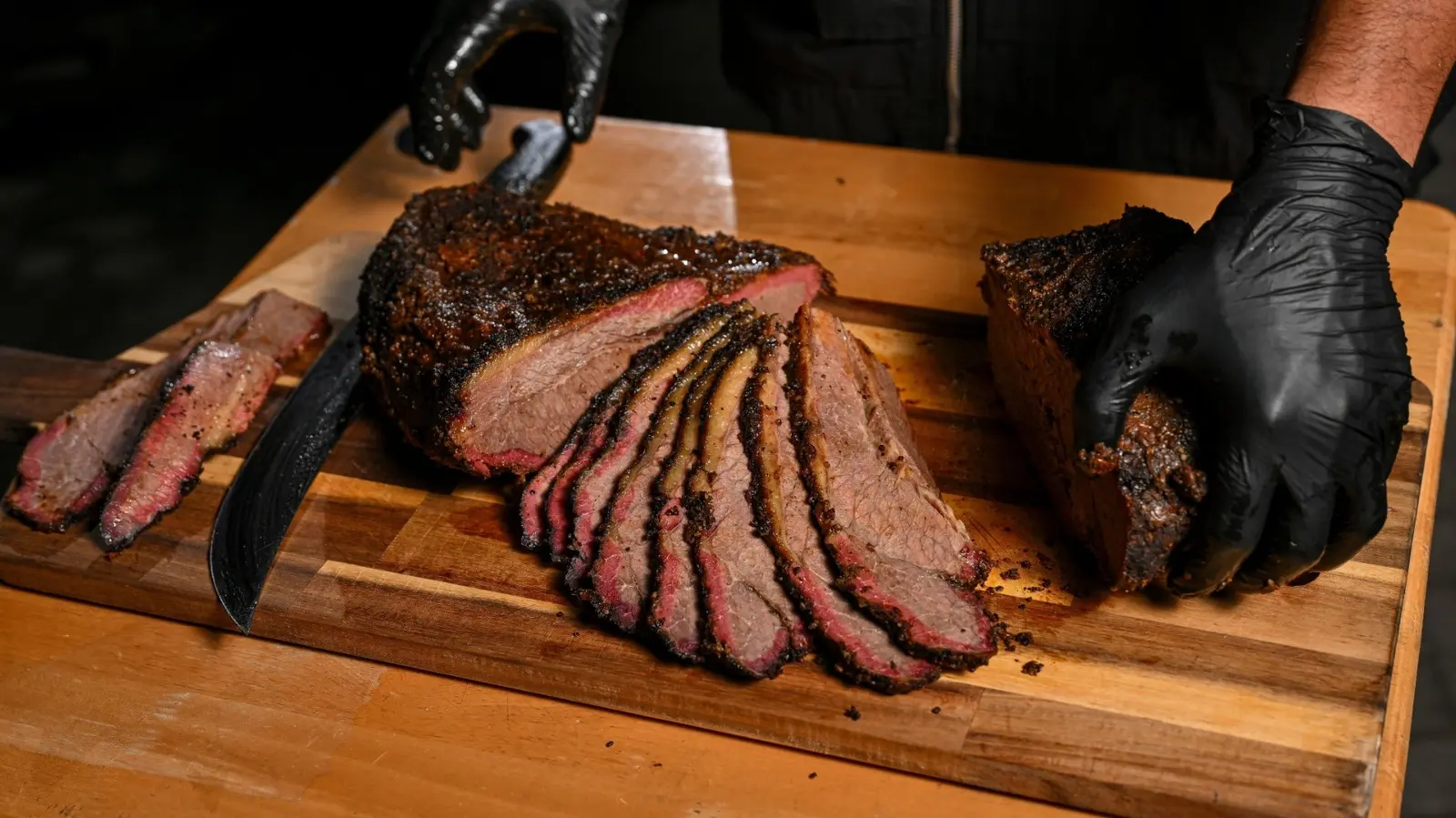
Texas Triumph: The Brisket Capital
Barbecue lovers now have a clear road map to the top smoke‑houses across America. From the beef‑laden pits of Texas to the vinegar‑kissed pork racks of the Carolinas, each state boasts a flagship spot where locals and travelers alike gather for authentic, slow‑cooked flavor. The list highlights restaurants that have earned regional acclaim, drawing crowds with signature sauces, wood‑smoked techniques, and a commitment to tradition.
Latest news
 What Likely Appeared on the First Thanksgiving Menu in 1621
 Anthony Bourdain’s Most Unforgettable Meals on „No Reservations”
 Mastering the Art of Perfect Pie Baking
 Chocolate Peppermint Whoopie Pies: Holiday Treats Made Easy With Boxed Mix
Barbecue has evolved into a mosaic of regional styles, each reflecting local tastes and history. Texas favors brisket cooked low and slow over oak, while Kansas City blends sweet and tangy sauces over a variety of meats. In the South, Carolina pits lean on mustard‑based or vinegar sauces, and the Midwest celebrates pork ribs with a smoky rub. These establishments have risen to prominence by mastering their niche, often passing recipes down generations and earning accolades from food critics and culinary competitions.
In Austin, a modest joint has become the pilgrimage site for brisket enthusiasts. Owner Miguel Alvarez swears by a 24‑hour smoke cycle using post‑oak wood, resulting in a melt‑in‑your‑mouth texture that critics describe as „silky.” Sales data shows the restaurant serving over 1,200 pounds of brisket weekly, a testament to its reputation. Patrons cite the balance of smoky depth and a subtle pepper crust as the reason they return. The shop’s success has sparked a surge of new pitmasters in the region, all aiming to replicate its method.
Can the East Coast’s Pulled Pork Outshine the West?
North Carolina’s coastal town hosts a family‑run eatery that has turned pulled pork into an art form. Chef Lena Brooks attributes the dish’s fame to a vinegar‑forward sauce infused with local apples and a secret blend of spices. „We let the meat rest for hours after the low‑and‑slow cook, then shred it by hand,” she explains. The restaurant draws diners from neighboring states, boosting tourism and prompting local officials to consider a „BBQ Trail” to promote culinary heritage. Meanwhile, California’s famed smoked chicken spot reports a 30 % rise in visitors after being featured in a national food series, suggesting that the West’s offerings are gaining equal footing.
The growing popularity of these flagship BBQ spots signals a broader cultural shift. As Americans seek authentic, region‑specific experiences, pitmasters are leveraging social media and food festivals to expand their reach. Industry analysts predict that the demand for high‑quality, locally sourced meat will drive new investments in sustainable smoking practices, ensuring the tradition endures while adapting to modern tastes.
Frequently Asked Questions
What defines a state’s „best” BBQ spot? Typically, it’s a combination of consistent flavor, adherence to regional cooking methods, and recognition from both locals and culinary experts.
Are these restaurants family‑owned or corporate chains? The majority are independent, family‑run establishments that have built reputations over decades, though a few have attracted investment to expand while preserving their original recipes.
Can I expect vegetarian options at these BBQ joints? While traditional menus focus on meat, many now offer smoked vegetables or plant‑based alternatives to accommodate diverse dietary preferences.