
Where To Find The Best Ramen In Every State
Regional Variations Shape American Ramen Scene
Ramen has become a nationwide comfort food phenomenon, with restaurants across all 50 states offering their own take on the Japanese noodle dish. From traditional tonkotsu bowls to creative fusion interpretations, diners can now find exceptional ramen without leaving their home state, reflecting the food's growing popularity in American dining culture.
Latest news
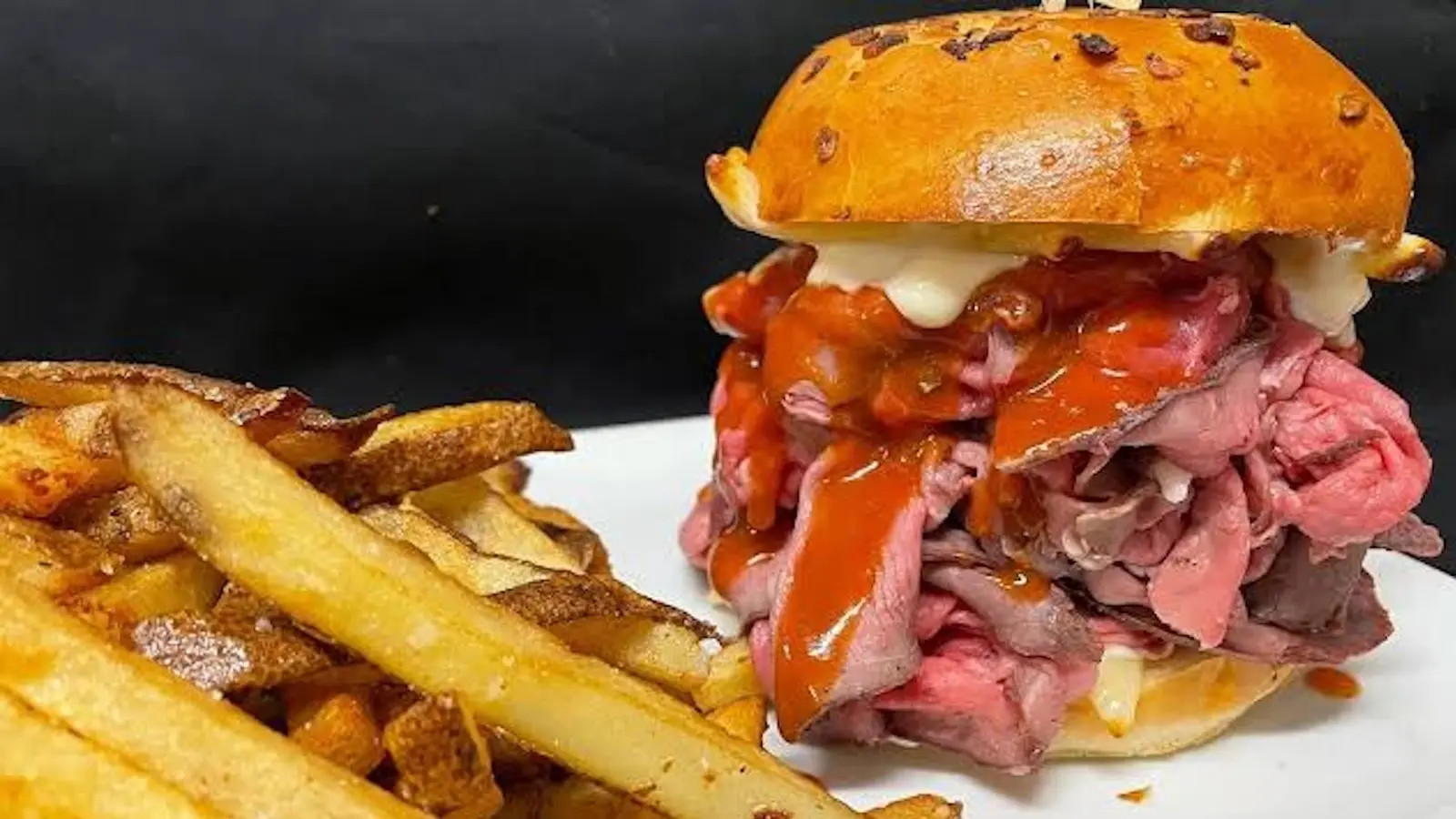 The Three Toppings Defining The North Shore Roast Beef Sandwich
 Popcorn gets a sweet upgrade inspired by Girl Scout cookies
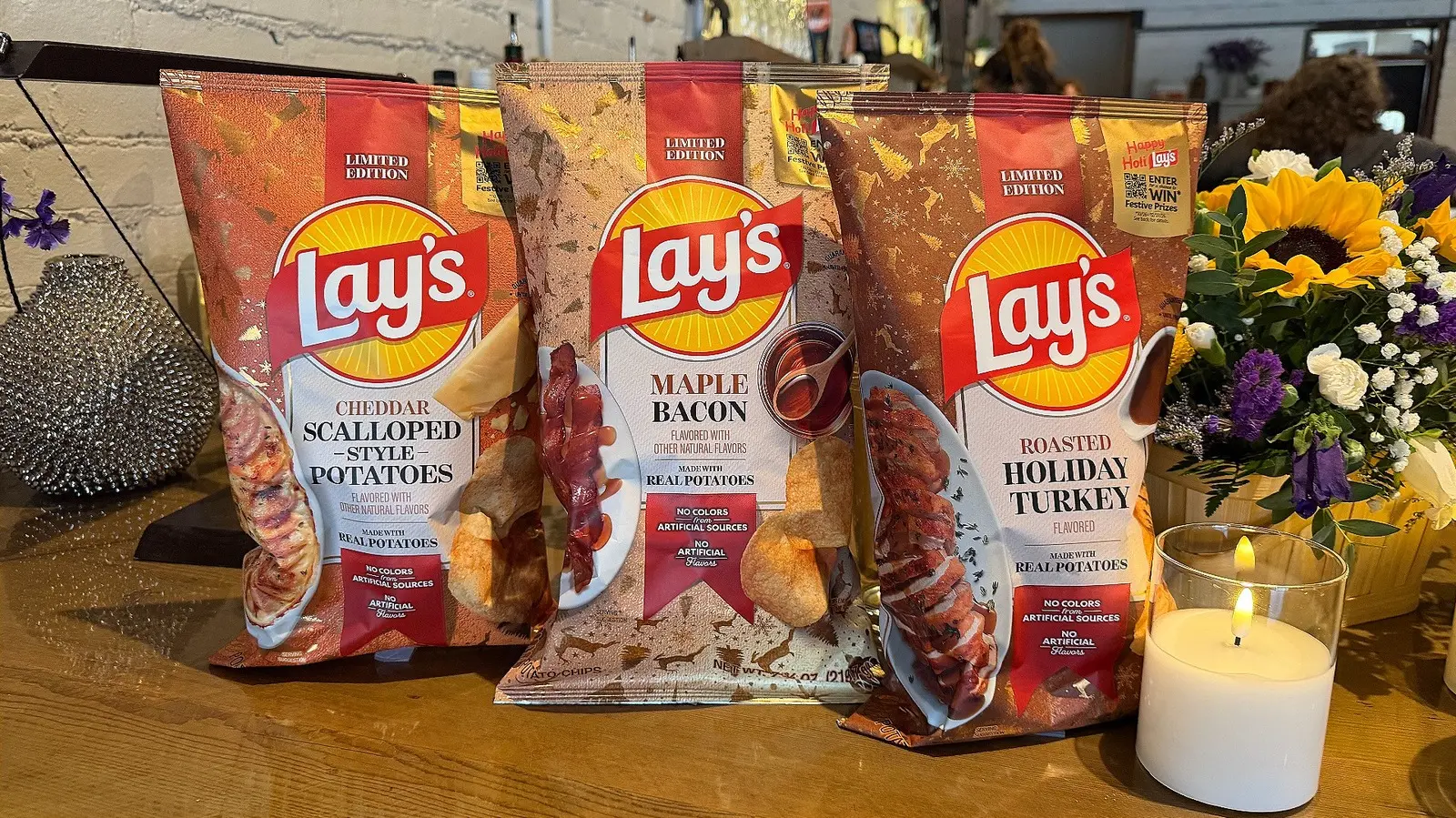 Lay’s Unveils Three Limited-Edition Thanksgiving Chip Flavors
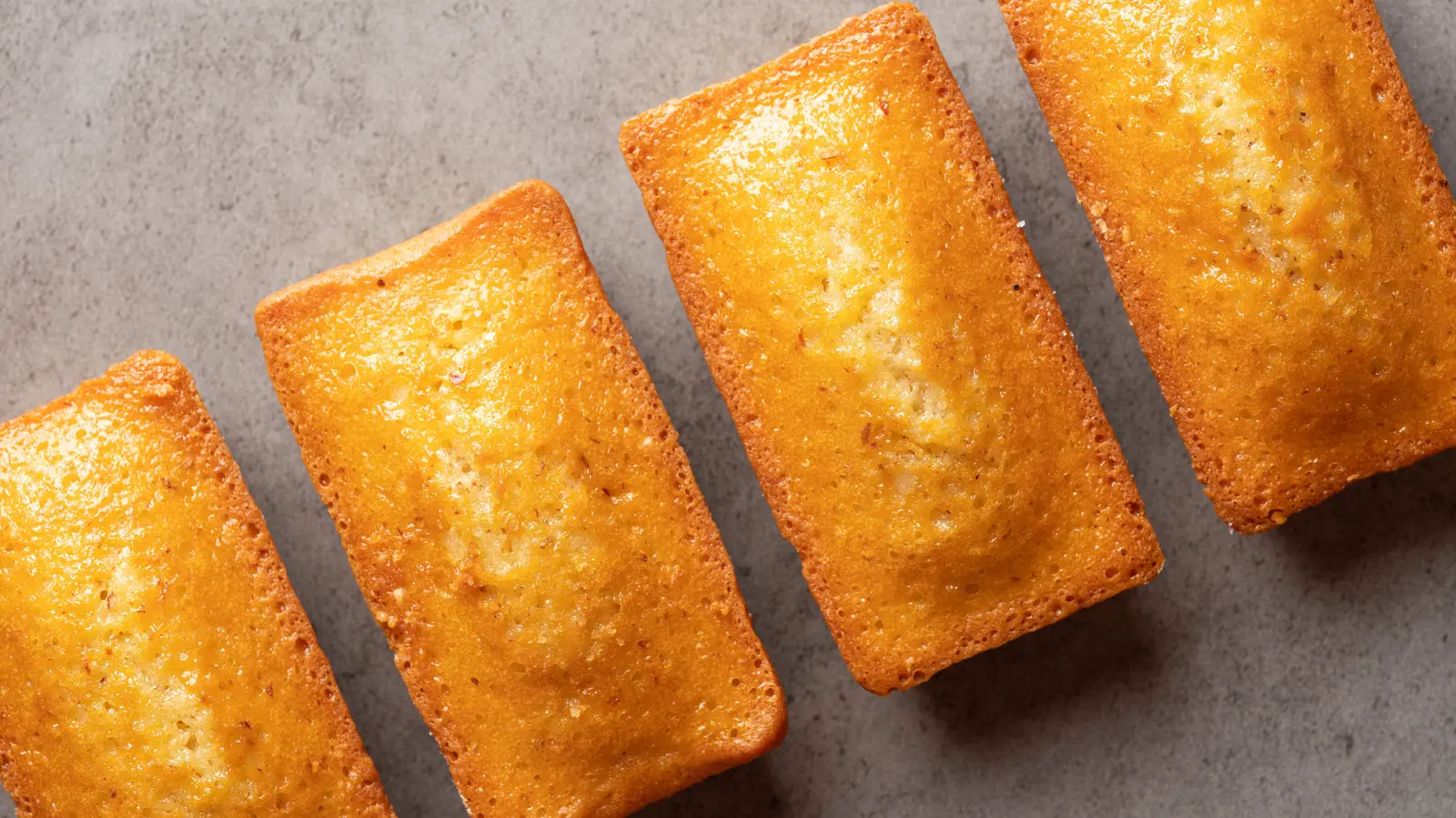 Three ingredients transform cheap pound cake into Latin American treat
The ramen renaissance traces its roots to late 19th-century Japan, evolving through 20th-century instant adaptations before sweeping global markets. In the United States, this trend has manifested as a widespread menu staple, with chefs adapting classic techniques to local ingredients and tastes. What began as immigrant community fare has transformed into a mainstream culinary movement, appearing in everything from food trucks to fine dining establishments.
How Are Home Cooks Joining the Ramen Trend?
Chefs across the country are putting local spins on traditional ramen, incorporating regional produce and proteins. In the Pacific Northwest, salmon and foraged mushrooms feature prominently, while Southwest versions might include green chile or barbacoa. New York City spots often experiment with bold spice levels, whereas Midwestern restaurants tend toward heartier, meat-focused broths. These adaptations show how ramen serves as a canvas for culinary creativity while maintaining its essential character as a comforting noodle soup.
Home preparation has surged alongside restaurant popularity, with specialty ingredients becoming more accessible. Asian grocery stores now stock fresh noodles, miso pastes, and specialty oils that were once hard to find outside urban centers. Online tutorials and cookbooks guide enthusiasts through making broth from scratch, though many still rely on quality concentrated bases for weeknight meals. This accessibility has helped democratize what was once considered a complex dish requiring specialized training.
What makes ramen different from other noodle soups? Ramen specifically uses wheat-based noodles served in a savory broth typically made from pork, chicken, or fish bones, seasoned with tare (a concentrated sauce) and topped with ingredients like sliced pork, nori, menma, and green onions. The broth preparation, which can simmer for hours, distinguishes it from quicker noodle soups.
Frequently Asked Questions
Is authentic ramen difficult to make at home? While traditional tonkotsu broth requires significant time and technique, accessible shortcuts exist. Using high-quality dried mushrooms, kombu, and concentrated bases allows home cooks to create satisfying bowls without specialized equipment. Many recipes balance authenticity with practicality for weeknight cooking.
Why has ramen become so popular in the United States? Ramen's appeal lies in its customizable nature, comforting warmth, and umami-rich flavors that resonate with American palates. Its adaptability to local ingredients and dietary preferences—from vegetarian to spicy variations—has helped it transcend niche status to become a mainstream dining option across diverse communities.
Content written by Henry Cross for fancy-meals.com editorial team, AI-assisted.