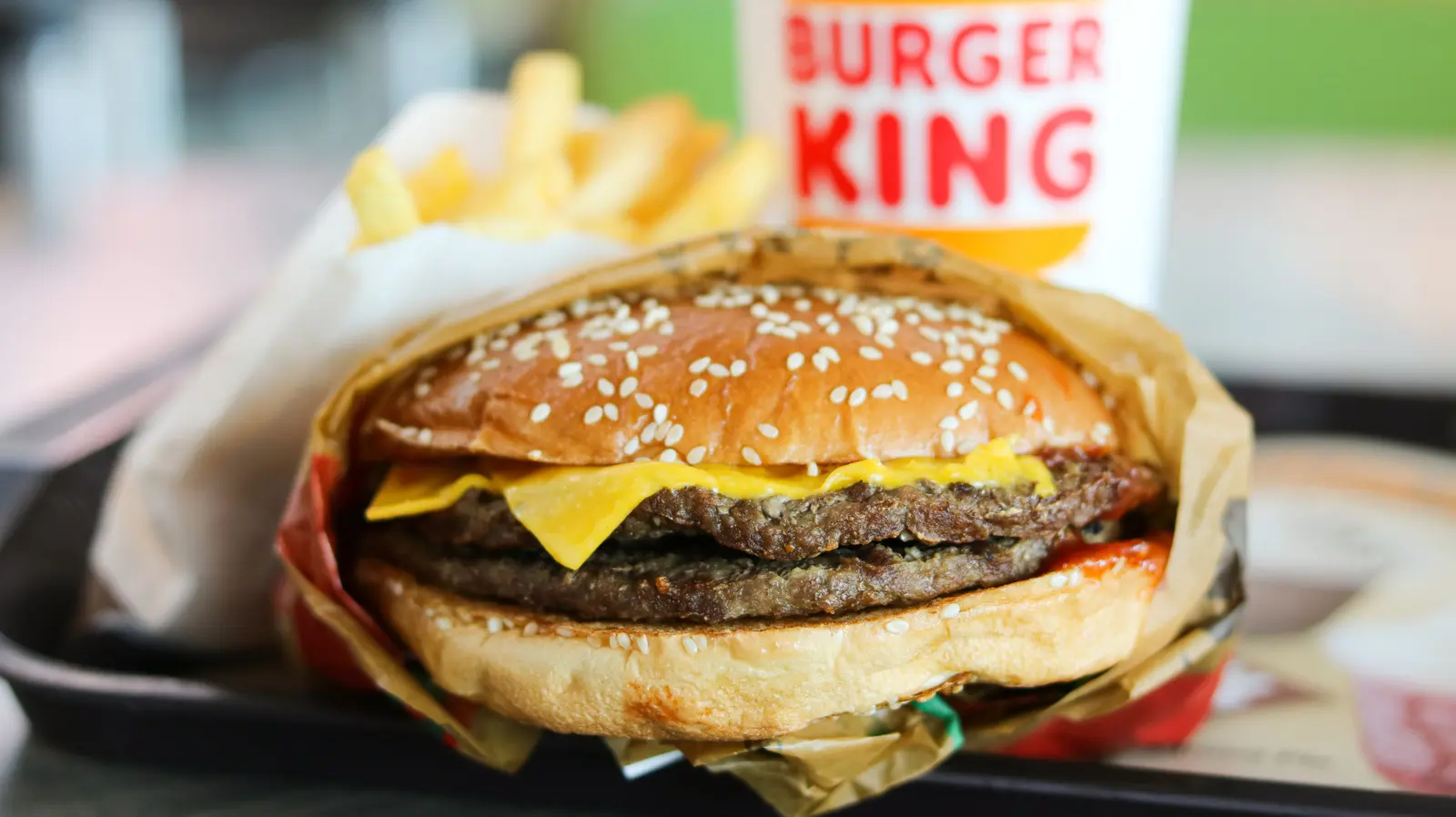
The Strict Seasoning Rule Burger King Employees Can't Break (And You've Probably Noticed)
How the Seasoning Rule Works in Practice
Burger King enforces a strict seasoning protocol for its menu items to ensure consistent taste across all locations, a rule employees must follow without exception. This regulation, part of the chain's broader food preparation standards, helps maintain the brand's signature flavor profile that customers recognize nationwide. The rule applies specifically to how much and when seasoning is added during cooking, particularly for signature items like the Whopper and fries. Employees are trained to adhere precisely to these measurements to avoid variations in taste that could affect customer satisfaction. The policy reflects Burger King's commitment to uniformity in its fast-food offerings, a common practice among major chains aiming to deliver predictable quality.
Latest news
 Costco's Frozen Dumpling Lineup, Ranked From Least To Most Tasty
 Best stainless-steel frying pans 2026: expert-tested picks for searing, eggs and daily cooking
 Trader Joe’s First‑Time Shopper Guide: Must‑Try Items
 Panda Express vs P.F. Chang's: Which Orange Chicken Is Healthier?
According to internal guidelines, Burger King staff must use pre-measured seasoning blends dispensed through standardized tools to guarantee accuracy. Deviating from these amounts, even slightly, is considered a violation of operational procedures and can result in retraining or disciplinary action. The rule is especially critical for grilled items, where seasoning is applied at specific stages of the cooking process to lock in flavor. Managers conduct regular checks to ensure compliance, often using taste tests and portion audits. This level of control allows Burger King to replicate the same taste experience whether a customer visits a restaurant in New York or Nebraska, reinforcing brand reliability through strict kitchen discipline.
Why Does Burger King Insist on Such Precision?
The seasoning rule exists because even minor inconsistencies in flavor can lead to noticeable differences in customer perception, potentially undermining trust in the brand. In a competitive fast-food market, repeat business depends heavily on delivering the expected taste every time. Burger King’s approach mirrors industry-wide efforts to minimize human error in food preparation through systematized processes. By removing guesswork, the chain reduces waste, improves efficiency, and protects its reputation for quality. Employees are reminded during onboarding that following these rules isn’t just about procedure—it’s directly tied to preserving the customer experience that keeps people coming back.
If a worker fails to follow the seasoning protocol, the mistake is typically caught during routine quality checks or customer feedback. First-time errors usually lead to coaching and a review of the correct procedure, while repeated violations may trigger formal performance discussions. Burger King emphasizes correction over punishment, aiming to retrain rather than reprimand. However, persistent non-compliance could affect an employee’s standing, especially in roles where food safety and consistency are paramount. The underlying goal is not to create a fearful workplace but to instill habits that uphold the brand’s standards across thousands of daily transactions.
What Happens If an Employee Gets the Seasoning Wrong?
Why does Burger King focus so much on seasoning rather than other cooking steps? Seasoning has an immediate and detectable impact on flavor, making it a key lever for consistency. While other steps like grilling time or temperature are also monitored, seasoning is one of the most variable factors influenced by human input, so it requires tight control.
Frequently Asked Questions
Can customers taste the difference if seasoning is off? Yes, regular customers often notice when a burger or fry doesn’t taste quite right, even if they can’t pinpoint the exact issue. Burger King’s internal testing shows that even a 10% deviation in seasoning can be detected by trained palates and may affect overall satisfaction.
Is this seasoning rule unique to Burger King? No, most major fast-food chains have similar protocols for seasoning and portioning to ensure product uniformity. What varies is the specific blend, timing, and enforcement methods used by each brand.
Content written by [email protected] (Bridget Sharkey) for fancy-meals.com editorial team, AI-assisted.