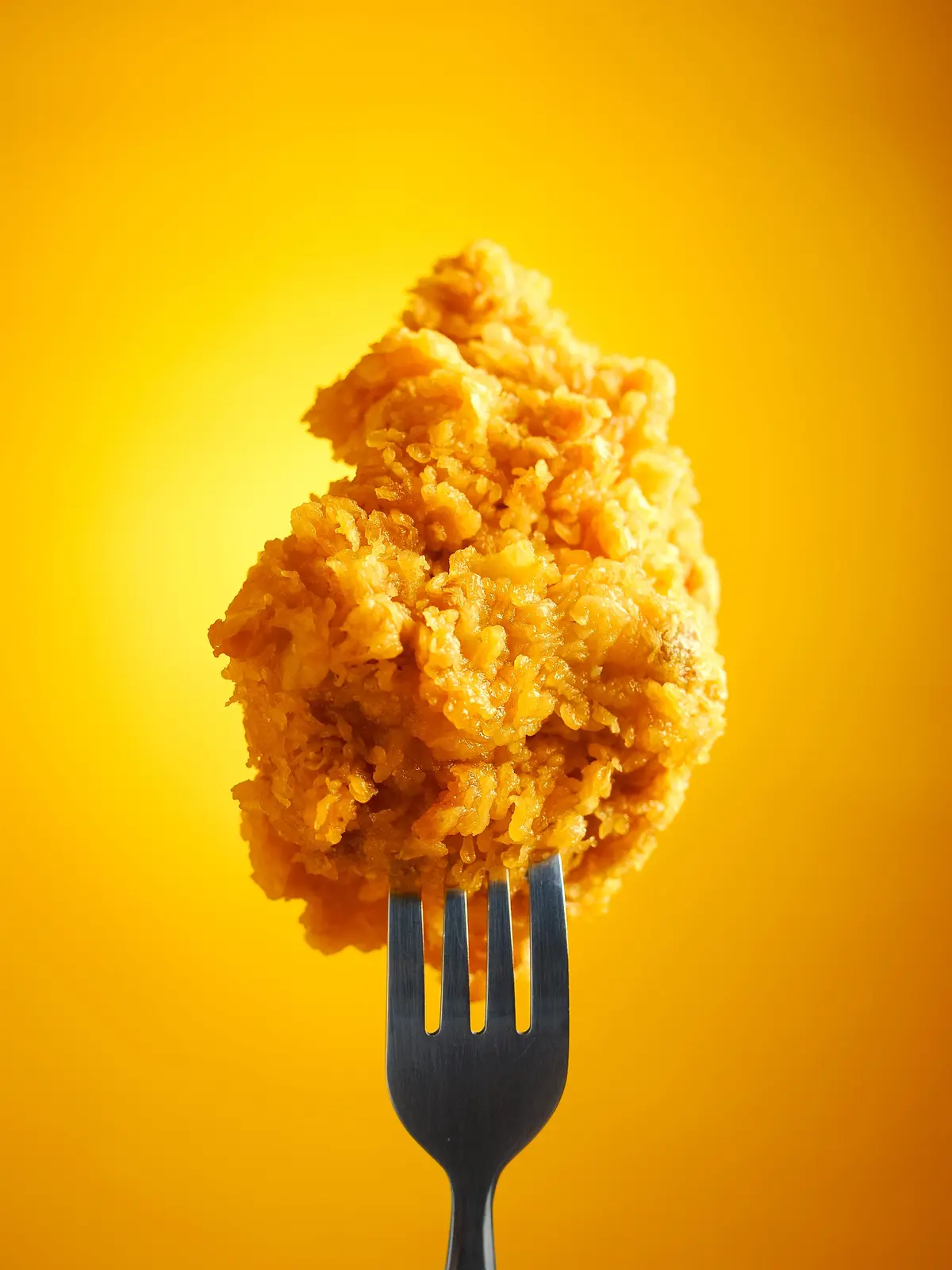
The secret to perfectly crisp chicken skin lies in a simple technique shared by culinary experts
Why Standard Methods Fail Home Cooks
Barney Desmazery, a food specialist for Good Food, has revealed his preferred method for achieving a shatteringly crisp coating on poultry. This approach addresses a common kitchen frustration where home cooks often find their chicken skin remains soft or soggy despite standard cooking methods. The technique focuses on manipulating the surface texture of the meat before it enters the oven or pan. By following this specific preparation step, cooks can transform a routine dish into a restaurant-quality meal without needing specialized equipment or complex ingredients. The method is accessible to beginners and seasoned chefs alike, promising consistent results every time.
Latest news
 Costco's Frozen Dumpling Lineup, Ranked From Least To Most Tasty
 Best stainless-steel frying pans 2026: expert-tested picks for searing, eggs and daily cooking
 Trader Joe’s First‑Time Shopper Guide: Must‑Try Items
 Panda Express vs P.F. Chang's: Which Orange Chicken Is Healthier?
Many people struggle with crispy chicken because they skip the crucial drying phase. Moisture is the enemy of crispness. When skin is wet, steam forms during cooking, which steams the skin rather than crisping it. Desmazery emphasizes that removing this moisture is the single most important factor. He suggests patting the chicken thoroughly dry with paper towels before applying any seasoning or oil. This step ensures that heat can make direct contact with the skin, allowing it to brown and crackle properly. Without this initial drying process, the exterior will likely remain limp and unappealing.
Does Temperature Matter More Than Time?
Yes, high heat is essential for rapid moisture evaporation. Low temperatures cook the meat slowly but fail to create the necessary crust. Desmazery recommends using the highest safe temperature your oven allows. This intense heat drives out remaining moisture quickly, creating a barrier that prevents the skin from becoming greasy. It also promotes the Maillard reaction, the chemical process responsible for browning and flavor development. Combining high heat with the pre-drying technique yields the best results. Patience is still required, as rushing the process can lead to uneven cooking.
How long should I dry the chicken? You should pat the skin dry until it feels completely matte. Any visible moisture must be removed. This takes only a few minutes but is critical for success.
Frequently Asked Questions
Can I use this method for all cuts of chicken? Yes, the technique works for breasts, thighs, and whole birds. The principle of removing surface moisture applies universally to all poultry cuts.
Do I need to marinate the chicken first? Marinating is optional and depends on your flavor preference. However, if you do marinate, ensure you remove excess liquid before the final drying step.
Content written by Barney Desmazery for fancy-meals.com editorial team, AI-assisted.