The Secret to One-Handed Egg Cracking Revealed
The Chef's Precise Technique
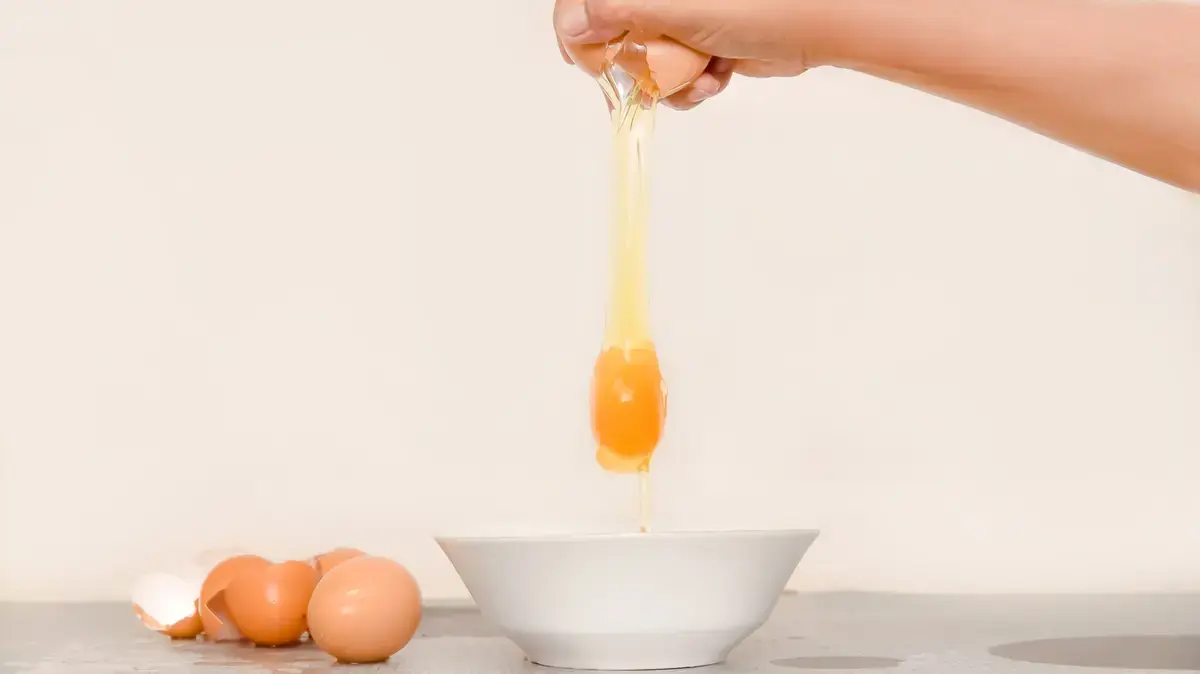
Cracking an egg with a single hand might seem like a magician's trick. However, professional chefs routinely perform this feat. It is a skill that saves time and boosts efficiency in busy kitchens. Mastering this technique can elevate anyone's cooking abilities.
Latest news
 Costco's Frozen Dumpling Lineup, Ranked From Least To Most Tasty
 Best stainless-steel frying pans 2026: expert-tested picks for searing, eggs and daily cooking
 Trader Joe’s First‑Time Shopper Guide: Must‑Try Items
 Panda Express vs P.F. Chang's: Which Orange Chicken Is Healthier?
Many home cooks struggle with egg cracking. Some hit too hard, scattering shell fragments everywhere. Others tap too gently, failing to break the shell at all. Chefs have developed specific methods to avoid these common pitfalls, ensuring a clean break every time.
The key lies in a firm, controlled strike against a flat surface. Chefs typically use the edge of a counter or a sturdy bowl. The goal is to create a single, clean fracture line around the egg's equator. This prevents the shell from splintering into tiny pieces.
Why Practice Makes Perfect?
After the initial tap, the chef applies even pressure with their thumb and forefinger. These two digits are positioned on opposite sides of the crack. A swift, outward motion then separates the shell halves. This allows the egg's contents to fall cleanly into the bowl. The entire process takes less than a second.
This method requires practice to perfect the right amount of force. Too much force will shatter the egg. Too little will not break it cleanly. The consistent movement of the thumb and forefinger is also crucial. It ensures the shell opens wide without tearing the membrane.
Chefs often crack dozens, if not hundreds, of eggs daily. This constant repetition hones their technique. It becomes an almost unconscious action. The ability to crack eggs one-handed frees up the other hand for other tasks. This is invaluable in a fast-paced kitchen environment.
The benefit extends beyond speed. A clean crack reduces the chance of shell fragments falling into the food. This improves food quality and safety. It also minimizes waste, as fewer eggs are ruined during preparation.
Frequently Asked Questions
What is the best surface for cracking an egg? A flat, hard surface like a countertop or the edge of a sturdy bowl is ideal. This provides a stable point of impact for a clean break.
How do chefs avoid getting shell fragments in the egg? They aim for a single, clean crack around the middle of the egg. Then, they use their thumb and forefinger to pull the shell apart precisely at the fracture line.
Does the egg's temperature affect cracking? While not explicitly stated, colder eggs tend to have stronger membranes. This might make them slightly easier to separate cleanly once cracked.
Content written by Isabelle Fontaine for fancy-meals.com editorial team, AI-assisted.