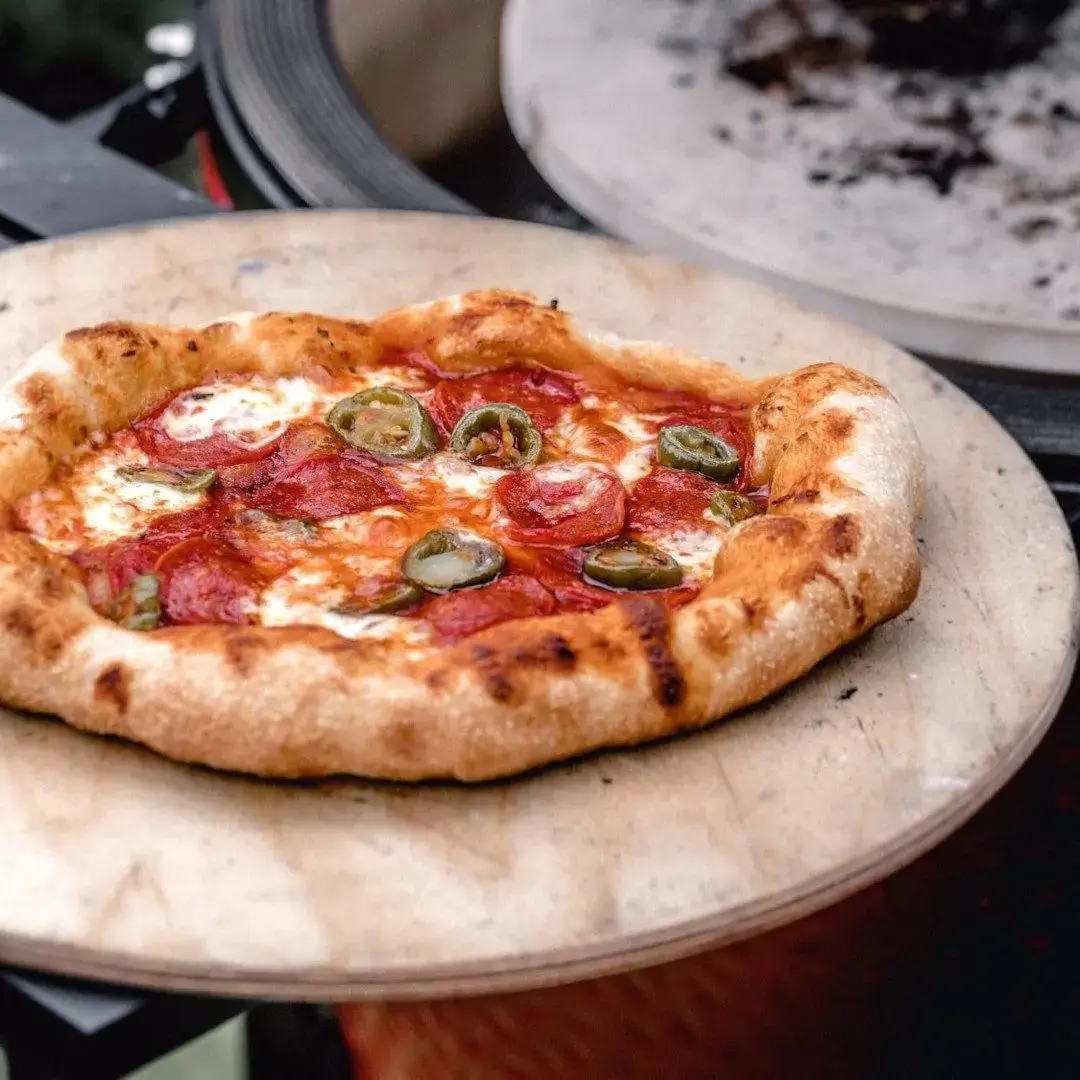
The Quest for the Perfect Pizza Stone
A Stone for All Seasons
In the pursuit of a crispy, golden-brown pizza crust, many home cooks have turned to pizza stones. These stones can be used in both home ovens and barbecues, making them a versatile addition to any kitchen. But with so many options available, it can be difficult to know which one to choose.
Latest news
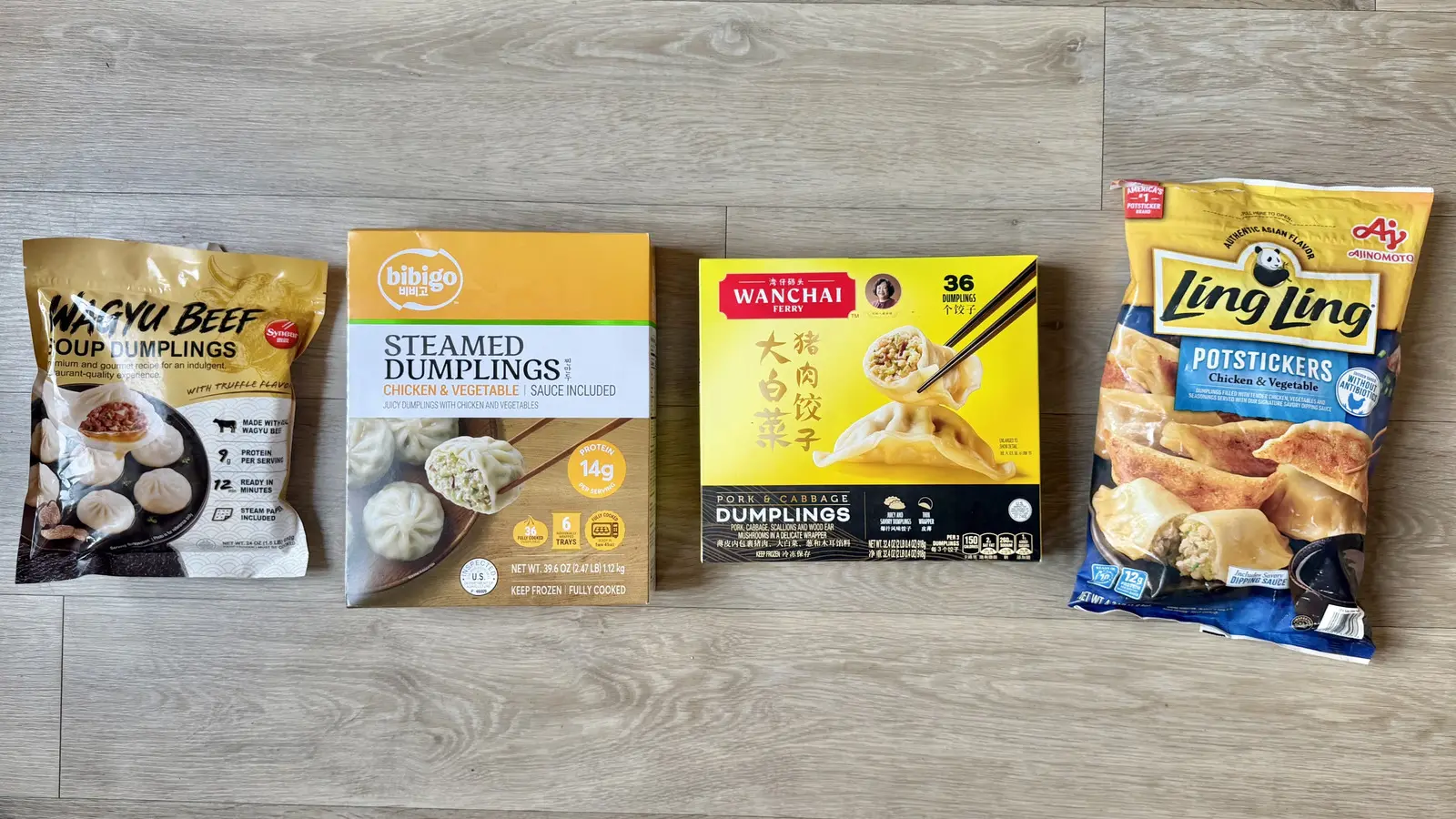 Costco's Frozen Dumpling Lineup, Ranked From Least To Most Tasty
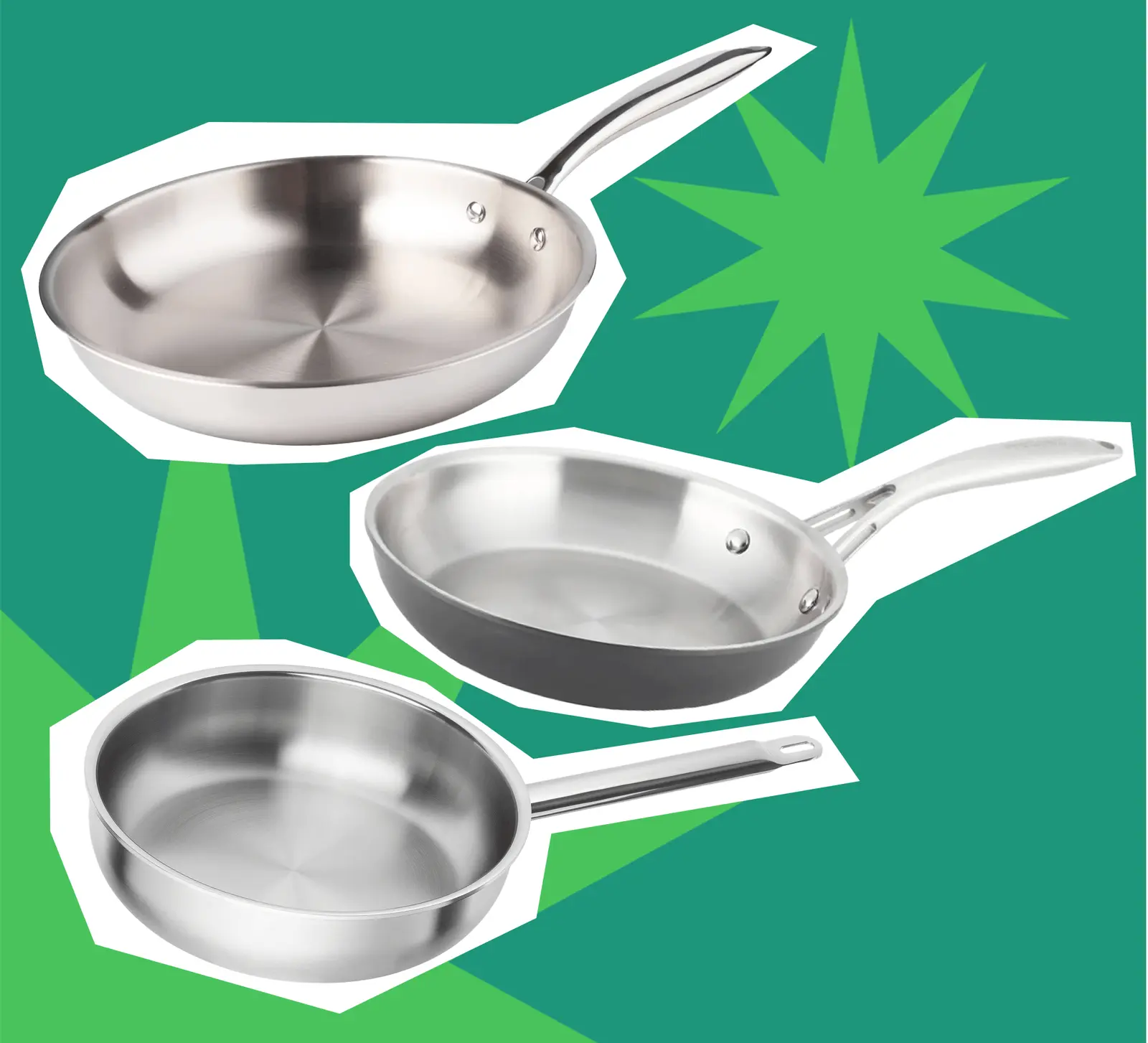 Best stainless-steel frying pans 2026: expert-tested picks for searing, eggs and daily cooking
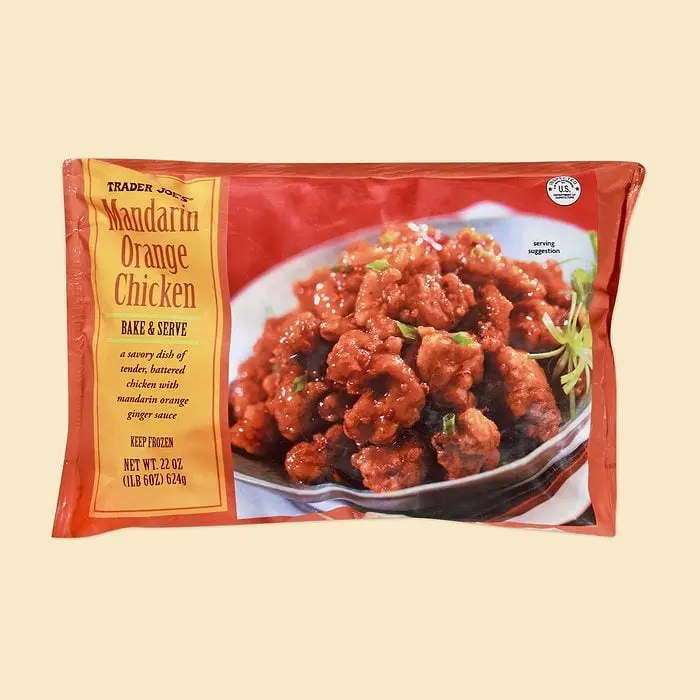 Trader Joe’s First‑Time Shopper Guide: Must‑Try Items
 Panda Express vs P.F. Chang's: Which Orange Chicken Is Healthier?
The key to a great pizza stone lies in its ability to distribute heat evenly and retain moisture. This allows the crust to cook slowly and evenly, resulting in a crispy exterior and a soft interior. But not all pizza stones are created equal, and some can be more finicky than others.
One of the standout options is the Kamado Joe pizza stone, which is large and robust enough to handle even the most demanding pizza recipes. At around £30, it hits a sweet spot between price and performance, making it a great value for home cooks. The Kamado Joe stone can be used in both home ovens and on barbecues, making it a versatile addition to any kitchen.
Low-Maintenance Stones: A Rare Breed
The Kamado Joe pizza stone is also a great option for those who want a stone that can handle high temperatures. It can withstand temperatures of up to 500°C, making it perfect for cooking pizzas in a hot oven or on a barbecue. However, it's worth noting that the stone may require some maintenance to keep it in good condition.
While the Kamado Joe pizza stone is a great option for those who want a high-quality stone, it may not be the best choice for those who want something low-maintenance. Many pizza stones, including the Kamado Joe, cannot be cleaned with soap and water or put in the dishwasher. This can make cleaning and maintenance a bit more difficult.
For those who want a low-maintenance stone, it may be worth looking into other options. However, it's worth noting that these stones may not be as durable or long-lasting as the Kamado Joe stone.
The Consequences of a Poor Pizza Stone
Using a poor-quality pizza stone can have serious consequences for the quality of your pizza. A stone that cannot distribute heat evenly or retain moisture may result in a crust that is either too hard or too soft. This can be a major disappointment for home cooks who are looking for a perfect pizza crust.
In the end, the choice of pizza stone will depend on your individual needs and preferences. If you're looking for a high-quality stone that can handle high temperatures and provide a crispy, golden-brown crust, the Kamado Joe pizza stone may be the perfect choice. However, if you're looking for something low-maintenance, you may want to look into other options.
Frequently Asked Questions
Q: Can I use a pizza stone in my microwave? A: No, pizza stones should not be used in the microwave as they can crack or shatter due to the high heat.
Q: How do I clean my pizza stone? A: Most pizza stones can be cleaned with a gentle scrubber and water, but some may require special cleaning instructions.
Q: Can I put my pizza stone in the dishwasher? A: No, most pizza stones should not be put in the dishwasher as they can be damaged by the high heat and harsh detergents.
Content written by Henry Cross for fancy-meals.com editorial team, AI-assisted.