
The Importance of Poking Holes in Potatoes Before Baking
The Science Behind the Technique
Baking potatoes is a simple task, but there’s a crucial step that many people often follow: poking holes in the skin. This practice, rooted in culinary tradition, serves an important purpose.
Latest news
 The Ultimate Homemade Chili Recipe for Cold Weather
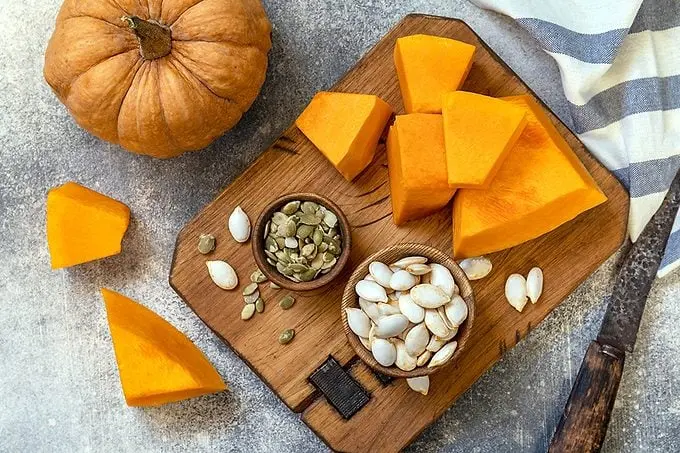 The Nutritional Power of Pumpkin Beyond Seasonal Desserts
 A Culinary Journey Through the 30th Epcot International Food and Wine Festival
 Burger King Unleashes Hello Kitty Kids' Meal with Ultra-Rare Golden Collectible
Potatoes are packed with moisture, and when heated, this moisture turns to steam. If the steam has no escape route, it builds up pressure inside the potato. This can lead to a messy explosion in the oven, ruining both the potato and your meal. By poking holes, you allow steam to escape, ensuring a perfectly baked potato without the risk of bursting.
The act of poking holes in potatoes is not just a habit passed down through generations; it is backed by science. Potatoes are composed of about 80% water, making them prone to steam buildup when cooked. As the temperature rises, the water inside the potato heats up and expands. If this steam cannot escape, it can cause the potato to rupture.
Why Do Some Skip This Step?
Most cooks recommend using a fork to create several small holes in the skin before baking. This simple action allows steam to vent safely, preventing accidents and promoting even cooking. The result is a fluffy interior with a crispy skin, which is the hallmark of a well-baked potato.
Despite the clear benefits, some individuals choose to skip the hole-poking step. They may believe that it is unnecessary or that it alters the flavor or texture of the potato. However, those who have experienced a potato explosion in the oven can attest to the importance of this practice.
Some people also argue that modern ovens are designed to handle moisture better, reducing the risk of explosions. However, the consensus among culinary experts remains that poking holes is a wise precaution, especially for novice cooks.
What Happens If You Don't Poke Holes?
In addition to preventing explosions, poking holes can also improve the cooking process. When steam escapes, it helps to create a crispy skin, while the inside remains soft and fluffy. This is particularly important for those who enjoy their potatoes with toppings like butter, sour cream, or chives.
Failing to poke holes in your potato can lead to a culinary disaster. A potato explosion can create a mess in your oven, requiring time and effort to clean up. Moreover, the potato itself may end up unevenly cooked, affecting its taste and texture.
In the long run, adhering to this simple practice can enhance your cooking experience. It ensures that your baked potatoes turn out perfectly every time, allowing you to focus on enjoying your meal rather than worrying about potential mishaps.
Frequently Asked Questions
Why is it necessary to poke holes in potatoes? Poking holes allows steam to escape, preventing pressure buildup that can cause the potato to explode while baking.
Can I bake potatoes without poking holes? While it is possible, it is not recommended. Skipping this step increases the risk of a messy explosion and uneven cooking.
What tool should I use to poke holes? A fork is the most common tool for this task. It creates small holes that effectively allow steam to escape during baking.
Content written by Isabelle Fontaine for fancy-meals.com editorial team, AI-assisted.