Berries Stay Put: The Baking Secret
The Science Behind Sinking Berries
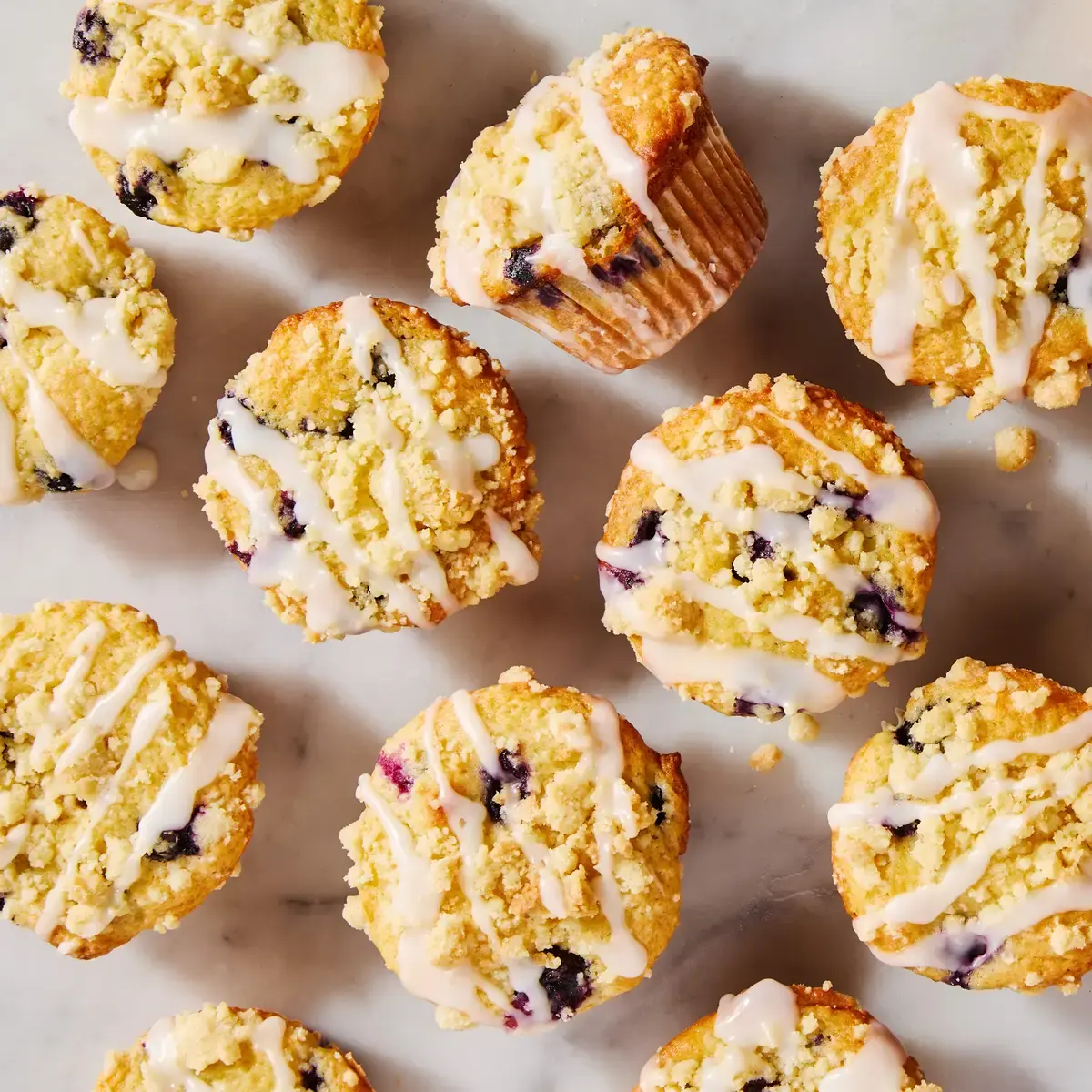
A professional baker shares a simple trick. It prevents berries from sinking during baking. This ensures even distribution throughout muffins, cakes, and pies. The technique focuses on a light coating before mixing.
Latest news
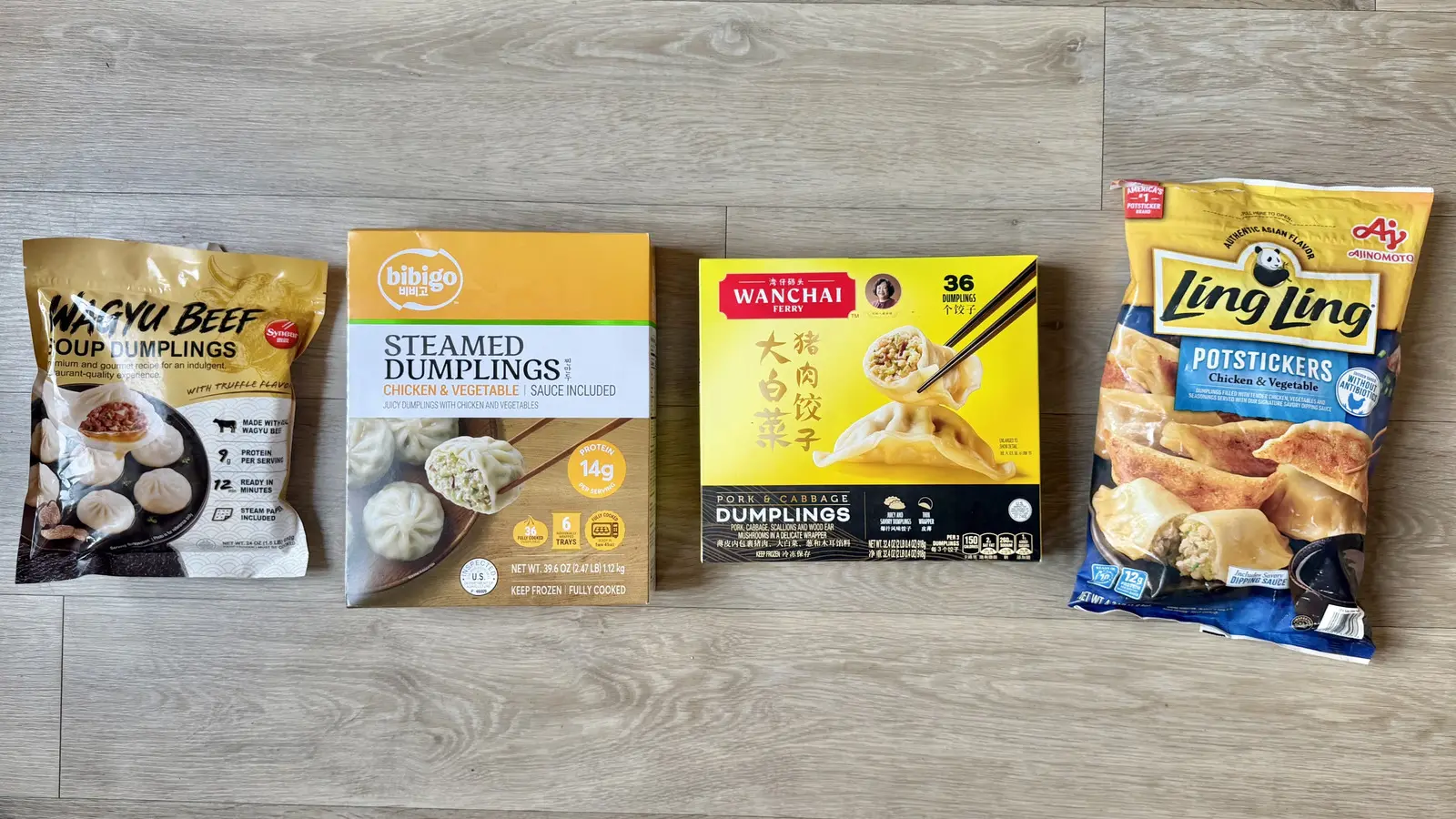 Costco's Frozen Dumpling Lineup, Ranked From Least To Most Tasty
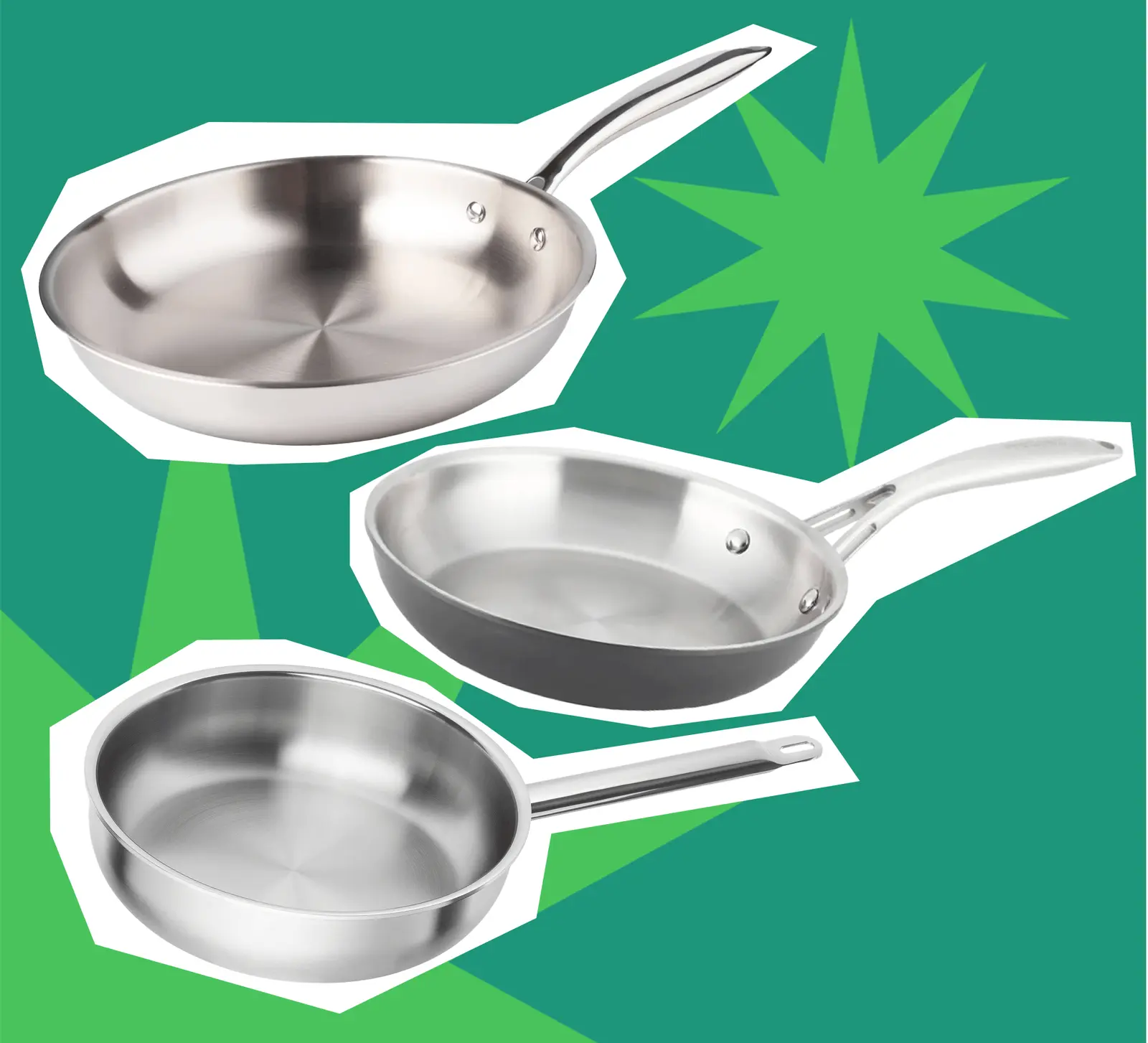 Best stainless-steel frying pans 2026: expert-tested picks for searing, eggs and daily cooking
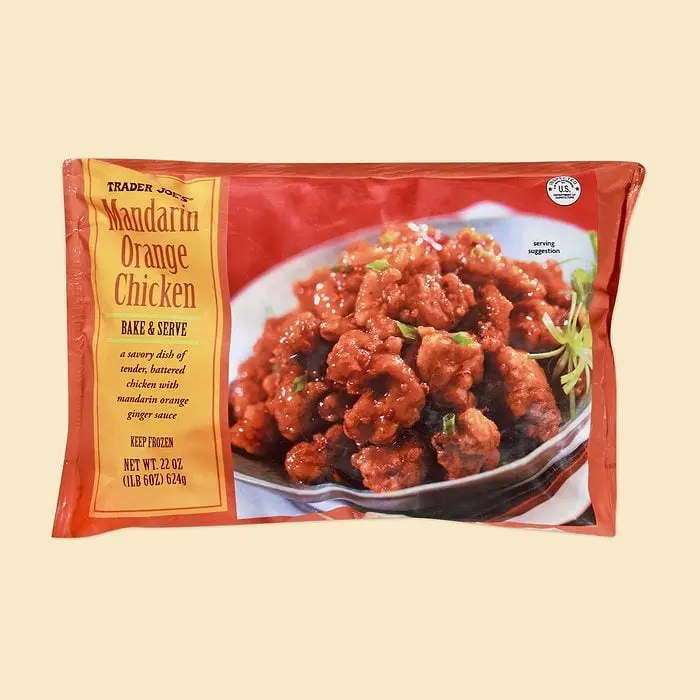 Trader Joe’s First‑Time Shopper Guide: Must‑Try Items
 Panda Express vs P.F. Chang's: Which Orange Chicken Is Healthier?
Many bakers struggle with this common problem. Berries often fall to the bottom of batters. This creates unevenly flavored baked goods. It’s visually unappealing too. The solution isn’t complicated, but requires a quick step.
Berries are denser than typical batter ingredients. Gravity pulls them downwards during baking. A quick toss in flour solves this issue. The flour creates a light coating. This helps the berries suspend within the mixture. It’s a simple physics lesson applied to baking.
Does Berry Type Matter?
„It’s all about creating a bit of drag,” explains Makinze Gore, a seasoned baker. „The flour gives the berries something to grip onto.” She notes this prevents them from immediately plummeting. It keeps them dispersed throughout the bake.
The technique works best with smaller berries. Blueberries are the most common culprit for sinking. Raspberries and blackberries can also benefit. Larger berries might require a slightly more generous coating. Frozen berries should be used directly from the freezer. Don’t thaw them first, as this adds moisture.
The baker emphasizes gentle handling. Avoid rough mixing, which can break the berries. A delicate fold ensures they remain intact. This preserves their shape and prevents color bleeding.
Frequently Asked Questions
Ultimately, preventing sinking berries improves the final product. It delivers a more visually appealing and consistently flavored treat. Ignoring this step can lead to disappointing results. Consumers expect evenly distributed fruit in their baked goods. This simple trick ensures bakeries and home cooks meet those expectations.
Will this work with all types of batter? Yes, the flour coating method is effective in most batters. It works particularly well in lighter, less dense recipes. However, very thick batters may still see some settling.
Can I use cornstarch instead of flour? Cornstarch can also work, but flour is generally preferred. It provides a more neutral flavor and better grip. Cornstarch may slightly alter the texture of the final product.
Content written by Lucas Carter for fancy-meals.com editorial team, AI-assisted.