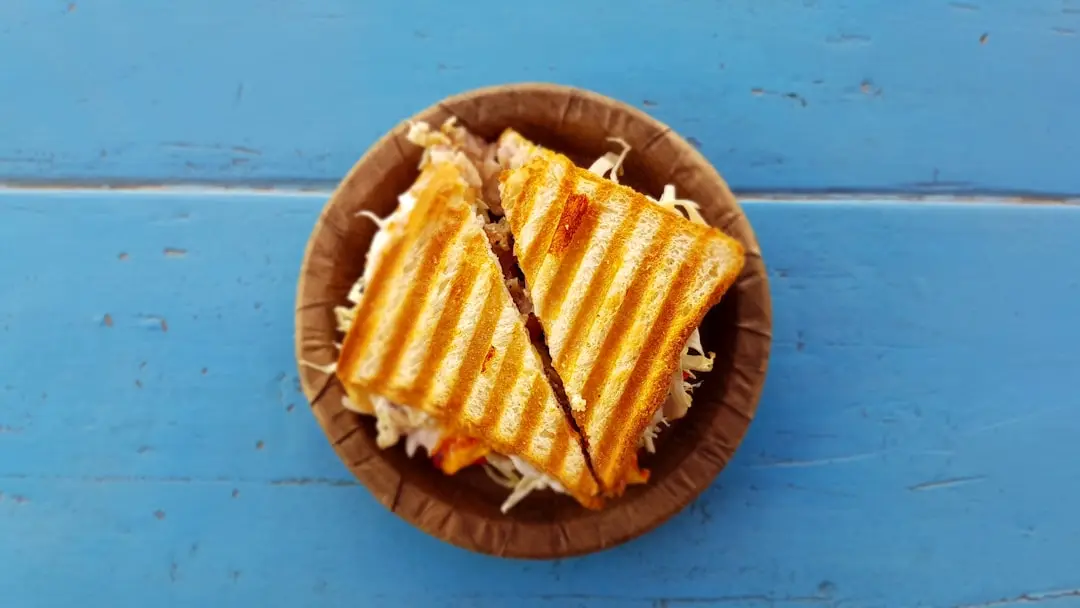
The Cubano Sandwich: A Florida Legacy Rooted in Immigrant Kitchens
The Ingredients That Define Authenticity
Born in the bustling cigar factories of Tampa’s Ybor City in the late 19th century, the Cubano sandwich emerged as a lunchtime staple among Cuban, Spanish, and Italian immigrant workers. These laborers shared ingredients and techniques, blending slow-roasted mojo pork, cured ham, Swiss cheese, dill pickles, and yellow mustard on Cuban bread. Unlike its Havana namesake, this version was shaped by Florida’s multicultural workforce, becoming a defining symbol of Tampa and Miami’s culinary identity. The sandwich is traditionally pressed until the crust crackles, sealing its layers into a warm, compact handheld meal.
Latest news
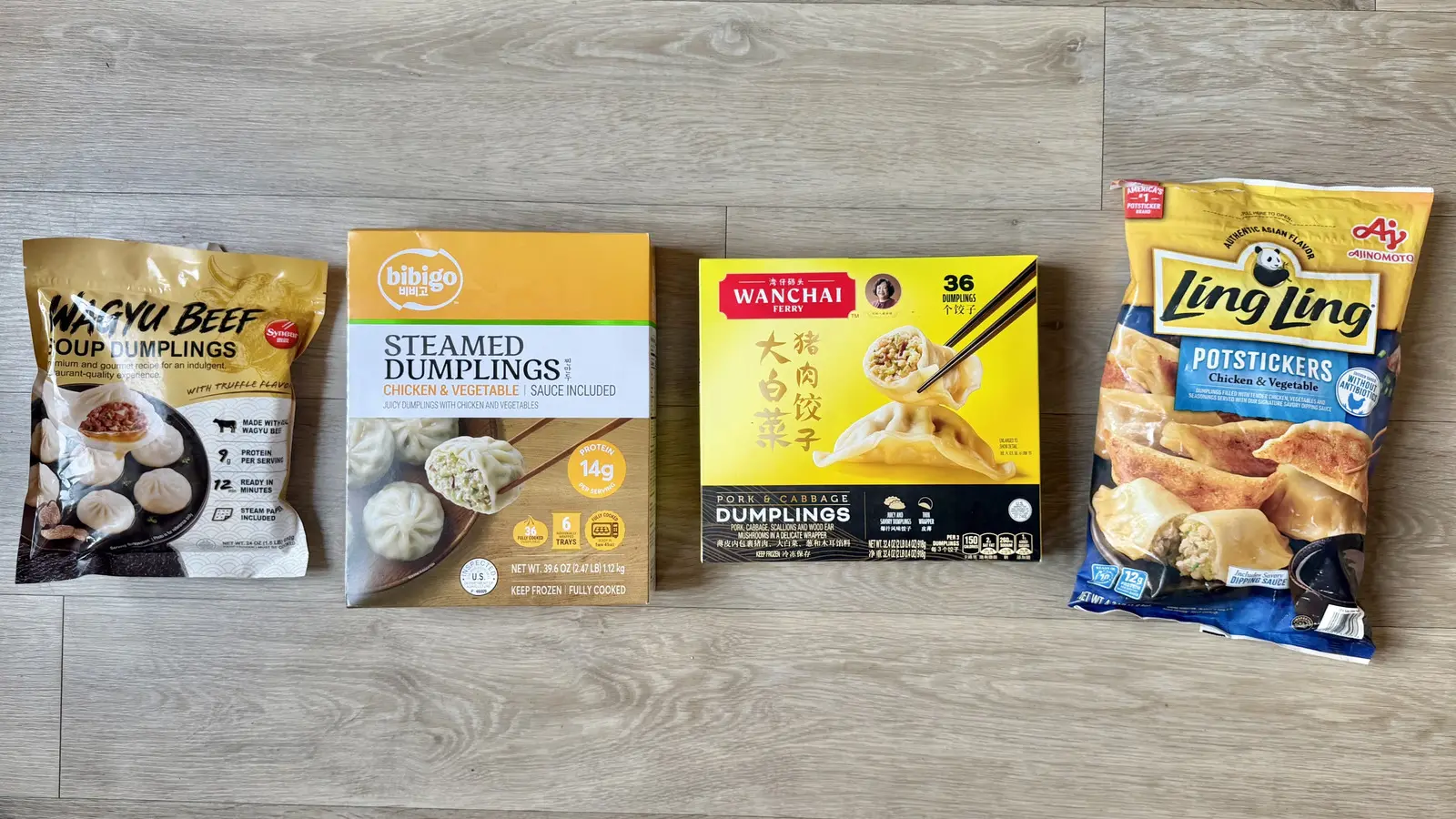 Costco's Frozen Dumpling Lineup, Ranked From Least To Most Tasty
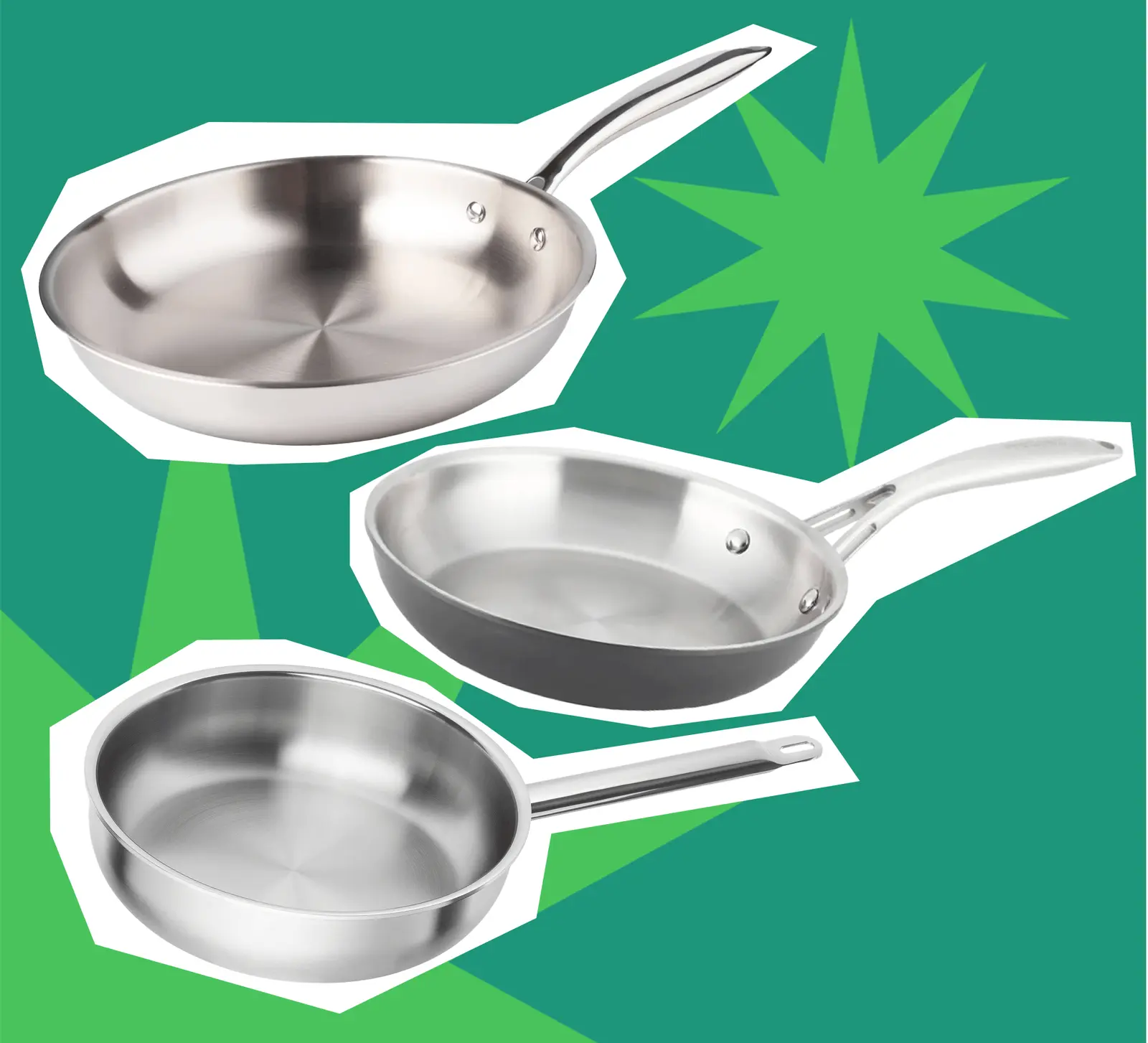 Best stainless-steel frying pans 2026: expert-tested picks for searing, eggs and daily cooking
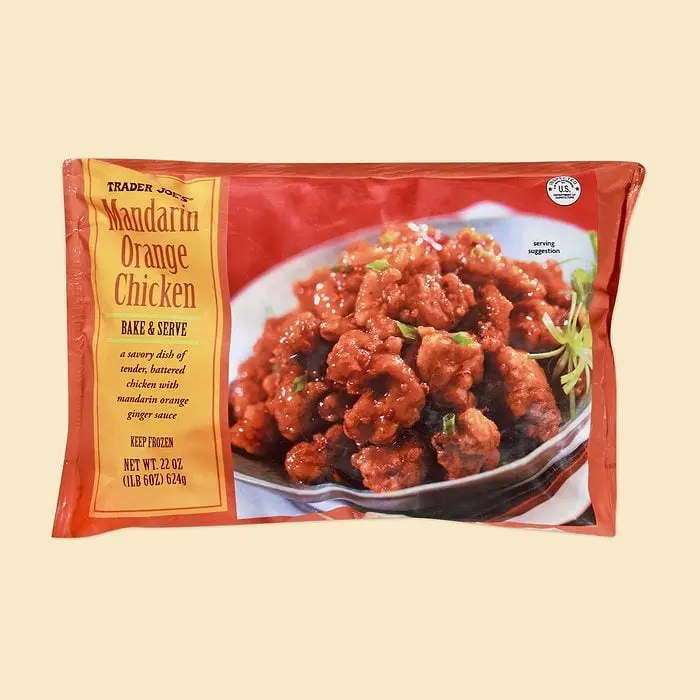 Trader Joe’s First‑Time Shopper Guide: Must‑Try Items
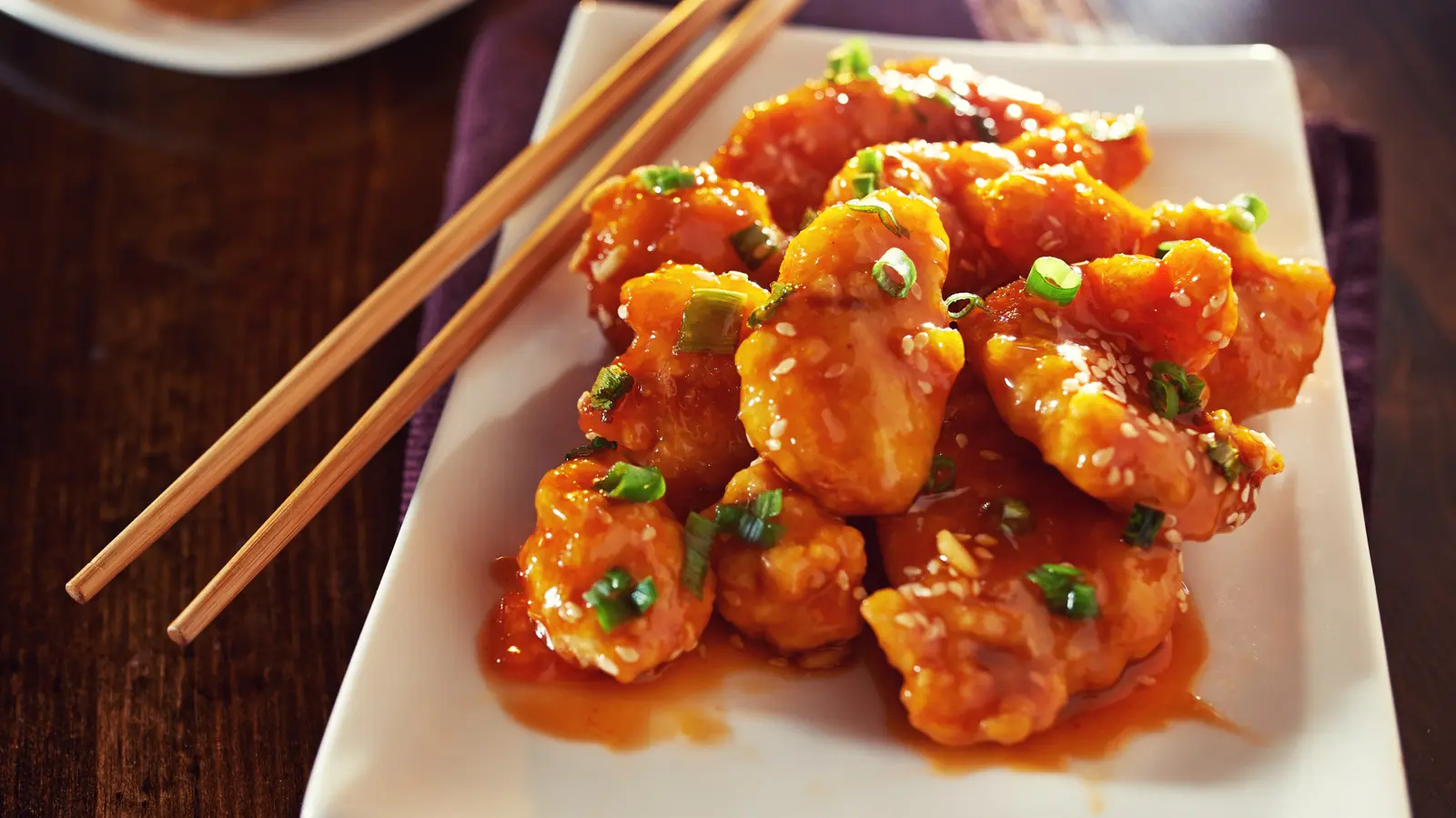 Panda Express vs P.F. Chang's: Which Orange Chicken Is Healthier?
Purists insist on specific components that distinguish a true Cubano from imitations. The pork must be marinated in mojo—a citrus-garlic sauce—and slow-roasted until tender. Ham adds saltiness, while Swiss cheese melts smoothly without overpowering. Dill pickles provide essential acidity and crunch, and yellow mustard is non-negotiable; Dijon is rejected for altering the flavor profile. The bread, ideally Cuban or similar to a soft baguette, is buttered and pressed on a plancha or sandwich press until the exterior shatters slightly, creating a contrast between crisp outside and molten interior. This method ensures even heating and binds the fillings into a cohesive bite.
Why Does Pressing Matter So Much?
Pressing the Cubano isn’t just about texture—it transforms the sandwich chemically and physically. Heat and pressure meld the fats from the pork and cheese, allowing flavors to integrate while preventing sogginess from the pickles and mustard. The crust’s shatter signals proper caramelization and Maillard reaction, enhancing savoriness. Skipping this step results in a loose, lukewarm assembly rather than the iconic handheld experience. In Ybor City’s historic cafes and modern Miami eateries alike, the press remains non-negotiable, a ritual honoring both tradition and food science.
What makes a Cubano different from a regular ham and cheese sandwich? A Cubano features slow-roasted mojo pork, Swiss cheese, dill pickles, and yellow mustard on pressed Cuban bread, creating a distinct tangy, savory profile absent in simpler versions.
Frequently Asked Questions
Can I make a Cubano without a press? While a heavy skillet or weighted foil can approximate pressure, a proper press ensures even heat and the signature crisp exterior; substitutes may yield uneven results.
Is the Cubano truly Cuban if it was invented in Tampa? Though inspired by Cuban flavors, the Cubano as known today was developed by immigrant communities in Ybor City, making it a Cuban-American creation unique to Florida’s cultural fusion.
Content written by Lucas Carter for fancy-meals.com editorial team, AI-assisted.