The Best Pan Temperature for a Deep-Golden Grilled Cheese
Why Temperature Control Matters More Than Ingredients
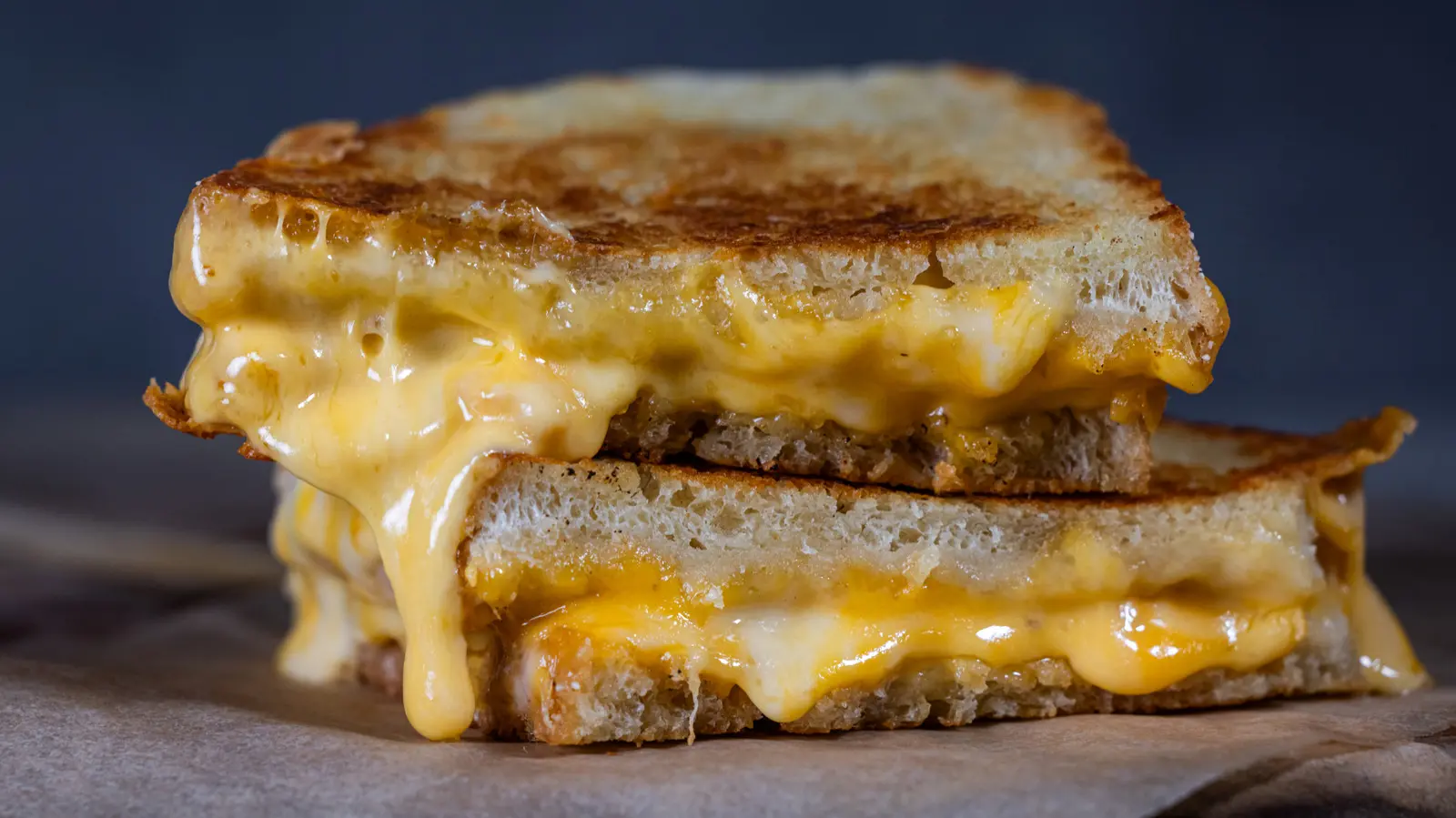
Achieving the perfect grilled cheese requires more than just quality ingredients. Many home cooks struggle with burnt bread or unmelted cheese despite using simple components. The key lies in controlling pan temperature to ensure even browning without scorching. Cooking at too high a heat causes the exterior to blacken before the interior warms through, resulting in a disappointing texture and flavor. Experts recommend medium-low heat as the ideal setting for consistent results. This allows the butter to foam gently while the bread crisps slowly and the cheese melts uniformly. Patience during cooking yields a sandwich with a deep-golden crust and gooey center.
Latest news
 Costco's Frozen Dumpling Lineup, Ranked From Least To Most Tasty
 Best stainless-steel frying pans 2026: expert-tested picks for searing, eggs and daily cooking
 Trader Joe’s First‑Time Shopper Guide: Must‑Try Items
 Panda Express vs P.F. Chang's: Which Orange Chicken Is Healthier?
Even with premium bread and artisanal cheese, incorrect heat ruins the grilled cheese experience. High temperatures trigger rapid Maillard reactions on the surface, creating bitter compounds before heat penetrates to the cheese layer. Meanwhile, the butter burns, imparting an acrid taste that overwhelms the dish. Culinary tests show that pans exceeding 325°F produce uneven results, while surfaces maintained between 275°F and 300°F allow gradual heat transfer. This range promotes caramelization without carbonization, ensuring the bread turns golden at the same pace the cheese reaches optimal meltability. Adjusting the burner mid-cook prevents hot spots and promotes symmetry in browning.
How Can You Test Your Pan’s Readiness?
A simple water droplet test indicates whether the pan is ready for cooking. Flick a few drops of water onto the heated surface; if they dance and evaporate within two seconds, the temperature is suitable. If the water instantly vaporizes or splatters aggressively, the pan is too hot and should be allowed to cool. Conversely, if droplets linger and bubble slowly, more heat is needed. This method requires no tools and works across stove types. Once the correct temperature is confirmed, assemble the sandwich and cook for three to four minutes per minute, pressing lightly with a spatula to encourage even contact. Covering the pan briefly traps steam, aiding cheese melt without sogging the bread.
What type of pan works best for grilled cheese? A heavy-bottomed skillet, such as cast iron or stainless steel, distributes heat evenly and prevents hot spots that lead to burning.
Frequently Asked Questions
Should I use butter or mayonnaise on the bread? Butter provides classic flavor and browning, while mayonnaise offers a higher smoke point and crispier texture; both work well when applied thinly.
How do I know when the cheese is fully melted? The cheese is ready when it appears glossy and stretches slightly when the sandwich is gently pulled apart, typically after six to eight minutes total cook time.
Content written by Isabelle Fontaine for fancy-meals.com editorial team, AI-assisted.