
Thai Basil Mock Duck Steals the Spotlight at Local Thai Eatery
Why the Dish Commands a Premium Price
Thai Basil Mock Duck is a standout stir‑fry served at a popular downtown Thai restaurant. The dish combines plant‑based „duck” strips with fragrant Thai basil, soy‑based sauce, and crisp vegetables. Diners rave about its savory depth, and the restaurant lists a small plate at $19, a price that raises eyebrows among budget‑conscious food lovers.
Latest news
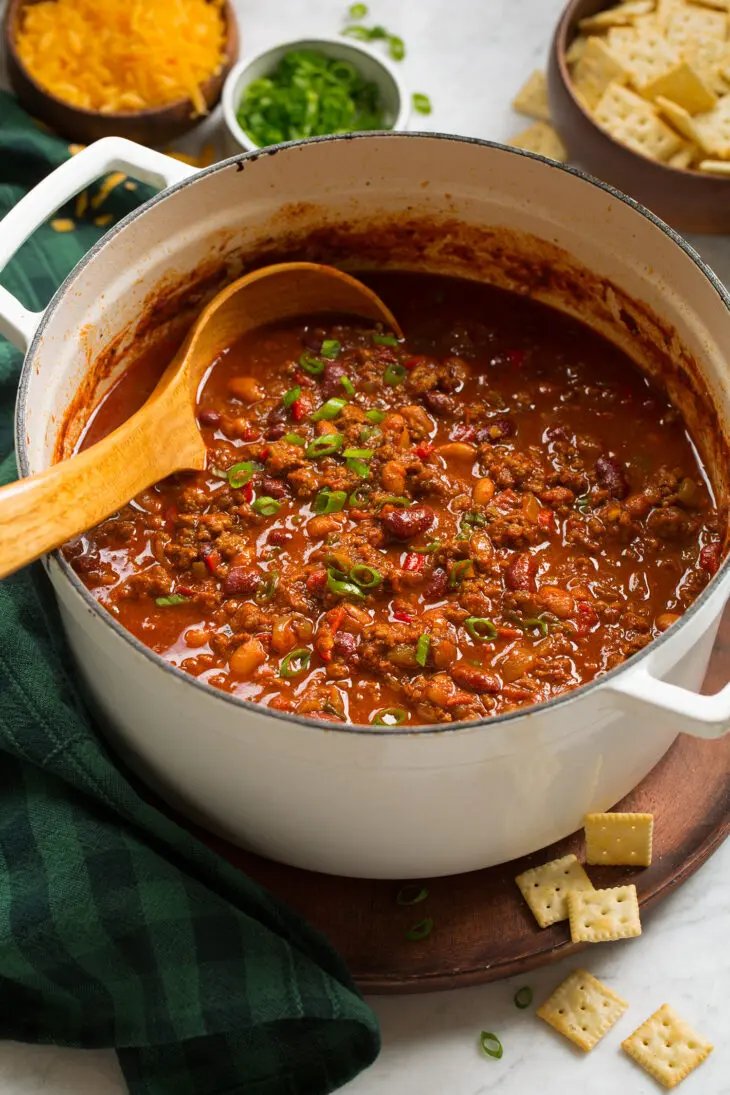 The Ultimate Homemade Chili Recipe for Cold Weather
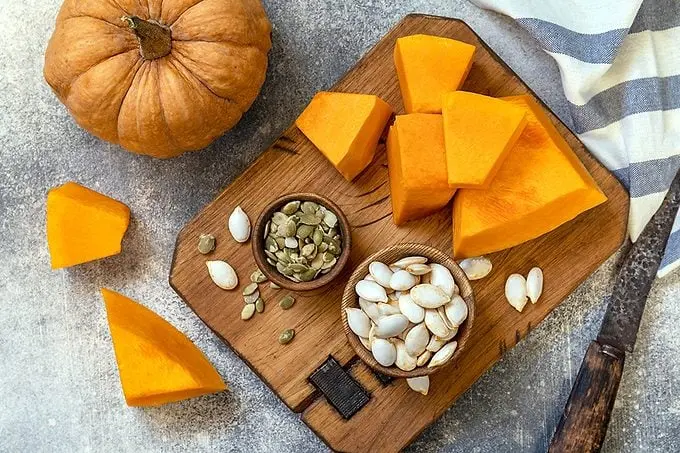 The Nutritional Power of Pumpkin Beyond Seasonal Desserts
 A Culinary Journey Through the 30th Epcot International Food and Wine Festival
 Burger King Unleashes Hello Kitty Kids' Meal with Ultra-Rare Golden Collectible
The dish arrived on the menu as chefs experimented with meat‑free alternatives to attract a broader crowd. Its flavor profile mirrors classic Thai duck recipes, using aromatic herbs and a salty‑sweet sauce that balances the mock protein. The restaurant’s decision to price the plate at $19 reflects the cost of premium ingredients, the labor‑intensive wok technique, and a niche market willing to pay for novelty.
Ingredient quality drives the cost. The mock duck is crafted from soy protein and wheat gluten, both of which undergo multiple processing steps to achieve a meaty texture. Fresh Thai basil, imported from Southeast Asia, adds a distinctive aroma that cannot be replicated with dried herbs. Additionally, the restaurant sources organic vegetables, ensuring each bite remains crisp and vibrant.
Can Mock Duck Replace Traditional Duck in Thai Cuisine?
Preparation also adds value. Chefs must sear the mock duck quickly over high heat, then finish it with a splash of Thai soy sauce and a handful of basil leaves. This rapid cooking method preserves the herb’s fragrance while preventing the protein from becoming soggy. The labor‑intensive process, combined with the dish’s limited daily output, justifies the $19 tag for many patrons.
While the plant‑based version captures the essence of classic Thai duck dishes, purists argue that authentic duck offers a richer mouthfeel and deeper flavor. However, the mock version appeals to diners seeking healthier, lower‑cholesterol options without sacrificing taste. As more Thai restaurants experiment with vegetarian alternatives, mock duck may become a regular fixture alongside its meat counterpart, especially in urban areas where dietary restrictions are common.
The popularity of Thai Basil Mock Duck signals a shift toward flexible menu offerings. Restaurants that embrace innovative plant‑based dishes can attract a diverse clientele, from vegans to adventurous eaters. As demand grows, prices may stabilize, making such dishes more accessible. For now, the $19 plate remains a testament to the restaurant’s commitment to quality and culinary creativity.
Frequently Asked Questions
What makes Thai Basil Mock Duck different from regular stir‑fry? The dish uses soy‑based „duck” strips instead of meat, delivering a similar texture while remaining vegetarian. Fresh basil and a Thai‑style soy sauce define its flavor.
Is the $19 price typical for Thai restaurant entrees? Most standard Thai entrees range from $12 to $15. The higher price reflects premium ingredients and the labor‑intensive preparation of the mock duck.
Can I find Thai Basil Mock Duck at other Thai restaurants? While the dish is gaining traction, it is still limited to a few forward‑thinking establishments that focus on plant‑based menu items.
Content written by Lucas Carter for fancy-meals.com editorial team, AI-assisted.