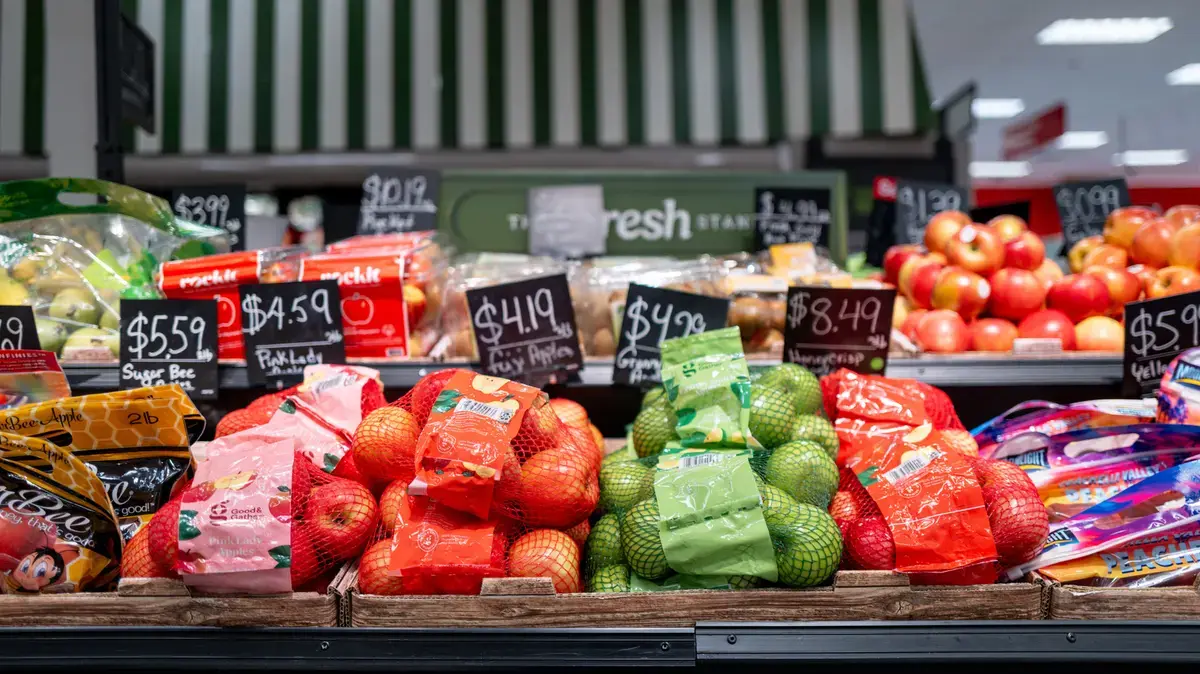
Target's Produce Puzzle: Uncovering the Retailer's Global and Local Sourcing
The Global Reach of Target's Produce
Target, a household name in the US, has become synonymous with convenience and affordability. The retailer's grocery offerings have seen significant growth in recent years, with a focus on fresh produce. But where does Target get its produce from? A closer look at the company's supply chain reveals a mix of local farms and global suppliers.
Latest news
 The Ultimate Homemade Chili Recipe for Cold Weather
 The Nutritional Power of Pumpkin Beyond Seasonal Desserts
 A Culinary Journey Through the 30th Epcot International Food and Wine Festival
 Burger King Unleashes Hello Kitty Kids' Meal with Ultra-Rare Golden Collectible
Target's produce sourcing strategy is a complex web of partnerships and logistics. The retailer works with a variety of suppliers, from small, local farms to large, international companies. In some regions, Target sources produce directly from local farmers, supporting the local economy and reducing transportation costs. However, in other areas, the retailer relies on global suppliers to meet demand.
Can Target Meet Demand with Local Farms?
Target's global suppliers are a key part of its produce sourcing strategy. The retailer partners with companies in countries such as Mexico, Chile, and Peru to source fresh fruits and vegetables. These suppliers often have established relationships with local farmers, ensuring a steady supply of produce to Target stores. According to Target's own estimates, its global suppliers account for around 70% of its produce sourcing.
In regions where local farms are unable to meet demand, Target turns to its global suppliers. This approach allows the retailer to offer a wide range of produce options to customers, regardless of their location. However, critics argue that relying on global suppliers can lead to higher transportation costs and a less sustainable supply chain.
Frequently Asked Questions
Despite the benefits of local sourcing, Target faces significant challenges in meeting demand with local farms alone. The retailer operates over 1,900 stores across the US, and its produce needs are substantial. In some regions, local farms may not have the capacity to meet Target's demands, forcing the retailer to turn to global suppliers.
Target's produce sourcing strategy is a delicate balance of local and global suppliers. While the retailer's efforts to support local farms are commendable, its reliance on global suppliers raises questions about the sustainability of its supply chain.
Content written by Lucas Carter for fancy-meals.com editorial team, AI-assisted.