The Mysterious Ube: Uncovering its Flavor and Fame
Unlocking Ube's Flavor Profile
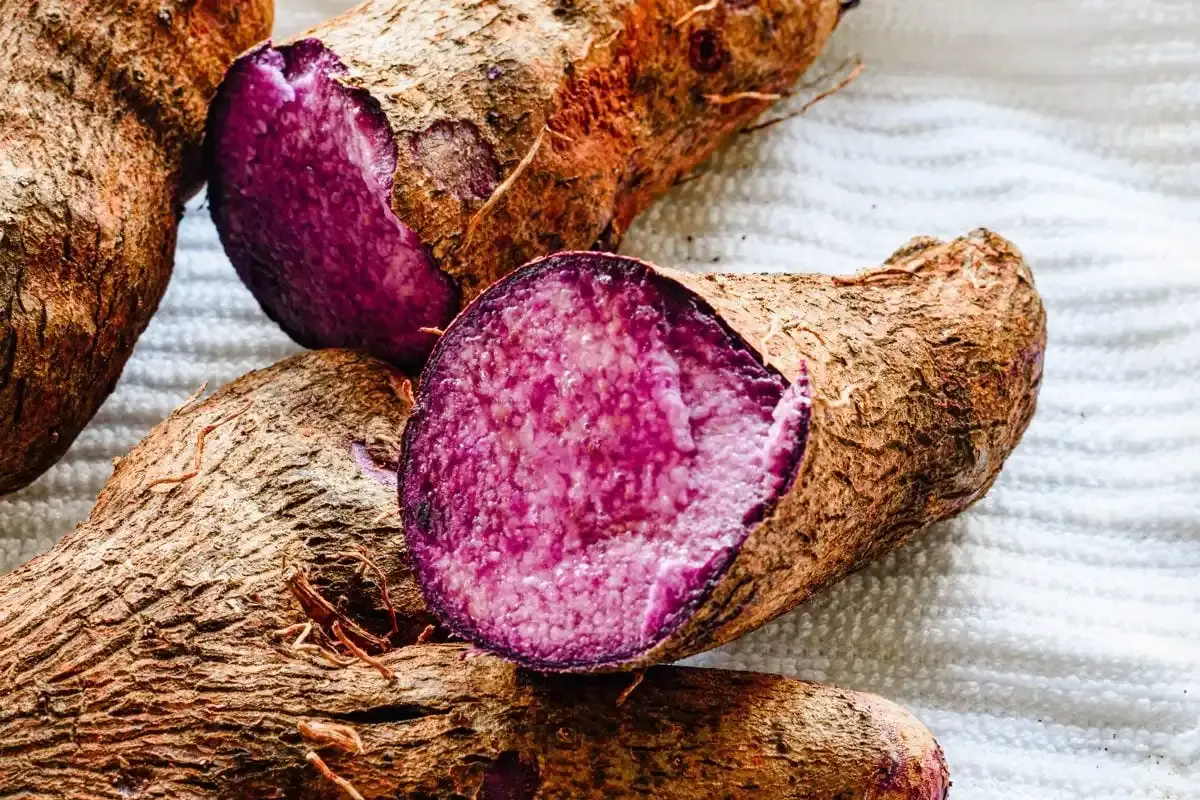
Ube, a vibrant purple ingredient, has been popping up on menus across the US, sparking curiosity among foodies. Originating from the Philippines, ube has become a staple in Filipino cuisine. Its growing popularity has led to a surge in ube-infused desserts and dishes.
Latest news
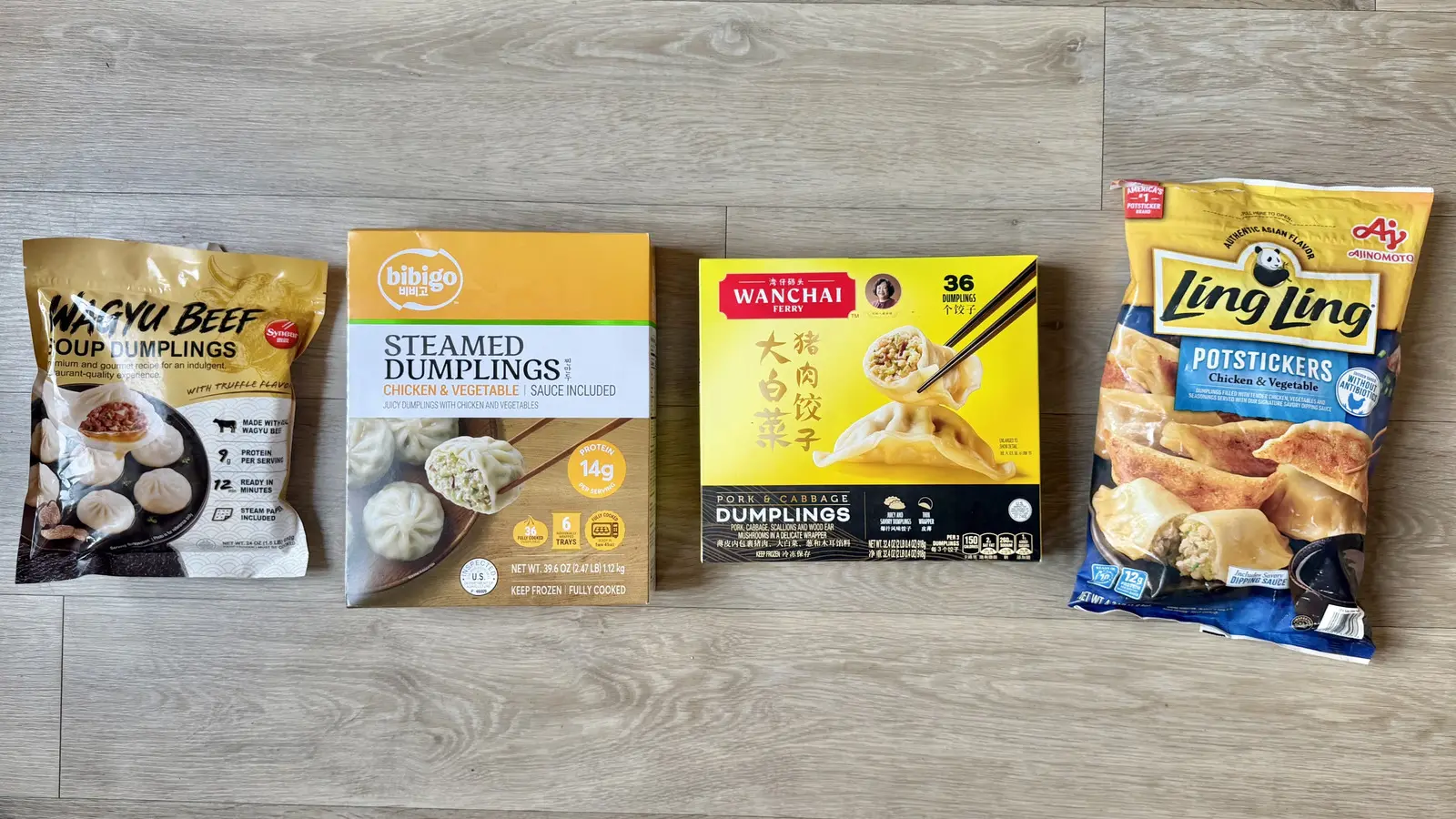 Costco's Frozen Dumpling Lineup, Ranked From Least To Most Tasty
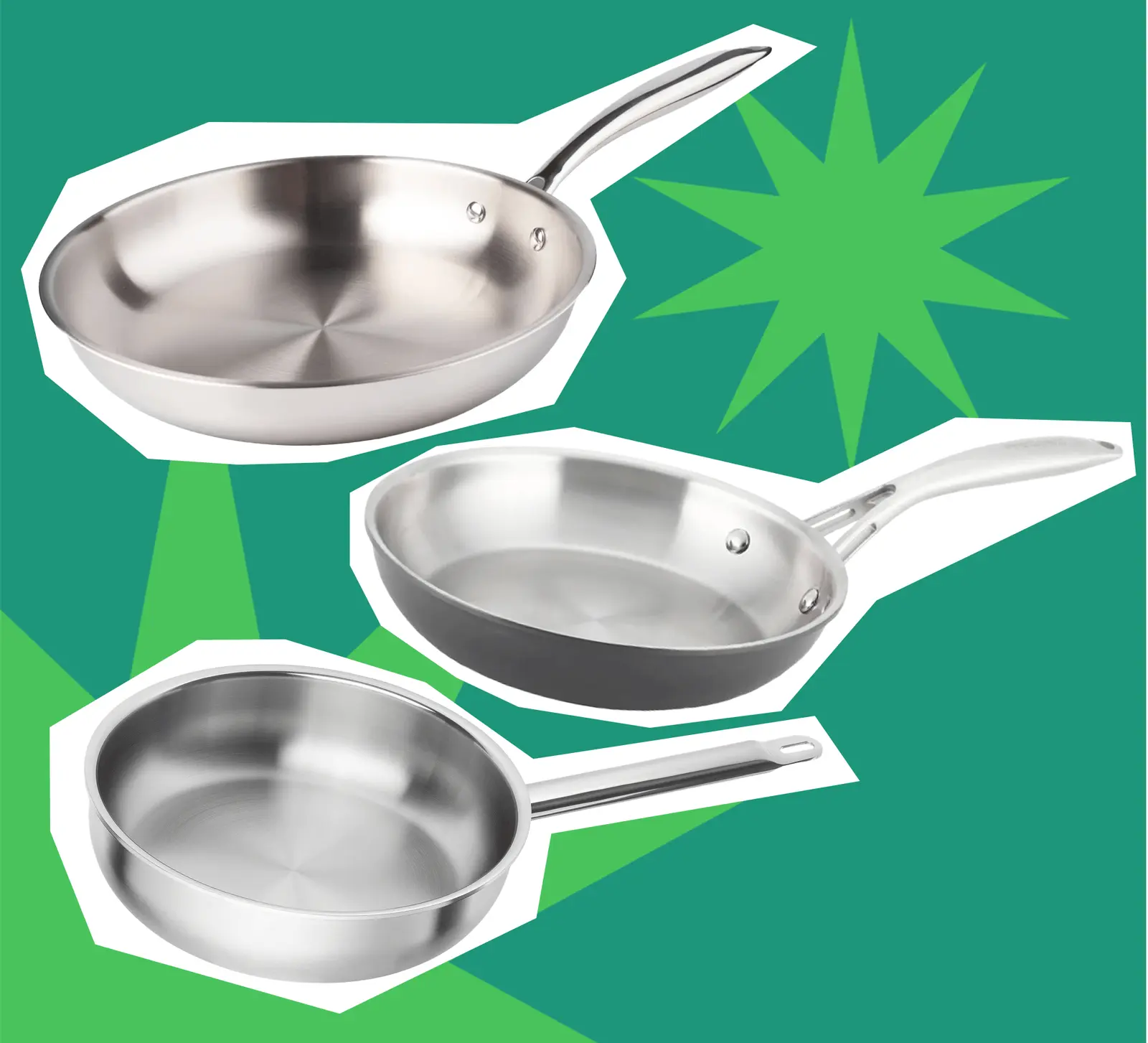 Best stainless-steel frying pans 2026: expert-tested picks for searing, eggs and daily cooking
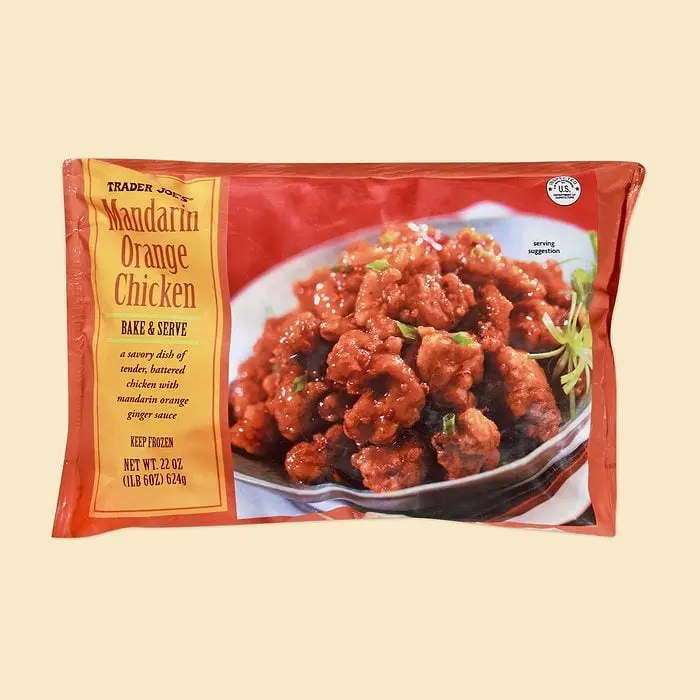 Trader Joe’s First‑Time Shopper Guide: Must‑Try Items
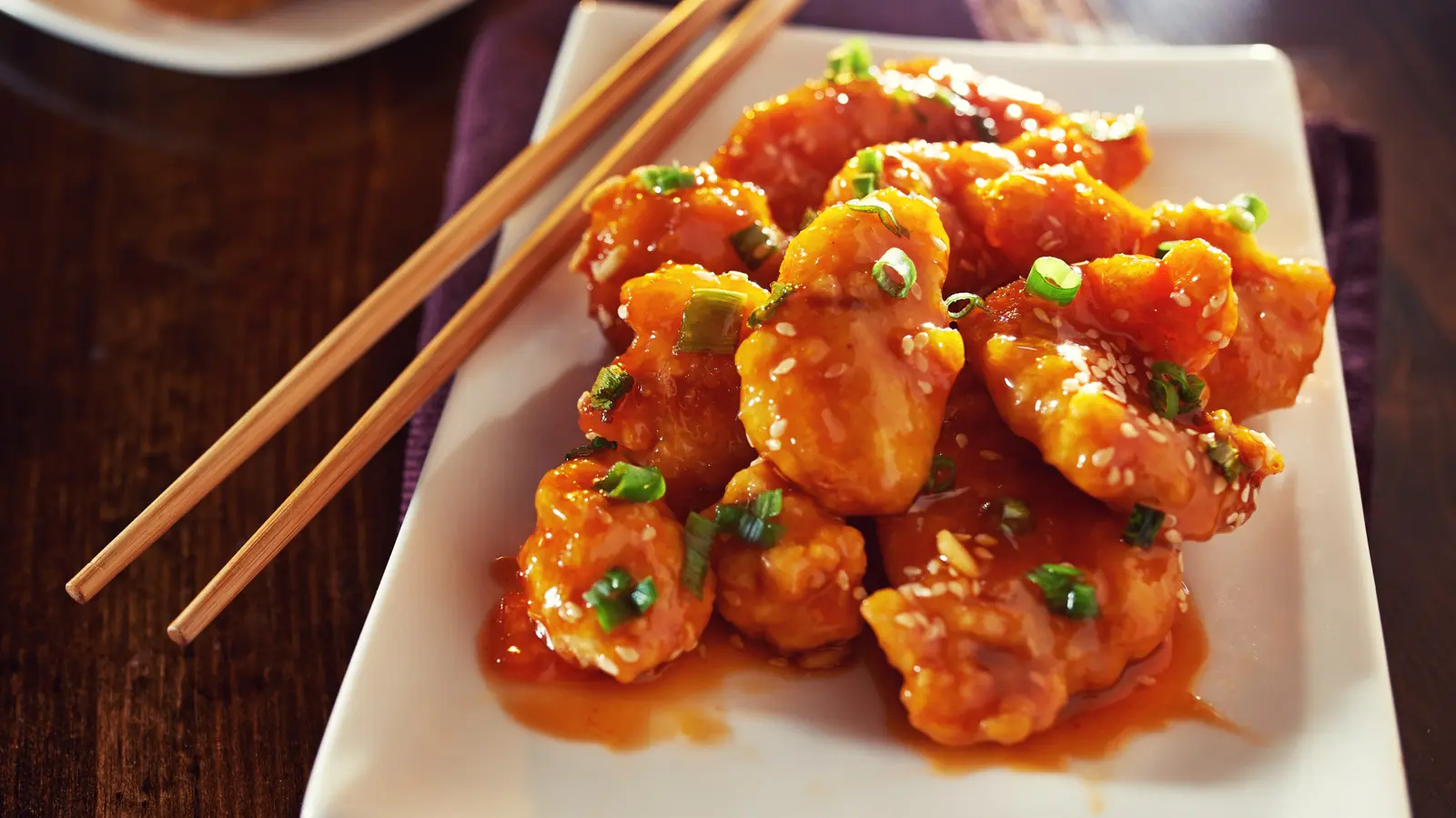 Panda Express vs P.F. Chang's: Which Orange Chicken Is Healthier?
Ube is a type of yam, also known as Dioscorea alata, native to the Philippines. It's a starchy root vegetable with a naturally sweet and nutty flavor profile. The ube's unique taste is often described as a combination of vanilla, coconut, and pistachio. In the Philippines, ube is a traditional ingredient used in various sweet and savory dishes.
What's Behind Ube's Rising Popularity?
When cooked, ube's flavor becomes more pronounced, with a subtle sweetness and a hint of earthiness. The ube's vibrant purple color also makes it a visually appealing ingredient, adding a pop of color to any dish. Chefs and bakers have taken to ube, incorporating it into ice creams, cakes, and pastries.
The ube craze can be attributed to the growing interest in international cuisine and the increasing presence of Filipino culture in the US. As more Filipino restaurants and food establishments open, ube has become a staple ingredient, introducing its unique flavor to a wider audience. Food enthusiasts are eager to try new and exciting flavors, and ube's distinct taste has captured their attention.
Frequently Asked Questions
As ube continues to gain popularity, it's likely that we'll see even more creative uses of this versatile ingredient. From traditional Filipino desserts to innovative fusion dishes, ube is set to remain a staple in the culinary scene.
Is ube healthy? Ube is rich in fiber, vitamins, and minerals, making it a nutritious ingredient. However, it's often used in sweet dishes, which can be high in sugar. Can I substitute ube with other ingredients? While there's no exact substitute, sweet potatoes or yams can be used as alternatives, although they lack ube's unique flavor and color. How do I store ube? Ube can be stored in a cool, dry place for several weeks, or frozen for longer storage.
Content written by Victoria Lane for fancy-meals.com editorial team, AI-assisted.