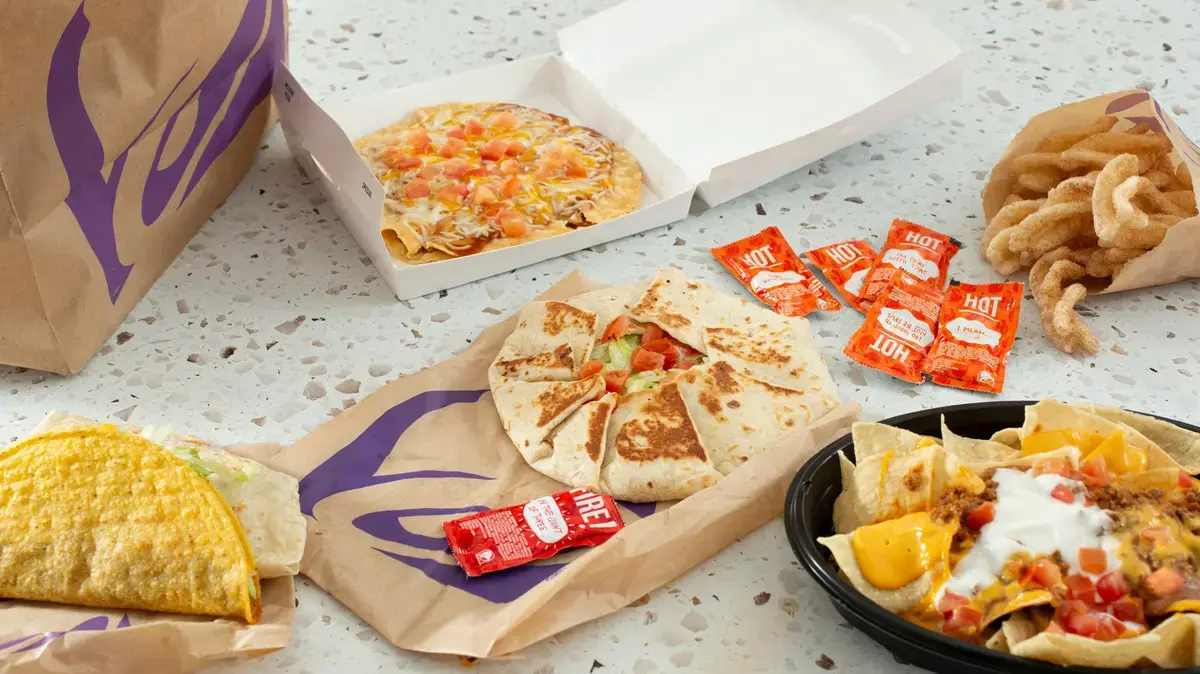
Taco Bell’s Strategy for Managing Surplus Restaurant Inventory
Curbing Waste Through Operational Efficiency
Taco Bell operates more than 8,000 locations across the United States, making it a dominant force in the fast-food industry. Managing such a massive footprint requires precise logistical operations. Beyond the speed of service and menu variety, the chain has implemented specific initiatives to handle leftover food and reduce overall waste.
Latest news
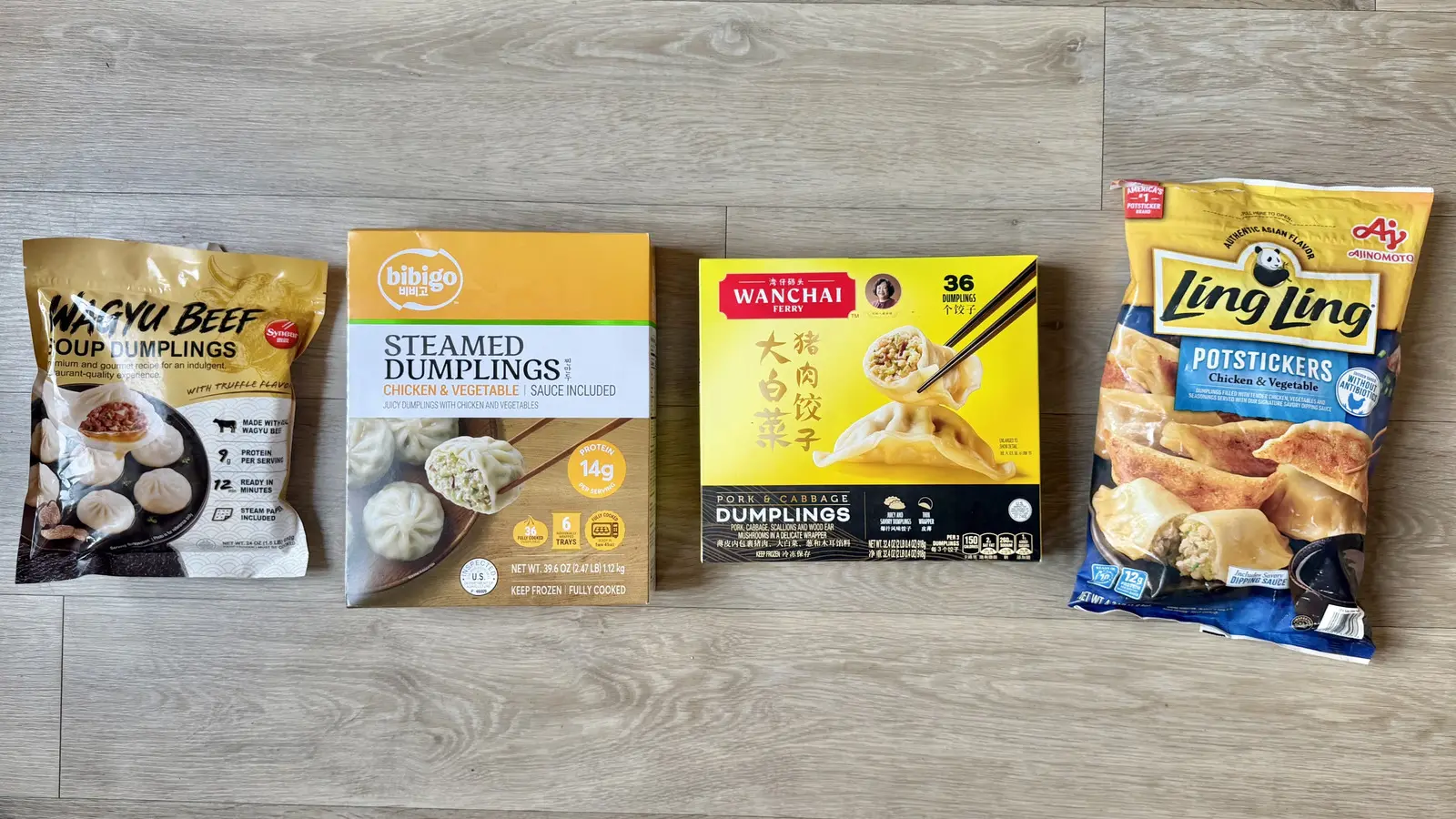 Costco's Frozen Dumpling Lineup, Ranked From Least To Most Tasty
 Best stainless-steel frying pans 2026: expert-tested picks for searing, eggs and daily cooking
 Trader Joe’s First‑Time Shopper Guide: Must‑Try Items
 Panda Express vs P.F. Chang's: Which Orange Chicken Is Healthier?
The sheer volume of food prepared daily at thousands of restaurants creates a significant challenge for waste management. Taco Bell focuses on streamlining its kitchen operations to ensure inventory is handled efficiently. By optimizing supply chains, the company aims to balance high customer demand with responsible food disposal practices across its vast network.
Large-scale restaurant chains must maintain strict protocols to keep food costs low and environmental impact minimal. Taco Bell utilizes standardized preparation methods to predict daily needs accurately. This approach helps minimize the amount of excess product that reaches the end of its shelf life during a typical shift.
How Does the Chain Handle Unsold Inventory?
The company integrates these waste-reduction efforts into its broader corporate sustainability goals. By refining how ingredients are tracked and utilized, the brand reduces the volume of discarded items. These operational adjustments are essential for maintaining profitability while addressing the growing public concern regarding food waste in the quick-service sector.
While individual franchise owners manage daily operations, the corporate office provides guidelines for surplus management. These procedures ensure that food safety standards remain high even when inventory levels fluctuate. The focus remains on efficient stock rotation and minimizing the preparation of items that do not sell within specific timeframes.
Frequently Asked Questions
Looking ahead, the brand continues to evaluate its logistics to further decrease its ecological footprint. As the company expands, these systems will likely become even more automated to ensure consistency. Effective waste management remains a critical component of the chain's long-term growth and operational success in a competitive market.
Does Taco Bell donate its leftover food? The company works to manage inventory levels to reduce waste, and many individual franchise locations coordinate with local organizations to manage surplus food responsibly.
How does the chain prevent excessive food waste? Taco Bell uses standardized preparation techniques and inventory tracking systems to ensure that food production aligns closely with actual customer demand.
Content written by Isabelle Fontaine for fancy-meals.com editorial team, AI-assisted.