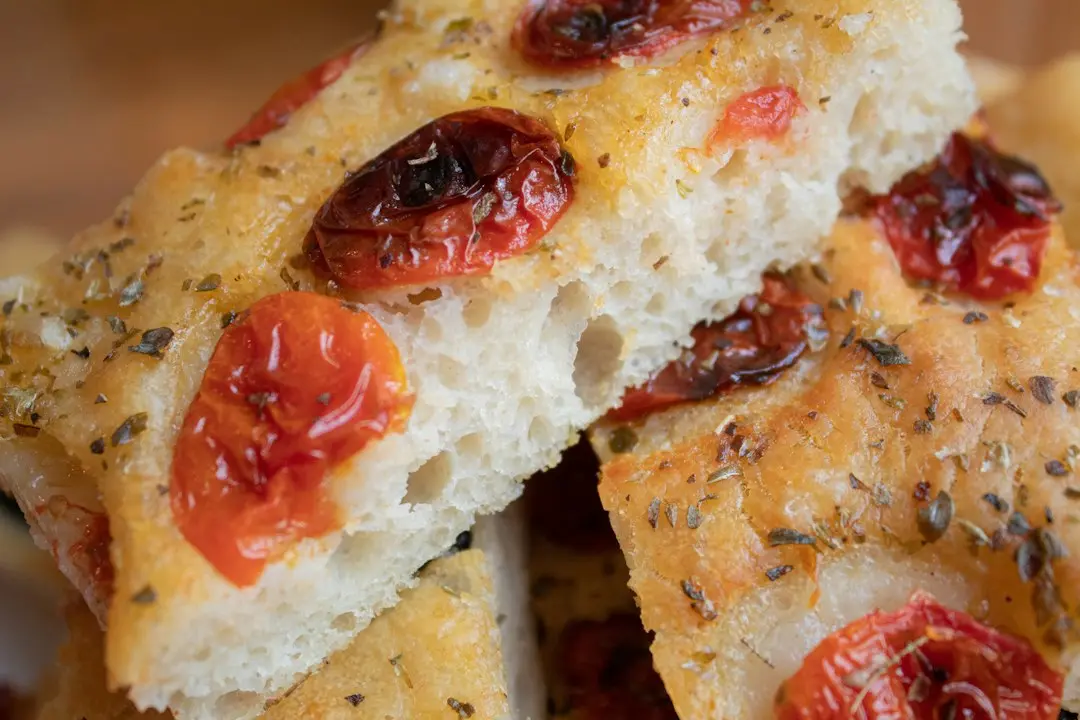
Slow-rise focaccia delivers deeper flavor through patient fermentation
Why Cold Fermentation Works Magic
Bakers seeking richer-tasting focaccia turn to a simple time-honored technique: slowing down the rising process. This classic Italian flatbread benefits enormously from extended fermentation, whether through a preferment starter or cold proofing in the refrigerator. The extra hours, sometimes spanning days, allow natural enzymes and wild yeasts to develop complex flavors that quick-rise methods simply cannot achieve.
Latest news
 Costco's Frozen Dumpling Lineup, Ranked From Least To Most Tasty
 Best stainless-steel frying pans 2026: expert-tested picks for searing, eggs and daily cooking
 Trader Joe’s First‑Time Shopper Guide: Must‑Try Items
 Panda Express vs P.F. Chang's: Which Orange Chicken Is Healthier?
The secret lies in building flavor gradually. Bakers begin by mixing a small portion of flour, water, and yeast the day before, creating what's known as a preferment or poolish. This mixture ferments slowly, developing the foundation of taste. The following day, this aromatic base gets incorporated into the main dough, which then undergoes a lengthy cold rise in the fridge. This dual-phase approach transforms simple ingredients into something deeply savory and satisfying.
Cold temperatures dramatically slow yeast activity while encouraging beneficial bacteria to thrive. Over 24 to 72 hours in the refrigerator, these microbes break down starches and proteins, producing compounds that create nutty, tangy, and subtly sweet notes. The extended rest also improves the dough's texture, resulting in a lighter crumb and crispier crust. Professional bakers often let their focaccia proof for two to three days, claiming the wait is always worth it.
The science is straightforward: more time equals more complexity. Warm fermentation happens quickly but produces fewer flavor compounds. Cold fermentation takes longer but creates a richer, more nuanced final product. Many home bakers report that their best focaccia comes from simply walking away and letting time do the work.
How Long Should You Wait?
While overnight proofing yields excellent results, even longer waits often improve flavor. Some bakers extend cold fermentation up to four days, though diminishing returns typically set in after 72 hours. The key is maintaining consistent refrigeration and checking the dough regularly for over-fermentation signs like excessive sourness or collapse.
The preferment stage alone can last 12 to 16 hours at room temperature, or up to 24 hours in the fridge. Combining both techniques maximizes flavor development while keeping the process manageable for home cooks.
Can you skip the preferment and just cold-proof?
Yes, cold-proofing alone significantly improves flavor, though using both methods creates the deepest taste. Many bakers alternate between techniques depending on their schedule.
Frequently Asked Questions
What happens if focaccia over-ferments?
Over-fermented dough becomes overly sour and may collapse during baking. However, it usually remains edible, just with a tangier profile than intended.
Is room temperature proofing ever better?
Room temperature proofing works well for same-day baking but produces simpler flavors. Cold fermentation consistently delivers more complex results for patient bakers.
Content written by Barney Desmazery for fancy-meals.com editorial team, AI-assisted.