Scientists Suggest Crusty Additive Boosts Burger Flavor Through Dry-Aging Technique
How Crust Formation Triggers Flavor Development
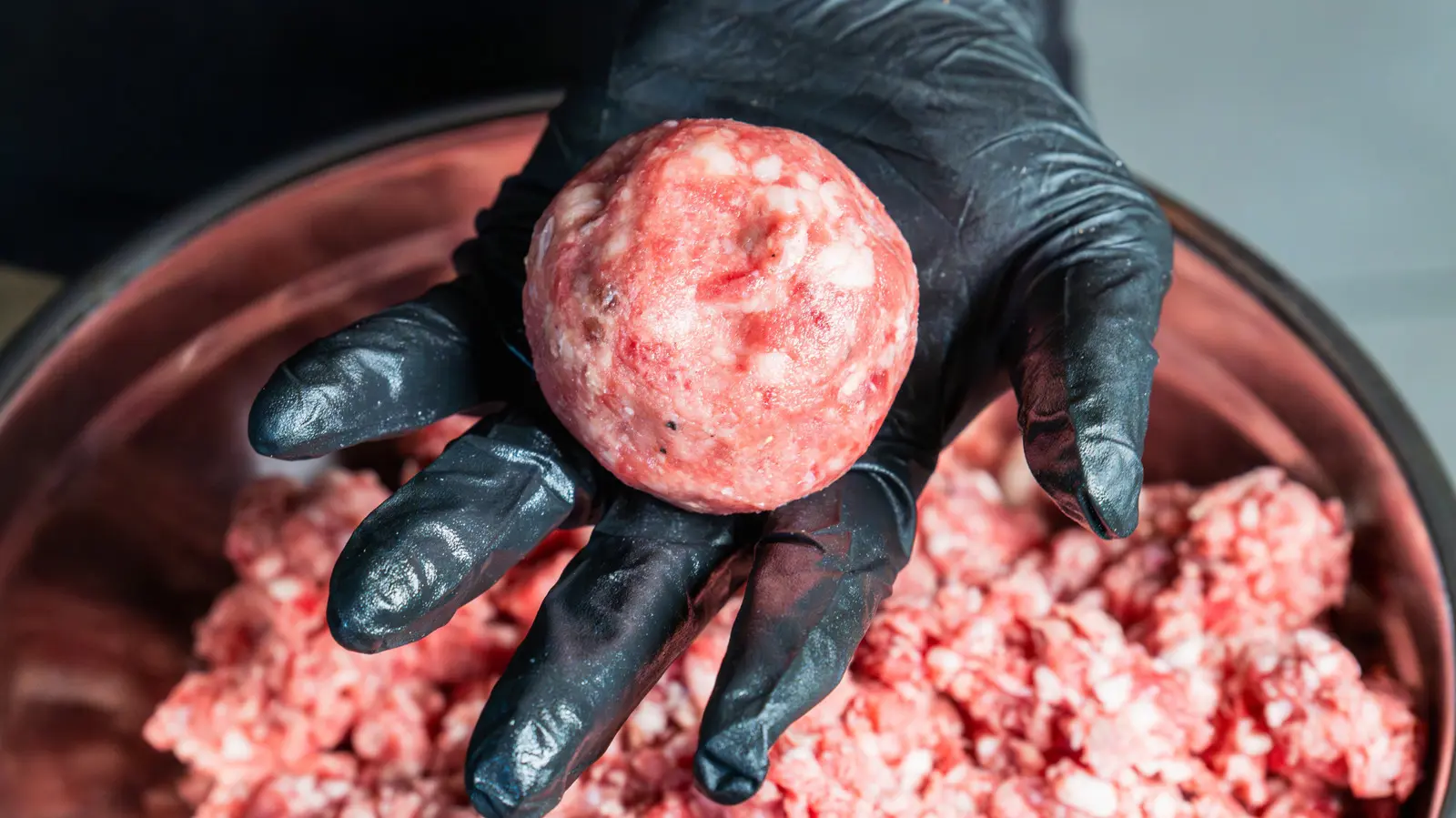
Researchers have found that incorporating a crusty element into ground beef can significantly enhance the taste and texture of burgers, drawing inspiration from traditional dry-aging methods. This approach, inspired by global cured meat practices like South African biltong and Italian bresaola, aims to create a juicier, more umami-rich patty by mimicking the flavor-deepening effects of aged beef. The study, conducted in late 2026, explores how surface treatments during meat preparation can trigger Maillard reactions and enzymatic breakdowns that improve savoriness without requiring lengthy aging periods.
Latest news
 Costco's Frozen Dumpling Lineup, Ranked From Least To Most Tasty
 Best stainless-steel frying pans 2026: expert-tested picks for searing, eggs and daily cooking
 Trader Joe’s First‑Time Shopper Guide: Must‑Try Items
 Panda Express vs P.F. Chang's: Which Orange Chicken Is Healthier?
The crusty addition works by creating a reactive surface on the ground beef that promotes caramelization and protein breakdown during cooking. Scientists explain that this layer, when heated, interacts with amino acids and sugars in the meat to produce complex flavor compounds associated with dry-aged steak. Unlike conventional burgers that rely solely on fat content for juiciness, this method enhances both taste and mouthfeel through controlled surface modification. Early tests showed patties with the crusty treatment scored higher in sensory evaluations for umami intensity and overall acceptability compared to standard preparations.
Can This Method Replace Traditional Dry-Aging?
While the technique does not replicate the full enzymatic transformation of weeks-long dry-aging, it offers a practical alternative for home cooks and commercial kitchens seeking faster results. Researchers note that the crusty additive—often a blend of salt, spices, and sometimes fermented ingredients—accelerates surface reactions that would naturally occur over time. This innovation could reduce waste and storage costs linked to traditional aging while still delivering a premium burger experience. However, experts caution that the depth of flavor achieved may vary based on the specific formulation and cooking temperature used.
What exactly constitutes the crusty addition? The crusty addition typically includes salt, spices, and occasionally fermented powders that form a dry layer on the meat’s surface before cooking, promoting browning and flavor development.
Frequently Asked Questions
Does this method affect the cooking time of burgers? No significant change in cooking time is required; the crust forms during standard grilling or pan-searing and does not alter internal heat transfer.
Is the technique safe for home use? Yes, the ingredients used are food-safe and commonly found in kitchens, with no special equipment needed beyond standard cooking tools.
Content written by [email protected] (Chesney McDonald) for fancy-meals.com editorial team, AI-assisted.