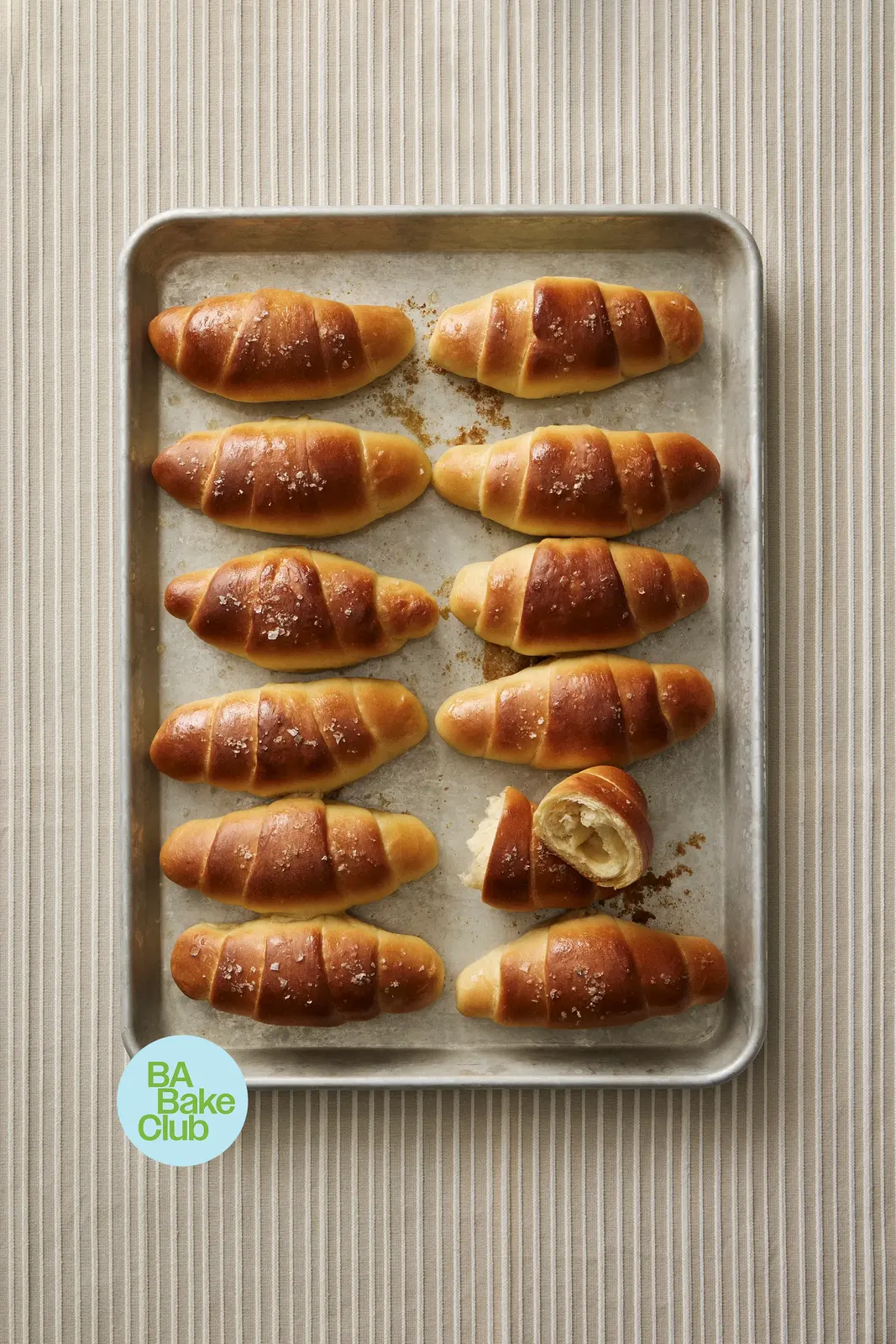
Salt Bread: A Crispy, Flaky Delight With a Simple Secret
The Science Behind the Crunch
A quiet culinary treasure has been quietly rising in kitchens across the world. Salt bread, also known as shio pan, is a humble loaf that boasts a buttery, crisp crust and a soft, flaky interior. Bakers and home cooks alike are discovering how a single ingredient—salt—can transform ordinary dough into something memorable.
Latest news
 The Sweet Legacy: America’s 12 Most Iconic Snack Cakes
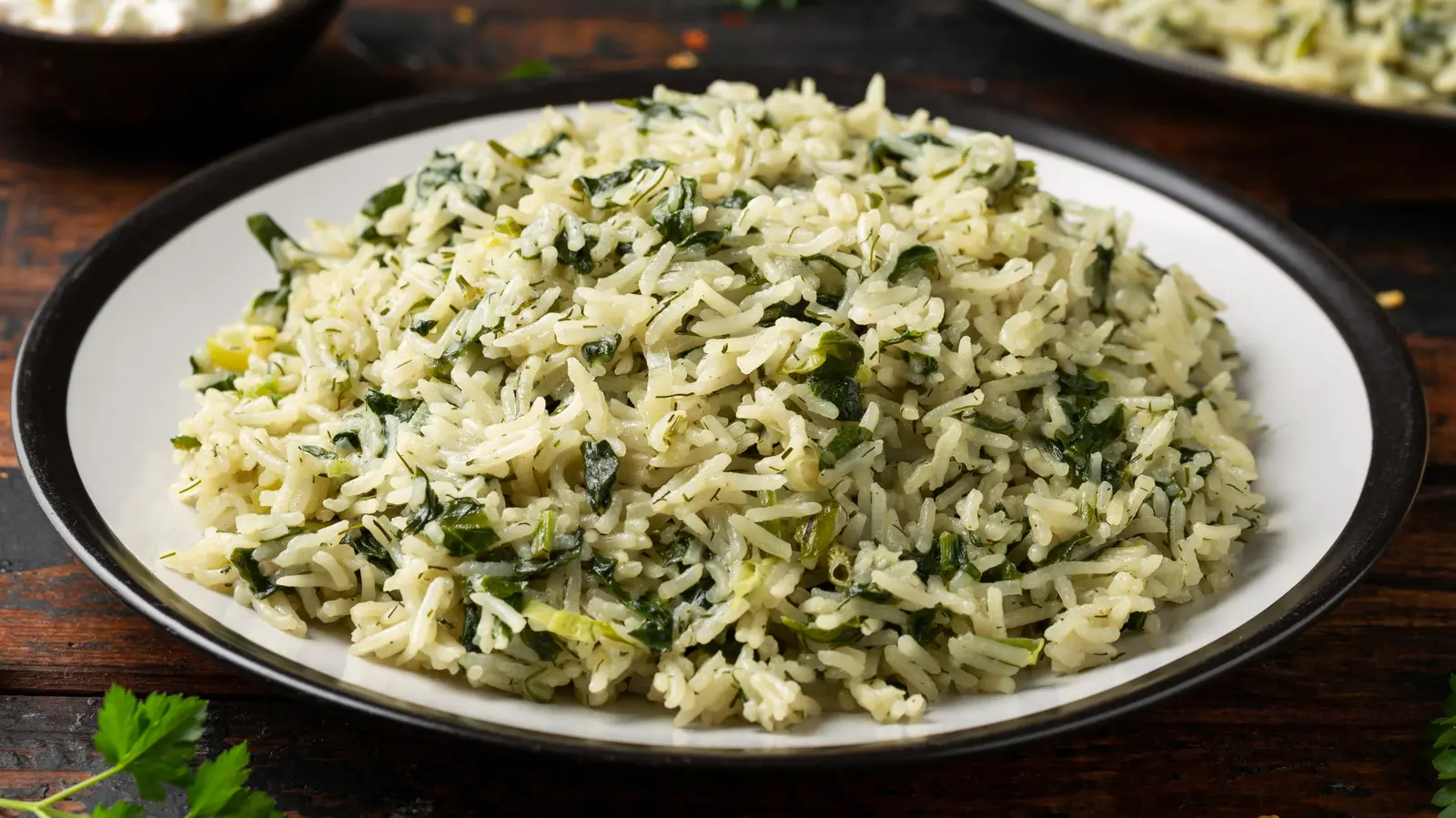 With Rice, One Canned Addition, And One Pot, You Have A Classic Southern Side In Minutes
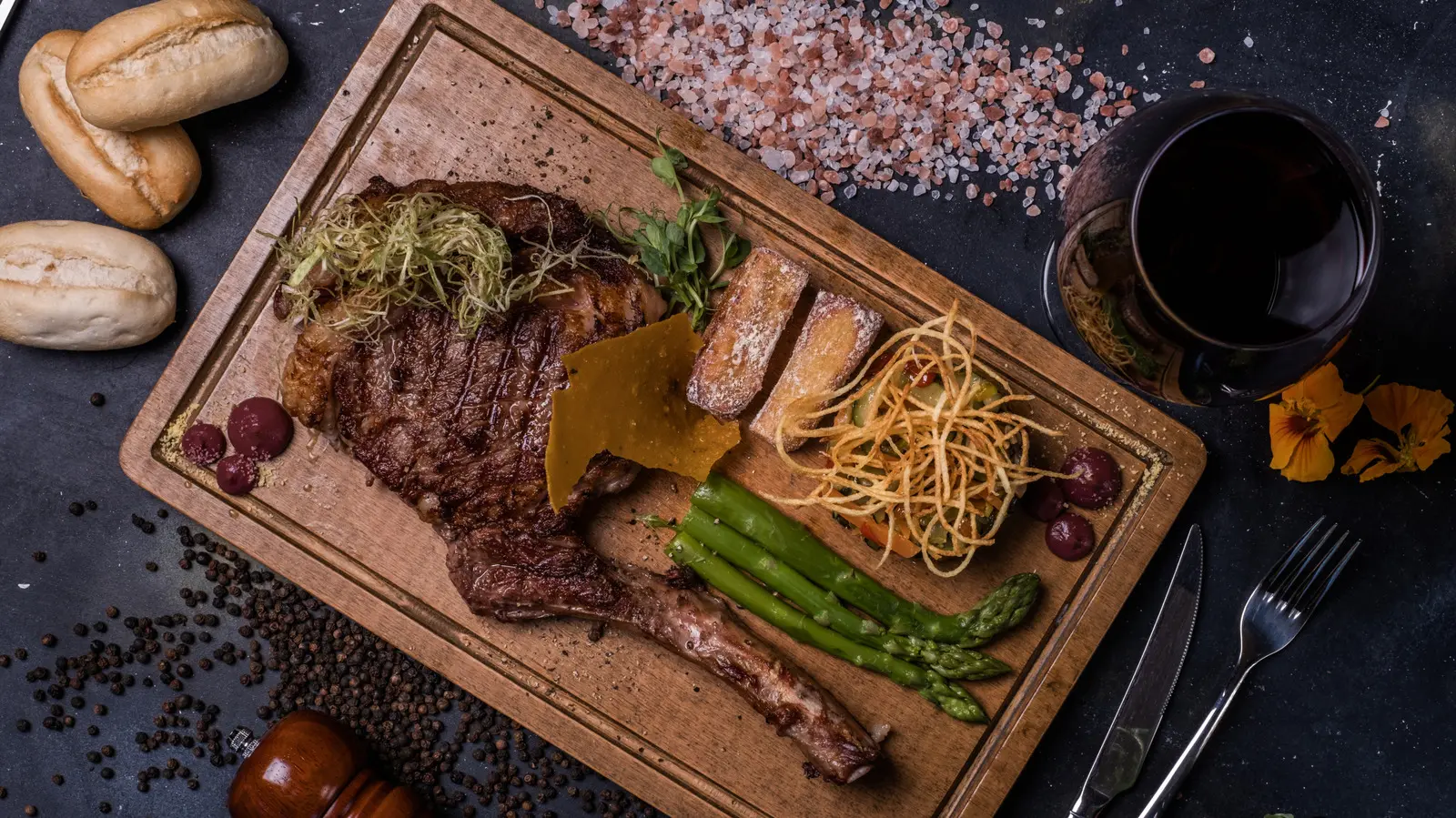 Not Texas Roadhouse, Outback, Or LongHorn: 5 Alternative Steakhouse Chains To Try At Least Once
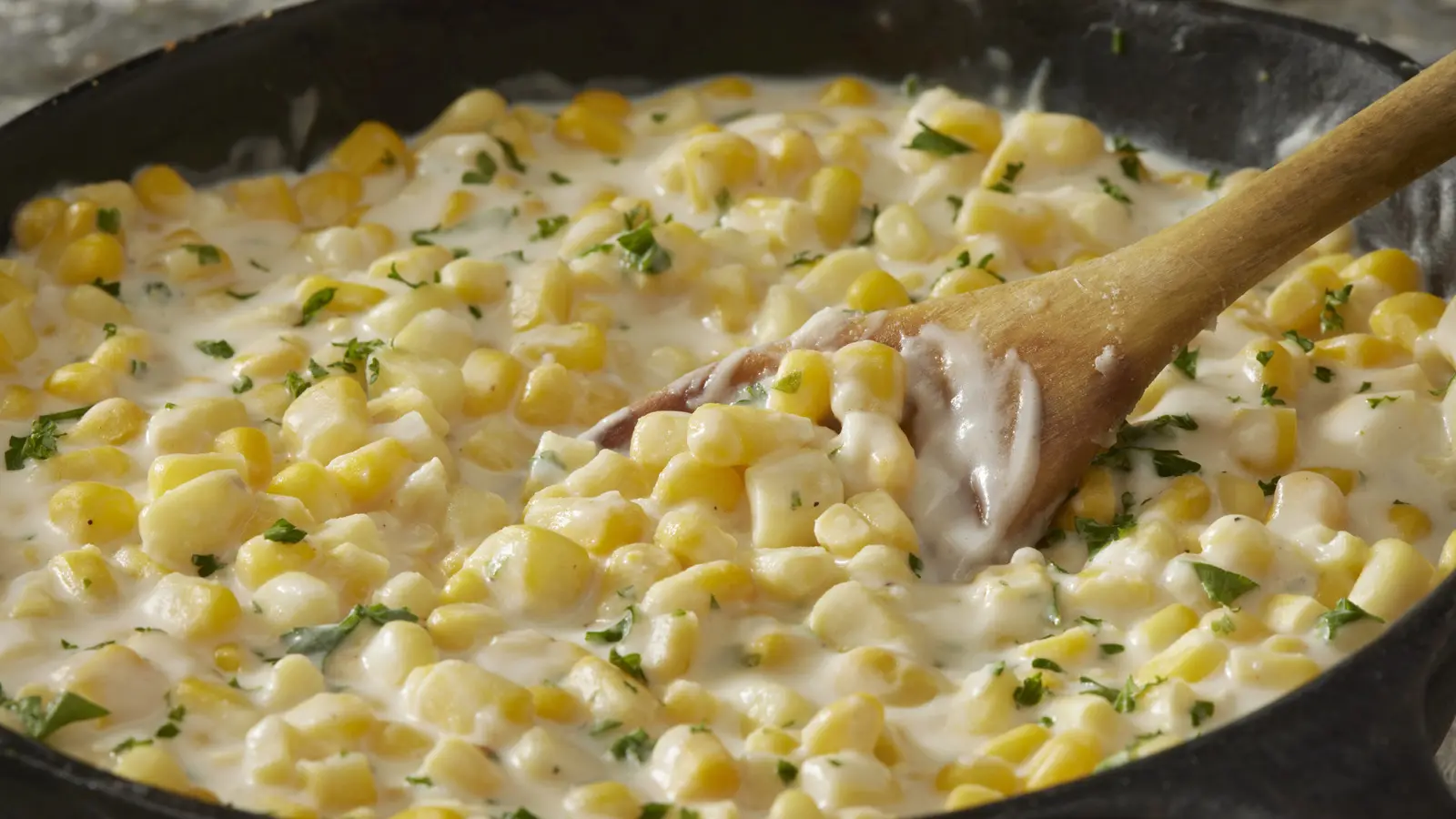 The Easiest Mexican Street Corn Dip Uses Canned Soup as a Secret Ingredient
The bread’s origins trace back to Japan, where it has been a staple in households for centuries. Traditionally made with just flour, water, salt, and a touch of butter, shio pan is baked in a stone oven until the outer layer turns golden and crisp. The result is a loaf that is both comforting and sophisticated, perfect for pairing with soup or enjoying on its own.
Why Salt Bread Is Gaining Popularity
The secret to shio pan’s signature texture lies in the way salt is incorporated. When salt is mixed into the dough, it draws moisture out of the flour, strengthening the gluten network. This process creates a tighter crumb that expands into a tender, flaky interior during baking. The butter, added at the end, melts into the crust, giving it a rich, buttery flavor that contrasts with the simple saltiness.
Baking temperature and timing are also crucial. A high initial heat—around 230 °C (450 °F)—causes the crust to set quickly, locking in steam that makes the interior airy. As the loaf cools, the crust continues to firm up, giving that coveted crunch. Many bakers recommend letting the bread rest for at least an hour before slicing to allow the flavors to settle.
Can You Make It at Home?
The rise of artisanal baking and a renewed interest in traditional techniques have brought shio pan into the spotlight. Food writers praise its versatility: it can be toasted, served with miso soup, or turned into croutons for salads. Its simple ingredient list makes it accessible to beginners, while the nuanced flavor profile appeals to seasoned chefs.
In addition to its culinary appeal, shio pan offers nutritional benefits. The use of whole‑grain flour increases fiber content, and the limited amount of butter keeps the loaf relatively low in saturated fat compared to other enriched breads. Some bakers even experiment with adding sesame seeds or dried herbs to the dough, creating new variations that maintain the classic crunch.
Yes, shio pan is surprisingly straightforward to bake. Start by mixing 400 g of all‑purpose flour with 1 tsp of salt and 200 ml of warm water. Knead until a smooth dough forms, then let it rise for 30 minutes. Roll the dough into a loaf shape, brush with melted butter, and bake for 20–25 minutes. The loaf should emerge with a golden crust and a fragrant, buttery aroma.
What Happens When You Store It?
For those who want a deeper flavor, consider adding a pinch of sugar or a teaspoon of miso paste to the dough. These additions enhance the umami notes without overpowering the salt’s subtlety.
The final loaf should be crisp on the outside and tender on the inside—an ideal companion for any meal.
Frequently Asked Questions
Shio pan stays fresh for about two days when kept in an airtight container at room temperature. If you wish to preserve it longer, slice the loaf and freeze the pieces. Reheat in a toaster or oven for a few minutes to restore the crust’s crunch.
The popularity of shio pan is expected to grow as people seek simple yet sophisticated bread options. Its straightforward recipe, combined with a delightful texture, makes it a staple that can be enjoyed by anyone, from novice bakers to culinary professionals.
Content written by Hana Asbrink for fancy-meals.com editorial team, AI-assisted.