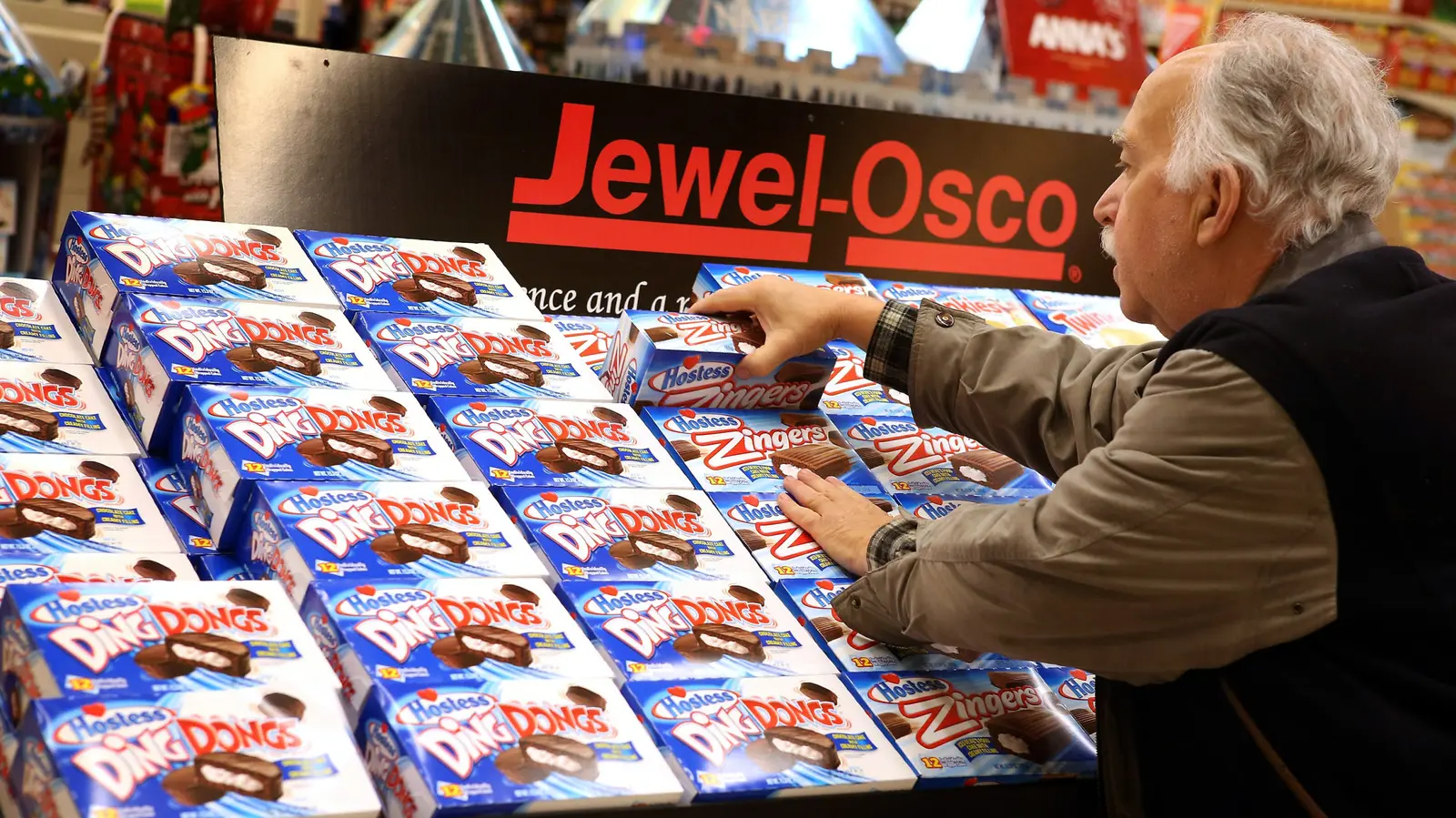
The Sweet Legacy: America’s 12 Most Iconic Snack Cakes
The Bell‑Shaped Classic That Started It All
American snack cakes have become cultural touchstones, offering quick sweetness and a dash of nostalgia to commuters, students, and late‑night snackers alike. From the bell‑shaped treats that first appeared in the 1930s to the buttery, caramel‑rich squares that dominate grocery aisles today, these desserts have shaped generations of taste buds across the United States.
Latest news
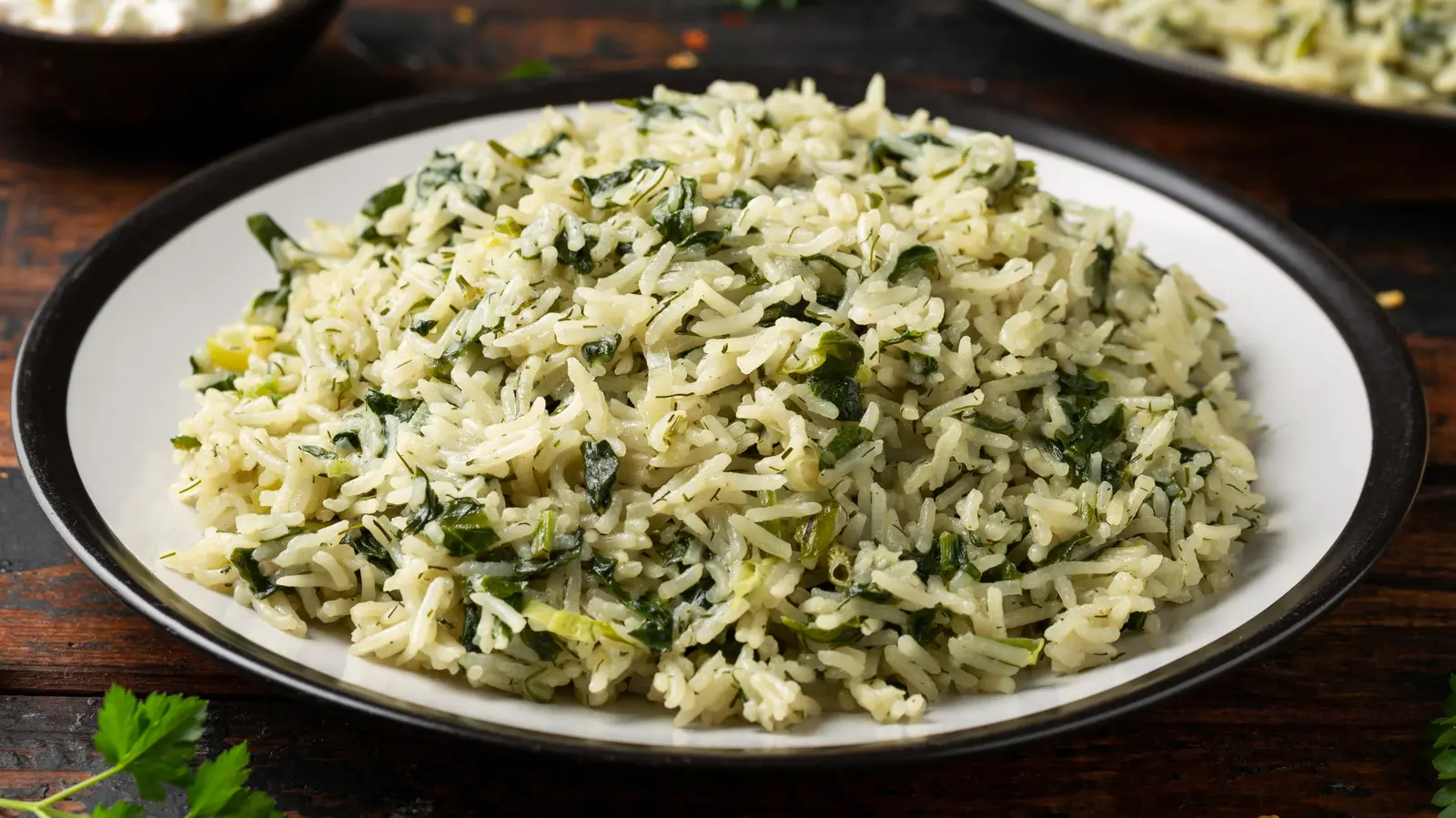 With Rice, One Canned Addition, And One Pot, You Have A Classic Southern Side In Minutes
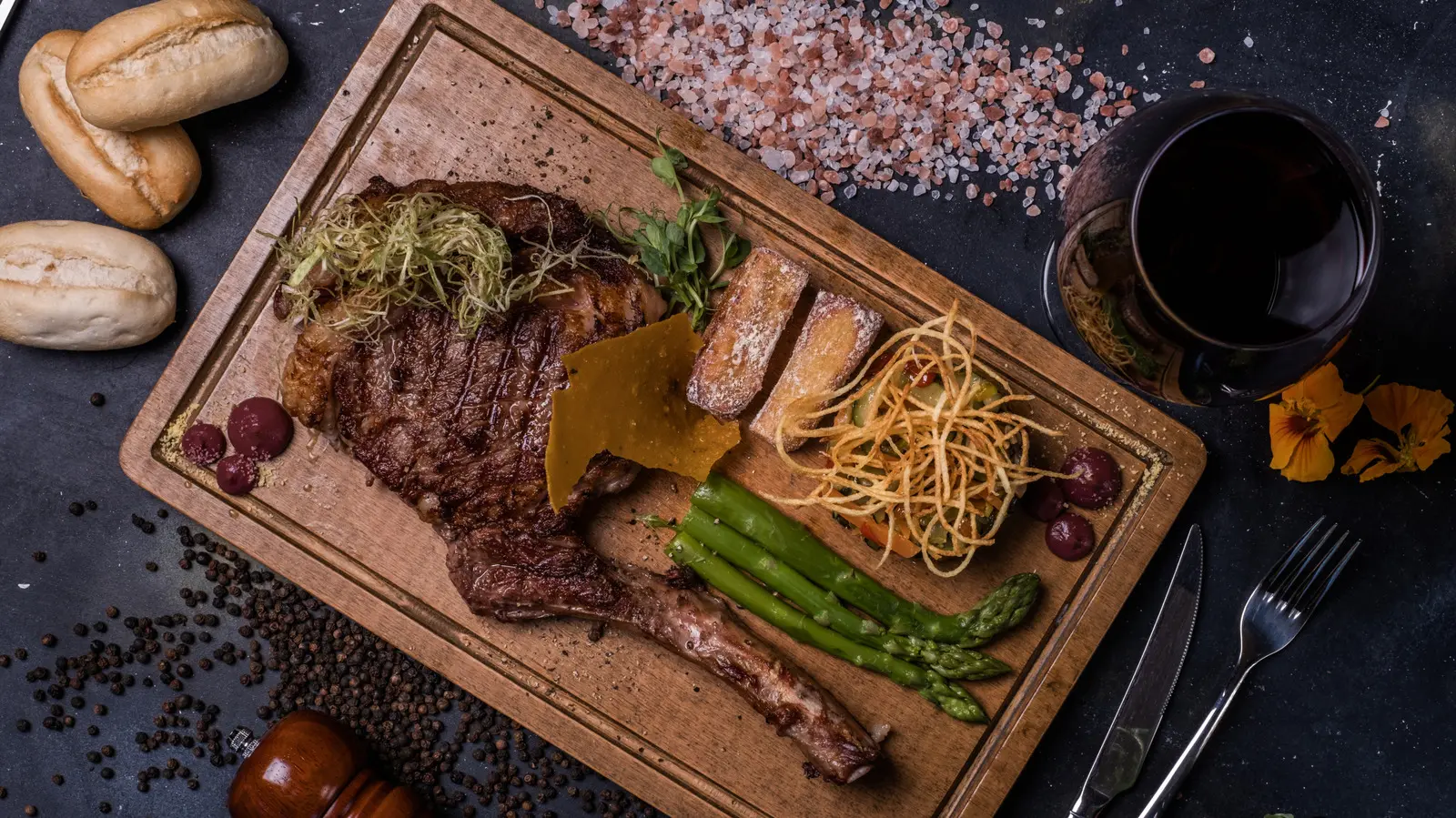 Not Texas Roadhouse, Outback, Or LongHorn: 5 Alternative Steakhouse Chains To Try At Least Once
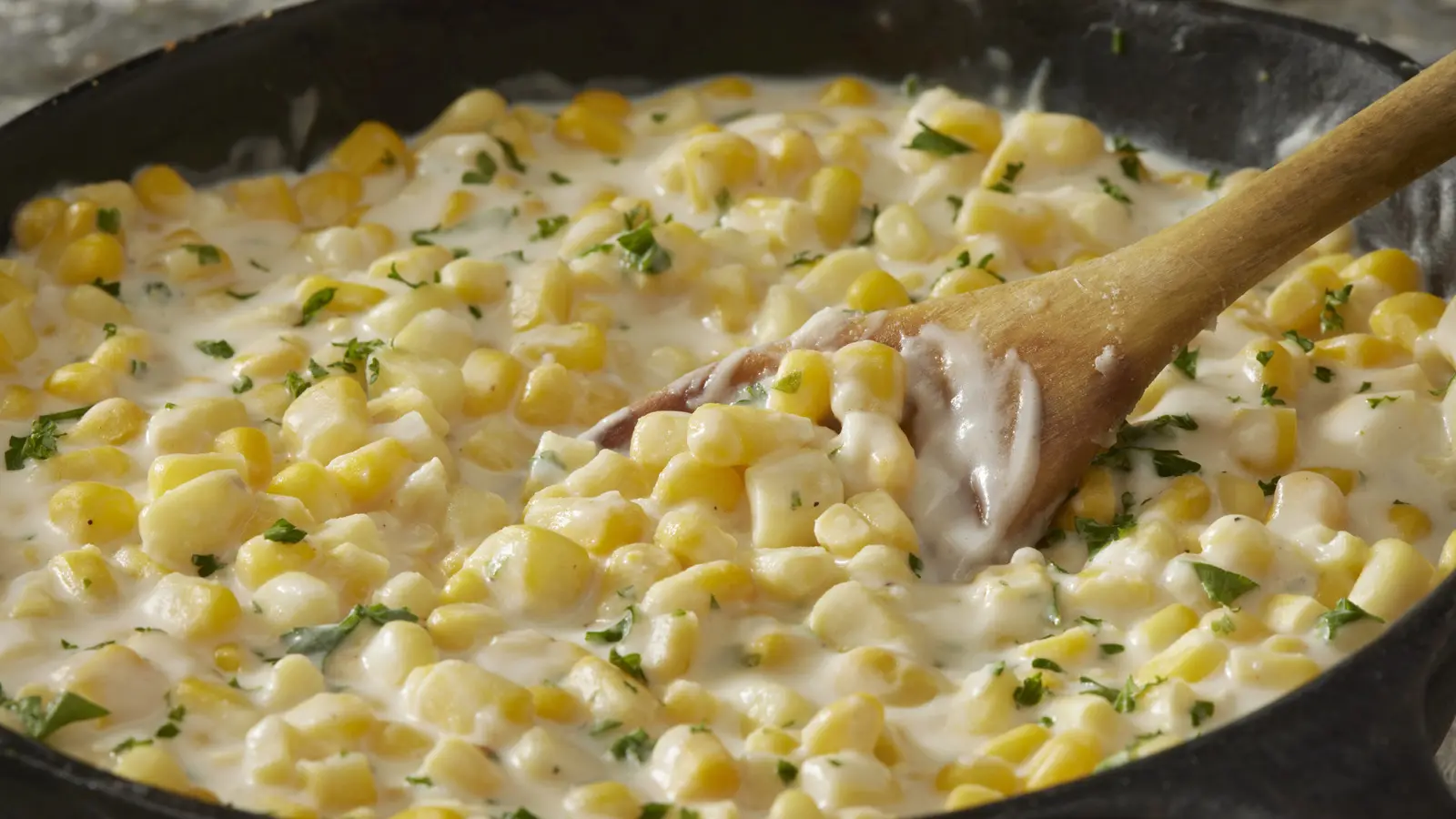 The Easiest Mexican Street Corn Dip Uses Canned Soup as a Secret Ingredient
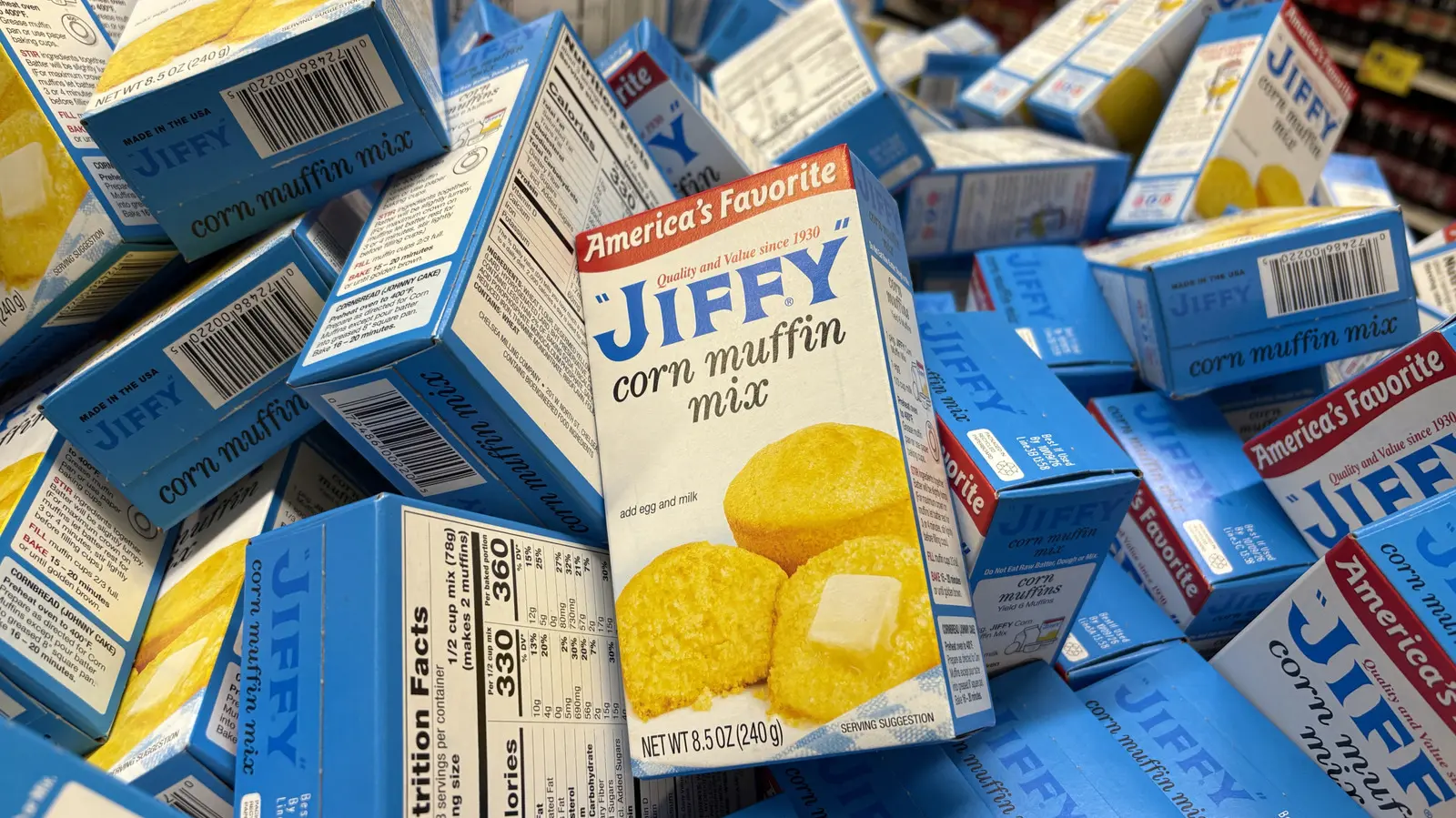 The Secret to Moist Jiffy Cornbread Lies in Two Everyday Fridge Staples
The popularity of snack cakes stems from their convenience, low price, and the way they capture regional flavors. Companies such as Hostess, Little Debbie, and Drake’s have built empires by perfecting soft, cake‑like interiors topped with frosting, cream, or fruit fillings. Their mass production methods keep prices low, while clever marketing ties each product to holidays, sports events, or childhood memories, ensuring a lasting presence in the national pantry.
First introduced in the early 1930s, the bell‑shaped snack cake quickly became a staple in school lunchboxes. Its simple vanilla sponge, coated in a thin layer of chocolate, appealed to both kids and adults. Over the decades, the brand expanded flavors, adding strawberry and chocolate‑marble variants, but the original remains the most recognizable. Industry analysts credit its staying power to consistent taste and nostalgic advertising that featured families gathered around the kitchen table.
Which Snack Cake Holds the Crown for Creamy Filling?
Among the dozen contenders, the cream‑filled round cake stands out for its rich, velvety center. Launched in the 1950s, it combined a light sponge with a sweet vanilla cream that never hardened, even after weeks on the shelf. Consumer surveys repeatedly rank it as the top comfort snack, especially during winter holidays when families gather for movie marathons. Its success prompted imitators, yet none have matched the original’s balance of texture and flavor.
The list of iconic snack cakes also includes the chocolate‑covered square with a butterscotch core, the fruit‑filled crescent that mimics a mini‑pie, and the peanut‑butter‑swirl bar that became a favorite among athletes for its quick energy boost. Each product reflects a specific era: the post‑war boom saw an explosion of sugary treats, while the 1980s introduced bold colors and limited‑edition flavors tied to pop culture phenomena.
In recent years, health‑conscious consumers have pressured manufacturers to reduce artificial ingredients. Some brands responded by offering „better‑for‑you” versions, swapping trans fats for natural oils and adding whole‑grain flour. Yet sales data shows that the classic formulas still dominate shelf space, proving that taste nostalgia often outweighs nutritional concerns.
Looking ahead, snack cake makers are exploring limited‑edition collaborations with popular movie franchises and experimenting with plant‑based fillings to attract younger audiences. As long as the core promise—quick, affordable indulgence—remains intact, these treats will likely continue to appear in grocery aisles and vending machines for decades to come.
Frequently Asked Questions
What makes a snack cake „iconic” in the U. S.? An iconic snack cake typically combines widespread distribution, decades‑long presence, and a strong emotional connection with consumers, often reinforced by memorable advertising.
Are there any snack cakes that are now gluten‑free? A few manufacturers have launched gluten‑free lines, but the majority of classic snack cakes still contain wheat‑based ingredients, limiting options for those with sensitivities.
How have snack cake sales changed in the past ten years? Overall sales have remained steady, with modest growth driven by new flavor releases and seasonal promotions, despite a gradual shift toward healthier snack alternatives.
Content written by [email protected] (Samantha Maxwell) for fancy-meals.com editorial team, AI-assisted.