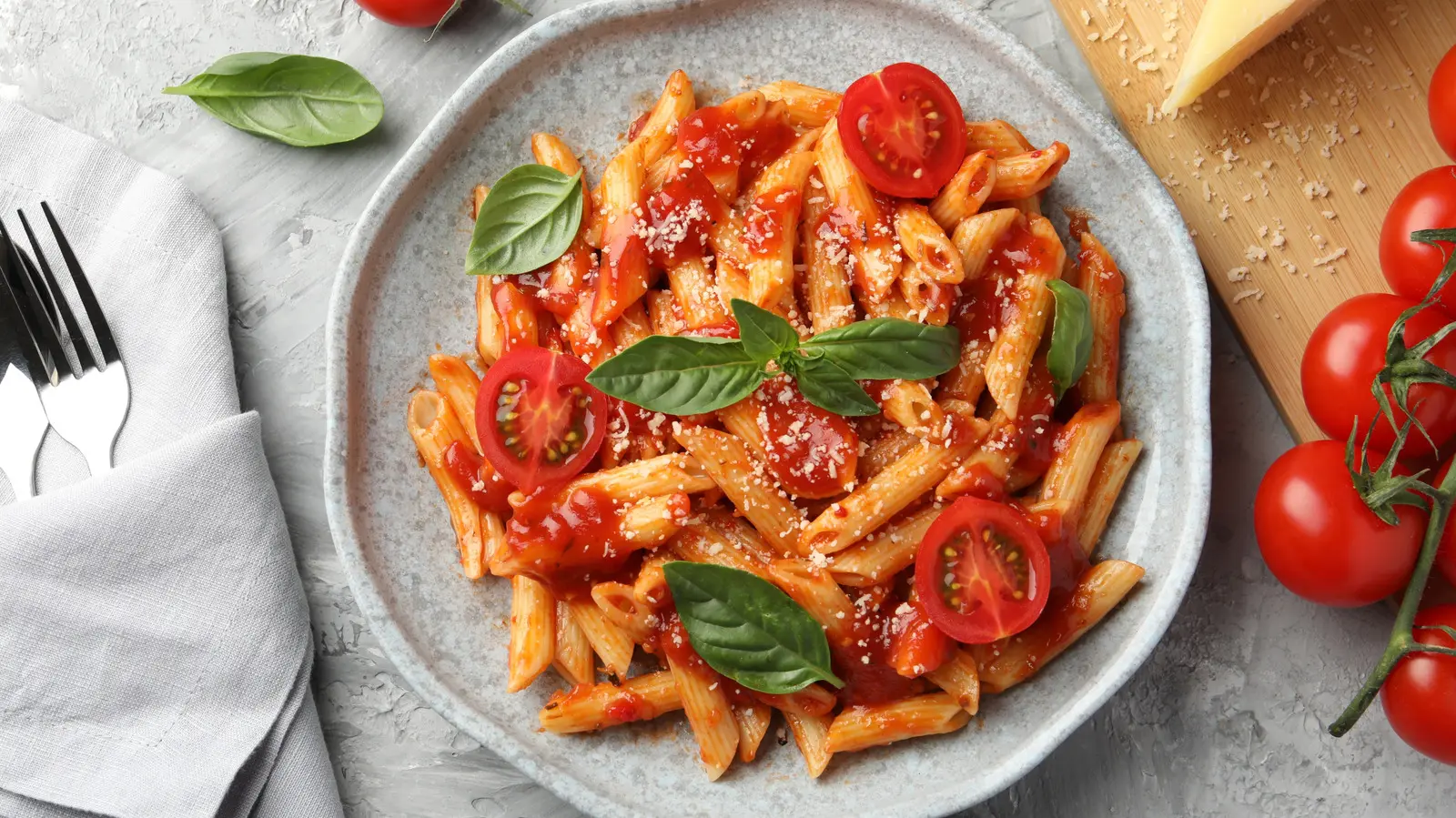
Raw Tomato Sauce Offers Fresh Twist on Classic Pasta
Why Raw Ingredients Change the Flavor Profile
Pasta lovers seeking a departure from traditional cooked sauces can now try a raw tomato alternative. This no-cook method delivers bold, fresh flavors without the heat of a stove. It serves as a simple swap for cream or marinara bases. The technique appeals to those wanting variety in their meals. It provides a crisp, vibrant taste profile. This approach changes the standard dinner routine. It offers a lighter option for warm weather dining. The result is a dish that feels new yet familiar.
Latest news
 Anthony Bourdain’s Most Unforgettable Meals on „No Reservations”
 Mastering the Art of Perfect Pie Baking
 Chocolate Peppermint Whoopie Pies: Holiday Treats Made Easy With Boxed Mix
 Ree Drummond Shares 10 Tips for the Perfect Thanksgiving Turkey
Most pasta dishes rely on simmered sauces to develop depth. However, raw ingredients retain distinct nutritional qualities. A no-cook tomato sauce preserves the natural acidity of fresh produce. This method eliminates the need for long cooking times. It allows for quicker meal preparation during busy evenings. The flavor profile remains bright and tangy. It contrasts sharply with heavy, dairy-based options. Many home cooks find this approach refreshing. It simplifies the cooking process significantly.
Using raw tomatoes alters the chemical structure of the sauce. Heat usually breaks down cell walls and releases sugars. Without cooking, the texture stays firm and juicy. The acidity remains sharp and pronounced. This creates a zesty contrast against soft pasta. The sauce does not thicken through reduction. Instead, it relies on the natural juices of the fruit. This results in a lighter, less viscous consistency. It pairs well with delicate pasta shapes. The freshness is the primary selling point.
Is This Method Suitable for All Pasta Types?
Chefs note that raw sauces highlight the quality of ingredients. Poor-quality tomatoes may taste bland when uncooked. High-quality varieties provide a robust flavor base. The lack of cooking time preserves vitamin C content. This makes the dish more nutritious overall. It is a practical solution for hot climates. It reduces energy consumption in the kitchen. The preparation takes only minutes to complete. It requires minimal equipment and cleanup.
Not every pasta shape benefits equally from a raw sauce. Long strands like spaghetti absorb liquid well. Short shapes like rigatoni may require a thicker base. The raw sauce works best with smooth surfaces. Rough-textured pastas might not hold the liquid effectively. Experimentation is key to finding the right match. Some diners prefer the sauce slightly chilled. Others enjoy it at room temperature. The final presentation depends on personal preference.
This trend aligns with broader shifts toward fresh eating. Consumers are increasingly interested in whole foods. They seek meals with fewer processed components. Raw sauces fit this dietary preference perfectly. They offer a healthy alternative to heavy creams. The method is accessible to beginners. It requires no advanced culinary skills. It can be adapted with various herbs. Basil and oregano add aromatic depth. Garlic provides a pungent kick.
Frequently Asked Questions
Does raw tomato sauce taste different from cooked? Yes, it is sharper and more acidic. It lacks the sweetness developed during simmering. The texture is also juicier and less thick.
How long does the sauce last in the fridge? Raw tomato sauces are perishable. They should be consumed within two to three days. Always store them in an airtight container.
Can I add other raw vegetables to the sauce? Absolutely. Finely diced cucumber or bell pepper adds crunch. These ingredients enhance the fresh flavor profile. They also increase the nutritional value.