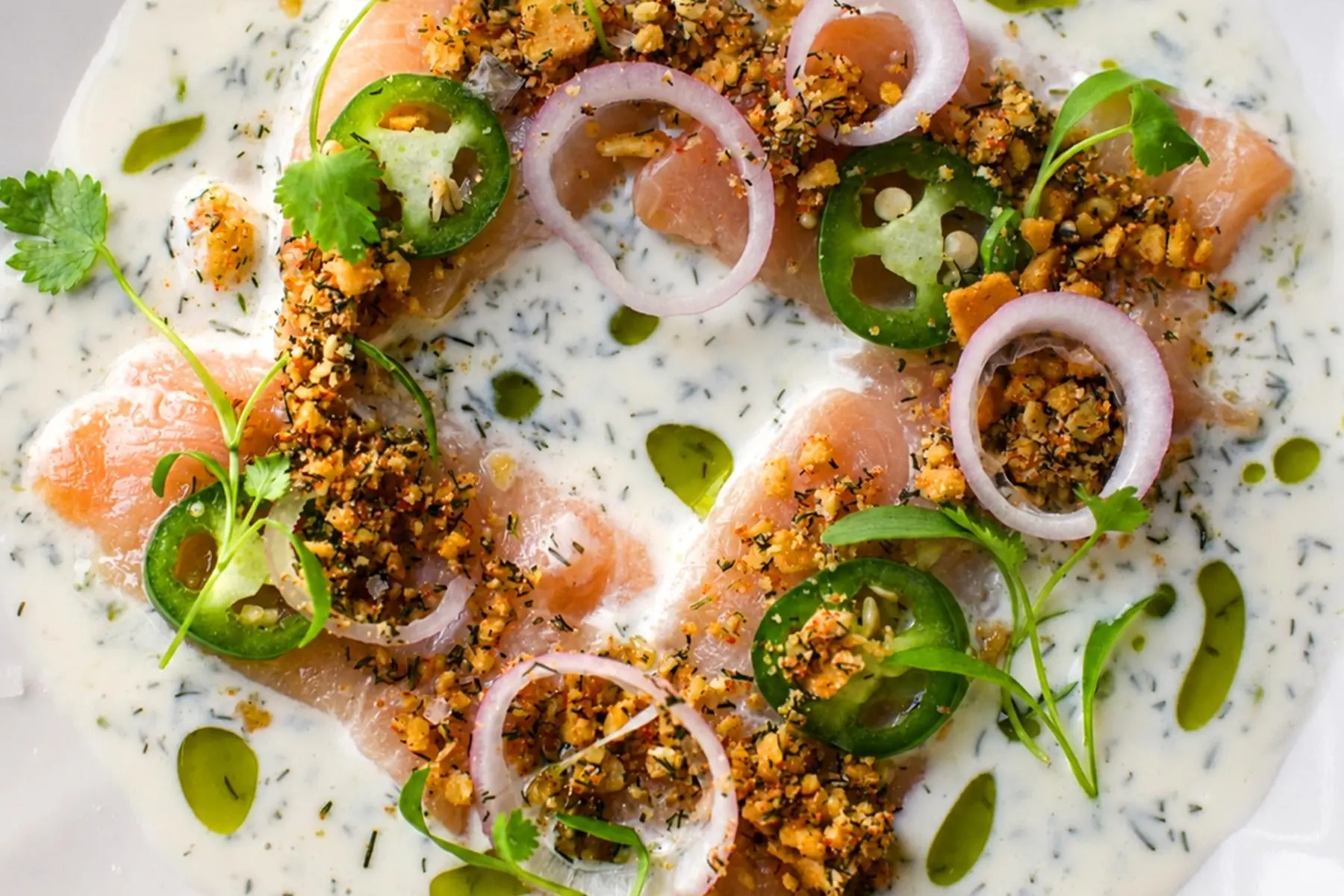
Ranch Dressing: From Salad Staple to Cultural Symbol
Regional Pride and Culinary Traditions
A recent study shows that how people discuss ranch dressing reveals regional identities, culinary preferences, and even social attitudes. Surveyed across the United States, respondents were asked to describe their relationship with the creamy condiment, revealing striking patterns between the Midwest, the West Coast, and urban centers.
Latest news
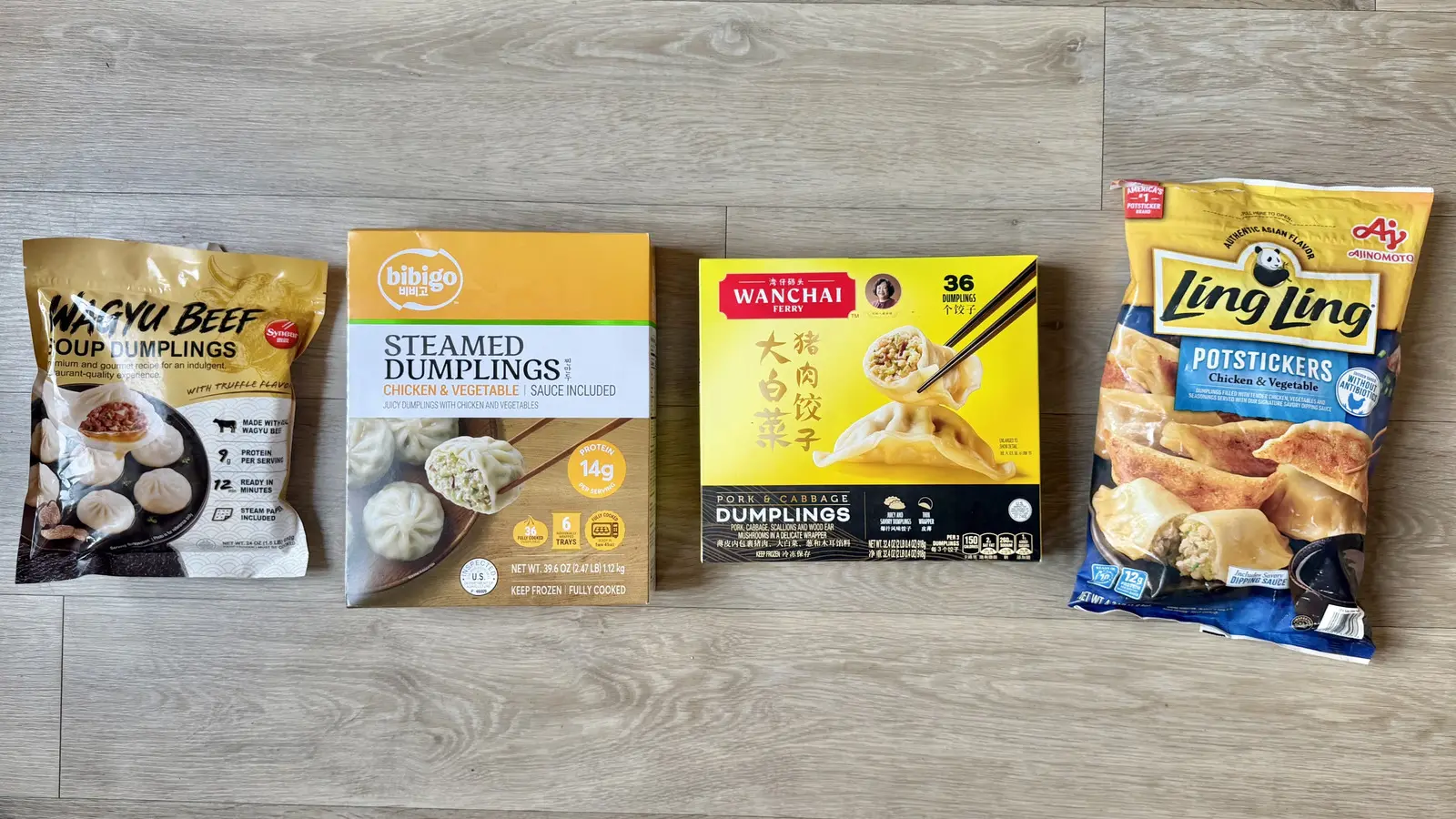 Costco's Frozen Dumpling Lineup, Ranked From Least To Most Tasty
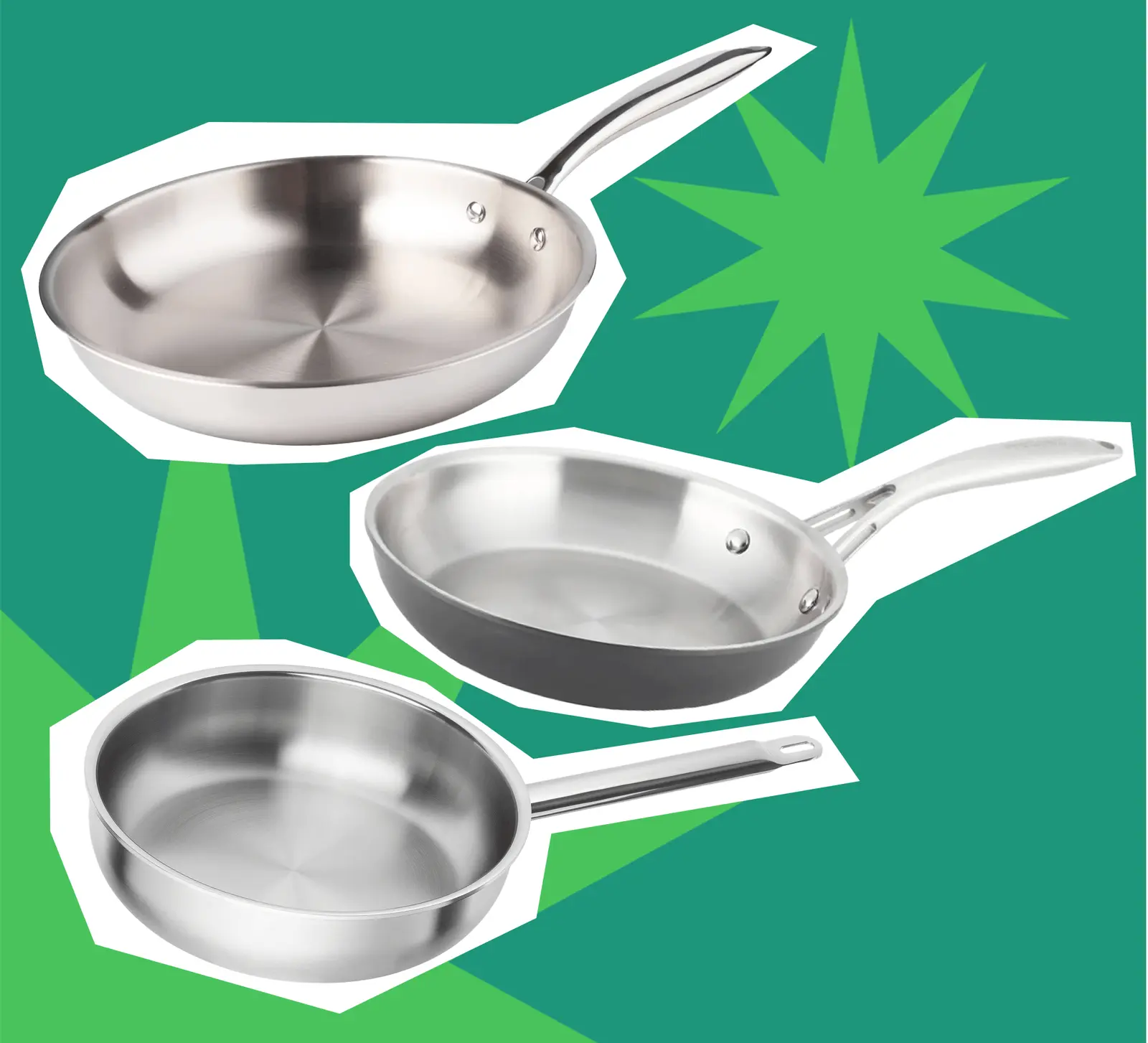 Best stainless-steel frying pans 2026: expert-tested picks for searing, eggs and daily cooking
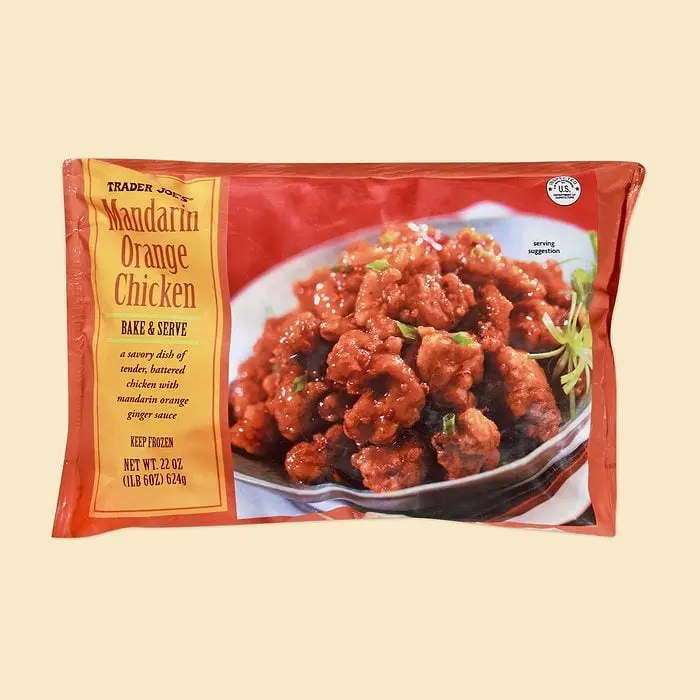 Trader Joe’s First‑Time Shopper Guide: Must‑Try Items
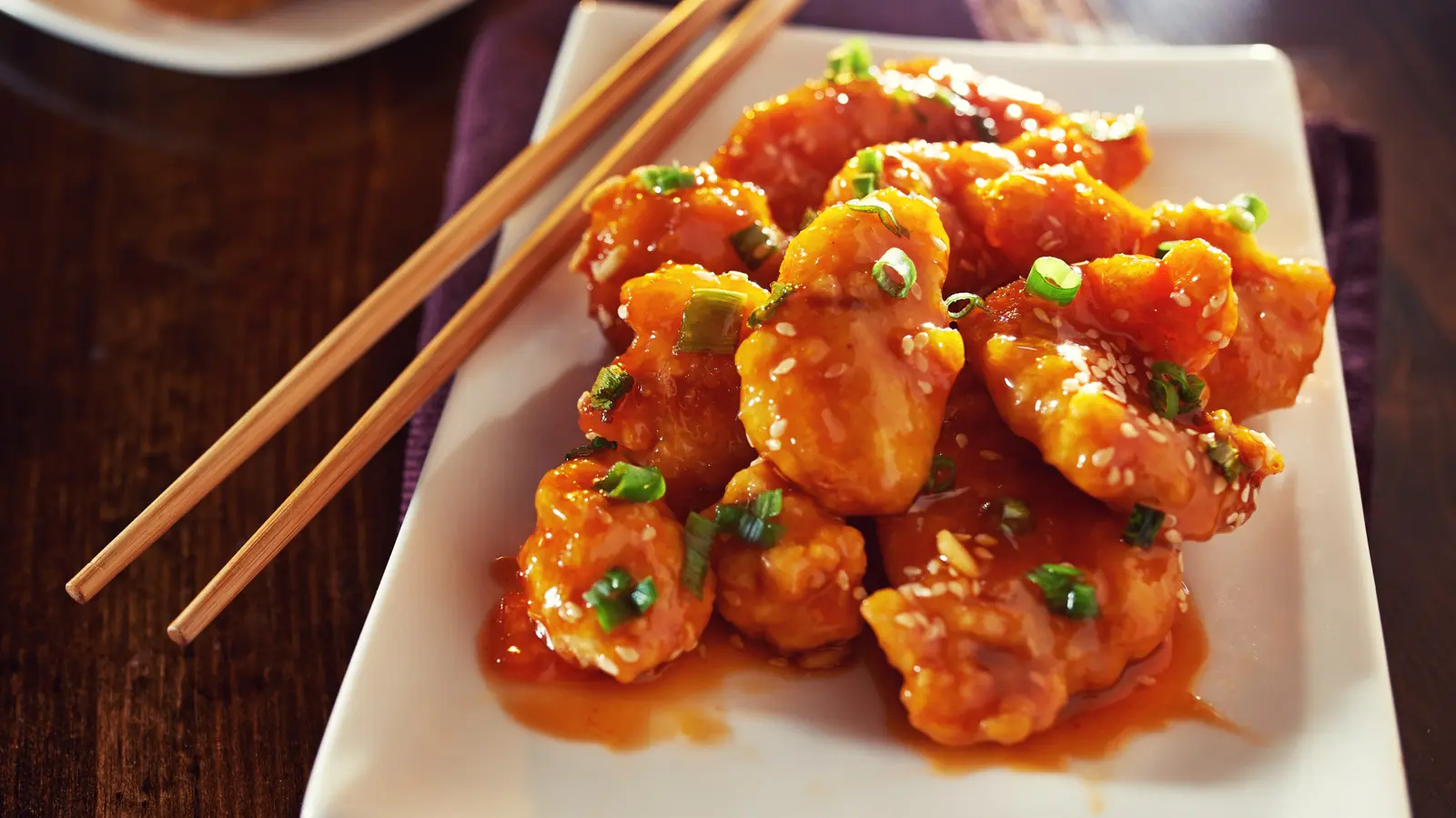 Panda Express vs P.F. Chang's: Which Orange Chicken Is Healthier?
The research, conducted in late 2023, collected responses from 1,200 adults in 12 states. Participants ranged from 18 to 65, with a balanced mix of genders and socioeconomic backgrounds. The questionnaire asked about favorite uses, perceived healthiness, and personal anecdotes involving ranch.
Is Ranch a Health Hazard or Culinary Delight?
In the Midwest, respondents frequently cited ranch as a „comfort food” and a staple in everyday meals. Many described drizzling it over salads, using it as a dip for fries, or even incorporating it into casseroles. One Iowa resident noted, „Ranch is part of our family dinners; it’s the sauce that brings everyone together.” Conversely, coastal respondents, particularly from California and New England, expressed a more critical view. They often labeled ranch as „overused” and preferred lighter dressings. A California chef explained, „We favor fresh herbs and citrus; ranch feels too heavy for our plates.”
The study also highlighted a generational divide. Younger participants were more experimental, pairing ranch with unconventional foods such as pizza, tacos, and even cereal. An 18‑year‑old from Texas admitted, „I love ranch on everything—steak, pasta, cereal. It’s just so versatile.”
Health experts weigh in on the debate. The American Heart Association notes that ranch dressing can contain up to 200 calories per ounce, largely from fat and sodium. Yet, the same study found that many users dilute ranch with yogurt or low‑fat milk, reducing calorie content. Nutritionists argue that the key is moderation and ingredient choice. „Choosing a low‑fat or homemade version can mitigate health concerns,” says Dr. Elena Ramirez, a dietitian in Chicago. „The real issue is portion control.”
How Does Ranch Influence Social Identity?
Meanwhile, culinary historians trace ranch’s origins to the 1950s, created by a rancher in California who mixed buttermilk, herbs, and spices. Over decades, it evolved into a mainstream condiment, now available in countless flavors, from garlic to avocado.
The survey revealed that people often use ranch as a marker of identity. Midwest respondents felt a sense of pride, viewing ranch as a symbol of regional heritage. Coastal participants, on the other hand, sometimes used ranch to signal culinary rebellion or nostalgia for simpler times. One New York writer described ranch as „a culinary badge of honor” for those who grew up on it. „It’s a taste that connects us to our roots,” she added.
What Happens When Ranch Becomes a Cultural Icon?
The findings suggest that food preferences are more than taste; they reflect cultural narratives and personal histories.
As ranch continues to permeate menus worldwide, its cultural significance grows. Restaurants now offer ranch‑infused dishes, and food blogs regularly feature creative uses. This trend could lead to increased demand for specialty ranch varieties, such as keto‑friendly or vegan options. However, the popularity also raises concerns about overconsumption and health impacts. Public health campaigns may need to address balanced usage, especially among younger demographics who experiment with unconventional pairings.
Q1: Is ranch dressing unhealthy? A: Ranch can be high in calories and sodium, but choosing low‑fat or homemade versions and using it sparingly can make it a reasonable part of a balanced diet.
Frequently Asked Questions
Q2: Why do people in the Midwest love ranch so much? A: It has deep roots in Midwestern cuisine, often associated with family meals and comfort foods, making it a cultural staple.
Q3: Can ranch be used on non‑traditional foods? A: Yes; many chefs and home cooks use ranch on pasta, steak, tacos, and even cereal, showcasing its versatility.
Content written by Henry Cross for fancy-meals.com editorial team, AI-assisted.