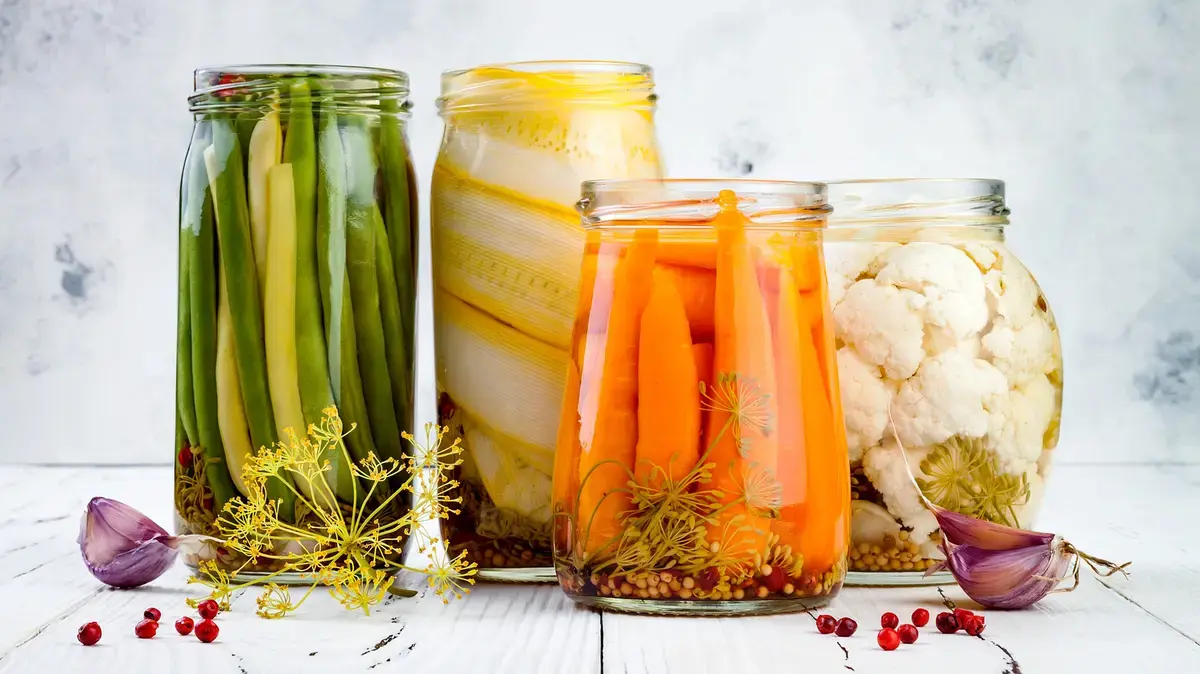
Quick Pickles Add Zest to Meals, but How Long Should They Sit?
How Long Is „Quick” Enough?
Home cooks across the country are turning to quick pickles as a fast way to brighten dishes and reduce waste. The method involves submerging fresh vegetables in a vinegar‑based brine for a short period, usually under 24 hours. By mid‑summer, grocery aisles are seeing a surge in jars labeled „quick pickle,” reflecting growing consumer interest.
Latest news
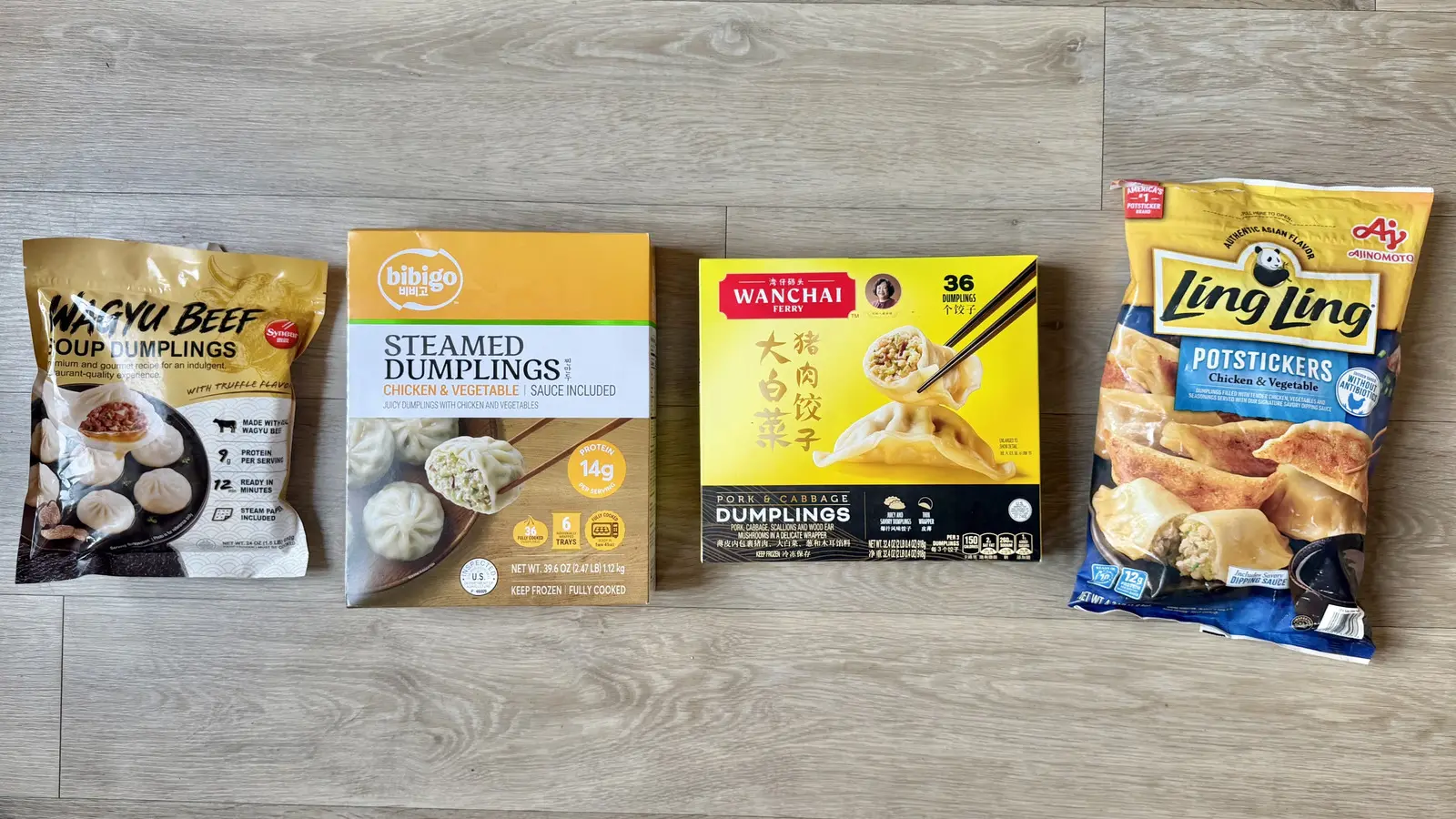 Costco's Frozen Dumpling Lineup, Ranked From Least To Most Tasty
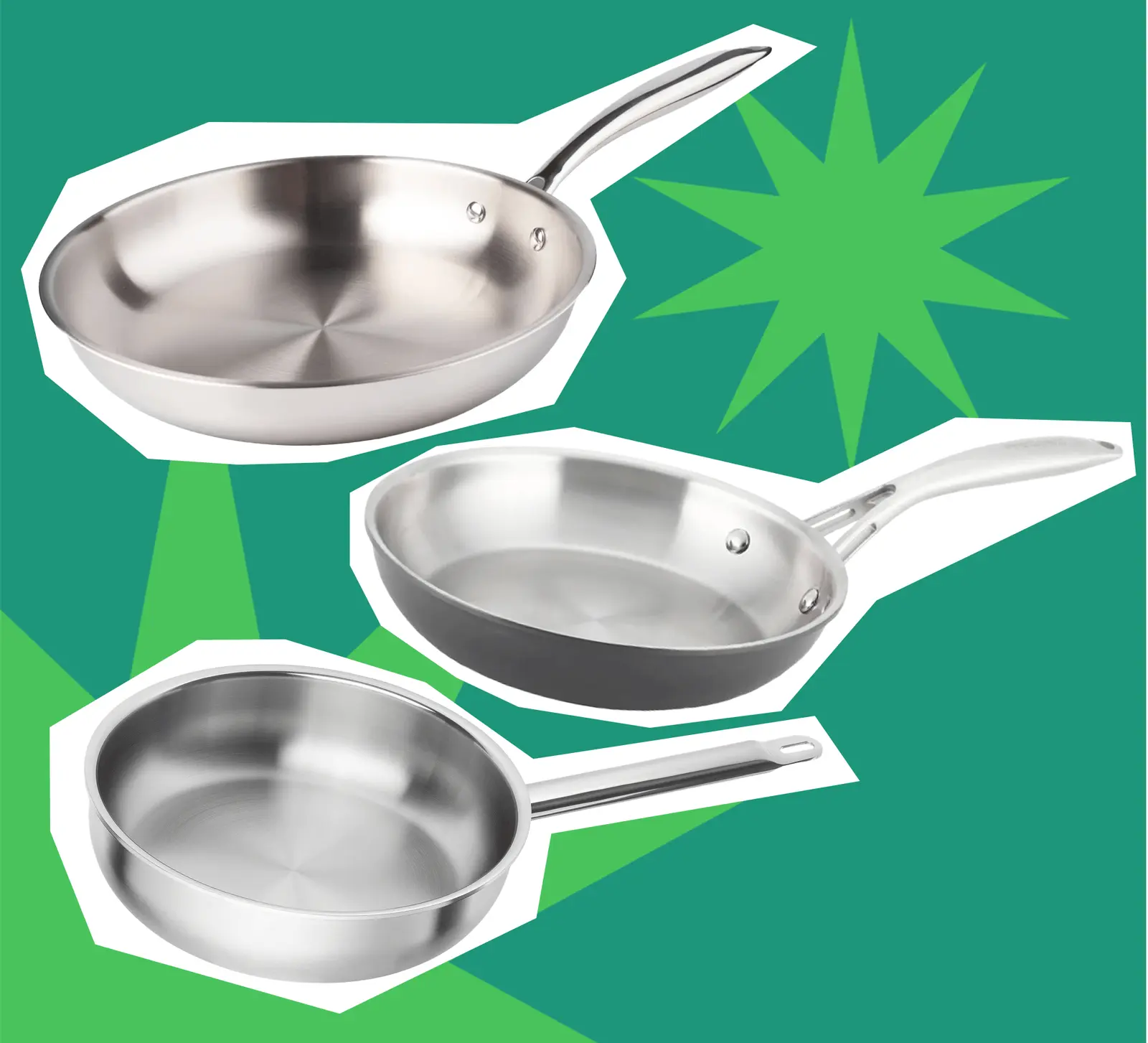 Best stainless-steel frying pans 2026: expert-tested picks for searing, eggs and daily cooking
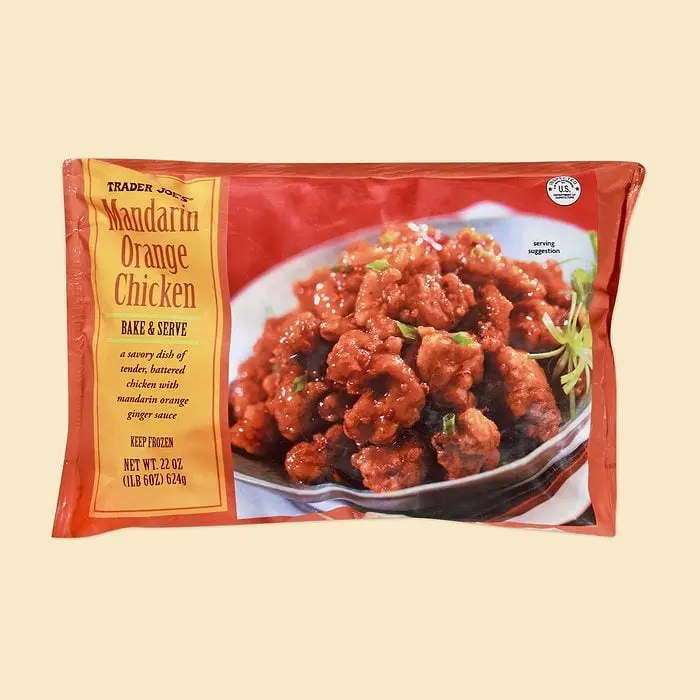 Trader Joe’s First‑Time Shopper Guide: Must‑Try Items
 Panda Express vs P.F. Chang's: Which Orange Chicken Is Healthier?
The technique is simple: slice or shred the produce, toss it with salt, sugar, spices, and a vinegar mixture, then let it rest. The acid penetrates the cells, delivering a tangy snap while preserving texture. Because the process does not rely on fermentation, it can be completed in as little as fifteen minutes for thin slices, or a few hours for sturdier vegetables. Chefs cite the method’s versatility; a quick pickle of red onion can transform a taco, while pickled carrots add crunch to a grain bowl. Safety experts note that the high acidity inhibits bacterial growth, making the brine safe for short‑term storage in the refrigerator.
Timing depends on the vegetable’s density and the desired flavor intensity. Thin cucumber rounds often reach peak tanginess after thirty minutes, though a full hour yields a deeper bite. Carrots and radishes, being denser, benefit from one to two hours of marination. Thinly sliced onions can be ready in fifteen minutes, perfect for topping salads. Some home cooks extend the period to twelve hours for a mellower profile, but beyond twenty‑four hours the texture may become overly soft. Culinary researcher Dr. Lena Ortiz advises monitoring the brine’s pH; a level below 4.0 ensures both safety and crispness.
Can Quick Pickles Replace Traditional Fermentation?
While quick pickles offer speed, they differ from fermented varieties that develop probiotic cultures over weeks. The rapid method supplies acidity and flavor without the complex microbial changes. For those seeking gut‑friendly benefits, traditional sauerkraut or kimchi remains unmatched. However, quick pickles excel at delivering immediate taste upgrades and can be prepared with any garden surplus. Their convenience makes them attractive to busy families and restaurants looking to add seasonal flair without extensive prep.
The rise of quick pickles signals a broader shift toward low‑effort, flavor‑forward cooking. As more consumers experiment with pantry staples, the technique is likely to inspire new product lines and recipe innovations. Food‑service operators are already featuring „quick‑pickle bars” where diners customize their own tangy toppings. This trend may reduce vegetable waste and encourage seasonal eating, aligning with sustainability goals.
Frequently Asked Questions
What vegetables work best for quick pickling? Crisp, low‑water vegetables such as cucumbers, carrots, radishes, and red onions respond quickly. Leafy greens can be used but may become soggy if left too long.
Do I need to refrigerate quick pickles? Yes. The brine’s acidity protects the food, but refrigeration slows spoilage and keeps the texture firm. Consume within two weeks for optimal taste.
Can I reuse the brine for another batch? Reusing is possible if the brine remains clear and retains its acidity. After each use, add fresh vinegar and salt to restore the proper pH level.
Content written by Victoria Lane for fancy-meals.com editorial team, AI-assisted.