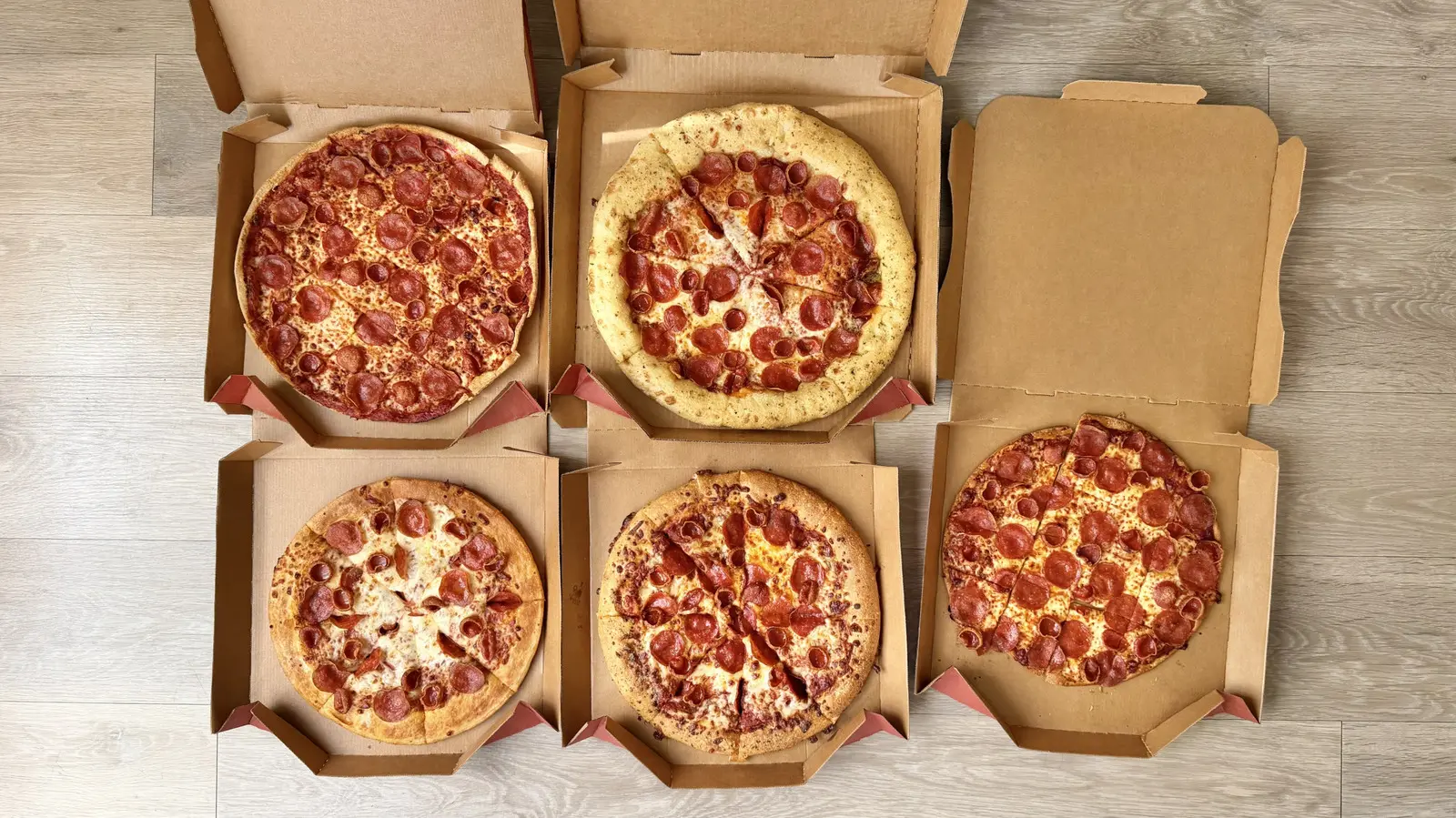
Pizza Hut offers five distinct crust styles for customers to choose from
Texture Defines The Dining Experience
The chain invites diners to select their preferred base before adding toppings. This variety allows individuals to tailor their meal to specific dietary needs. The options range from thick and doughy to thin and crispy textures. Each style provides a unique eating experience and flavor profile. Customers must navigate these choices when ordering for groups with different tastes. The decision process can be challenging for families seeking a shared meal. Understanding the differences helps ensure satisfaction for all diners at the table. The restaurant aims to cater to diverse preferences through this wide selection.
Latest news
 Costco's Frozen Dumpling Lineup, Ranked From Least To Most Tasty
 Best stainless-steel frying pans 2026: expert-tested picks for searing, eggs and daily cooking
 Trader Joe’s First‑Time Shopper Guide: Must‑Try Items
 Panda Express vs P.F. Chang's: Which Orange Chicken Is Healthier?
The crust choice significantly impacts the overall taste of the pizza. A thicker base holds more sauce and cheese without becoming soggy. This style suits those who prefer a hearty, bread-like component. It provides a substantial chew that complements heavy toppings well. Conversely, a thinner crust offers a crispier bite and lighter feel. This option appeals to diners who prefer the toppings to shine brightly. The structural integrity of the slice depends heavily on the base. Some styles are designed for easier slicing and cleaner eating. Others prioritize flavor absorption from the marinara sauce underneath. The texture directly influences how quickly the pizza cools down. Hotter centers require a base that retains heat effectively for longer. This thermal property is crucial for maintaining the desired eating temperature. Diners often overlook this aspect when making their initial selections. However, it plays a vital role in long-term enjoyment of the slice.
Choosing the right style requires knowledge of personal preference. Some people dislike the chewiness of a traditional pan pizza. They may prefer the snap of a hand-tossed alternative instead. This distinction matters when ordering for picky eaters in a group. Balancing these preferences ensures everyone leaves the table happy. The chain provides clear descriptions to guide these decisions. Clear labeling reduces confusion and prevents ordering errors. It empowers customers to make informed choices confidently. The availability of these options sets the brand apart from rivals. Competitors often offer fewer variations in their standard menus. This breadth of choice supports a broader customer base. It encourages repeat visits as diners try different styles over time. Loyalty to the brand can grow through this variety. Customers feel the restaurant respects their individual tastes. This respect fosters a positive association with the dining experience. The final ranking depends on subjective taste and context.
No single style is objectively superior for every situation. The best choice aligns with the specific hunger and mood. Contextual factors like time of day also influence the decision. A quick lunch may favor a lighter, thinner option. A dinner gathering might call for a more substantial, thicker base. These nuances highlight the complexity of a simple food choice. The process remains a ritual that brings families together. It transforms a basic meal into a social event. The joy of sharing food is amplified by shared decision-making. This communal aspect strengthens family bonds during the meal. The act of choosing becomes part of the entertainment value. It adds a layer of engagement to the dining process. Ultimately, the goal is satisfaction and enjoyment for all. The variety ensures that this goal is achievable for most. The restaurant succeeds by offering this comprehensive range of bases.
Which Base Suits Your Appetite Best?
It meets the diverse demands of the modern consumer market. Future menu innovations may build upon these existing foundations. The core styles remain popular due to their proven appeal. Consistency in quality is essential for maintaining this popularity. Any deviation could disrupt the established customer expectations. The brand must balance innovation with tradition in its offerings. This balance ensures long-term success in the competitive industry. The five styles represent a curated selection of the best options. They cover the spectrum of crust preferences effectively. Diners can find their perfect match within this limited set. This curation simplifies the menu while maximizing choice. It is a strategic approach to menu design and management. The result is a streamlined yet flexible ordering experience. Customers appreciate the clarity and variety provided. This satisfaction drives business and brand loyalty over time. The simple act of ordering becomes a confident choice.
There is no longer a fear of picking the wrong base. The knowledge of options removes the anxiety from the process. This confidence enhances the overall perception of the service. The restaurant delivers on its promise of customizable dining. It stands as a reliable option for group meals. The variety ensures inclusivity for different dietary restrictions. Gluten-sensitive diners might find specific options more suitable. This consideration broadens the potential customer demographic. The restaurant serves a wider range of the population. This inclusivity is a key strength of the current menu. It reflects a modern understanding of diverse dietary needs. The five styles accommodate these needs without compromising quality. Each option is crafted to meet specific textural demands. The attention to detail in crust preparation is evident. It sets a standard for consistency across locations. Customers can expect the same quality wherever they order.
This reliability is crucial for a national chain. It builds trust and encourages repeat business. The five styles remain a cornerstone of the menu. They continue to draw customers seeking familiar favorites. The ranking is subjective but the quality is objective. Diners can trust the execution of each style. The choice is ultimately personal and subjective. Enjoy the process of finding your preferred base. The variety ensures a positive outcome for most. The ritual of pizza night remains a cherished tradition. The options support this tradition with diverse choices. The meal becomes more than just food. It becomes a moment of connection and choice. The five styles facilitate this meaningful experience. They provide the foundation for a memorable evening. The selection process is a small but significant part. It adds depth to the simple act of eating. The restaurant supports this depth with its menu design.
The outcome is a satisfied and engaged customer base. The five styles are a testament to thoughtful curation. They meet the needs of a varied audience. The dining experience is enhanced by this variety. The choice is empowering and enjoyable. The final bite is satisfying regardless of the base. The journey from selection to consumption is smooth. The restaurant manages this journey effectively. The five styles are a successful formula. They continue to serve the market well. The future looks bright for this menu section. The core appeal remains strong and consistent. Diners will continue to return for these options. The variety ensures long-term relevance and popularity.
Content written by Tasting Table for fancy-meals.com editorial team, AI-assisted.