Pickle Juice or Buttermilk: Which Marinade Wins for Fried Chicken?
The Science Behind the Soak
The debate over the best brine for fried chicken has heated up among home cooks and chefs alike. On September 27, 2026, food writer Andrew Amelinckx compared the classic buttermilk soak with the newer trend of using pickle juice. Both methods promise juicier, more flavorful meat, but they achieve those results in different ways.
Latest news
 Costco's Frozen Dumpling Lineup, Ranked From Least To Most Tasty
 Best stainless-steel frying pans 2026: expert-tested picks for searing, eggs and daily cooking
 Trader Joe’s First‑Time Shopper Guide: Must‑Try Items
 Panda Express vs P.F. Chang's: Which Orange Chicken Is Healthier?
Buttermilk has long been the cornerstone of Southern fried chicken, its acidity and fat tenderizing the meat while adding a subtle tang. In recent years, pickle juice—already a favorite for quick chicken wings—has entered the mainstream as a brining shortcut. The liquid’s high salt content and vinegar base claim to cut marinating time dramatically, prompting many to wonder if it can truly replace the time‑tested dairy soak.
Researchers at the University of Georgia’s Food Science Department explain that both liquids work by breaking down protein fibers. „Buttermilk’s lactic acid and butterfat create a gentle tenderizing effect that also coats the skin, helping the crust adhere,” says Dr. Lena Ortiz. Pickle juice, on the other hand, relies on its vinegar and salt concentration to pull moisture into the meat quickly. „The brine action is more aggressive, so you can see noticeable tenderness after just an hour,” Ortiz adds. However, the rapid process can sometimes leave a faint pickle aftertaste if not balanced with seasoning.
Does Pickle Juice Really Beat Buttermilk for Crunch?
Culinary professionals note that the choice often depends on the desired flavor profile. Chef Marcus Liu of a Nashville hotspot uses a two‑step method: a brief pickle juice dip for speed, followed by a buttermilk bath for depth. „The pickle juice gives me a quick boost in juiciness, but the buttermilk builds the classic richness that diners expect,” Liu explains.
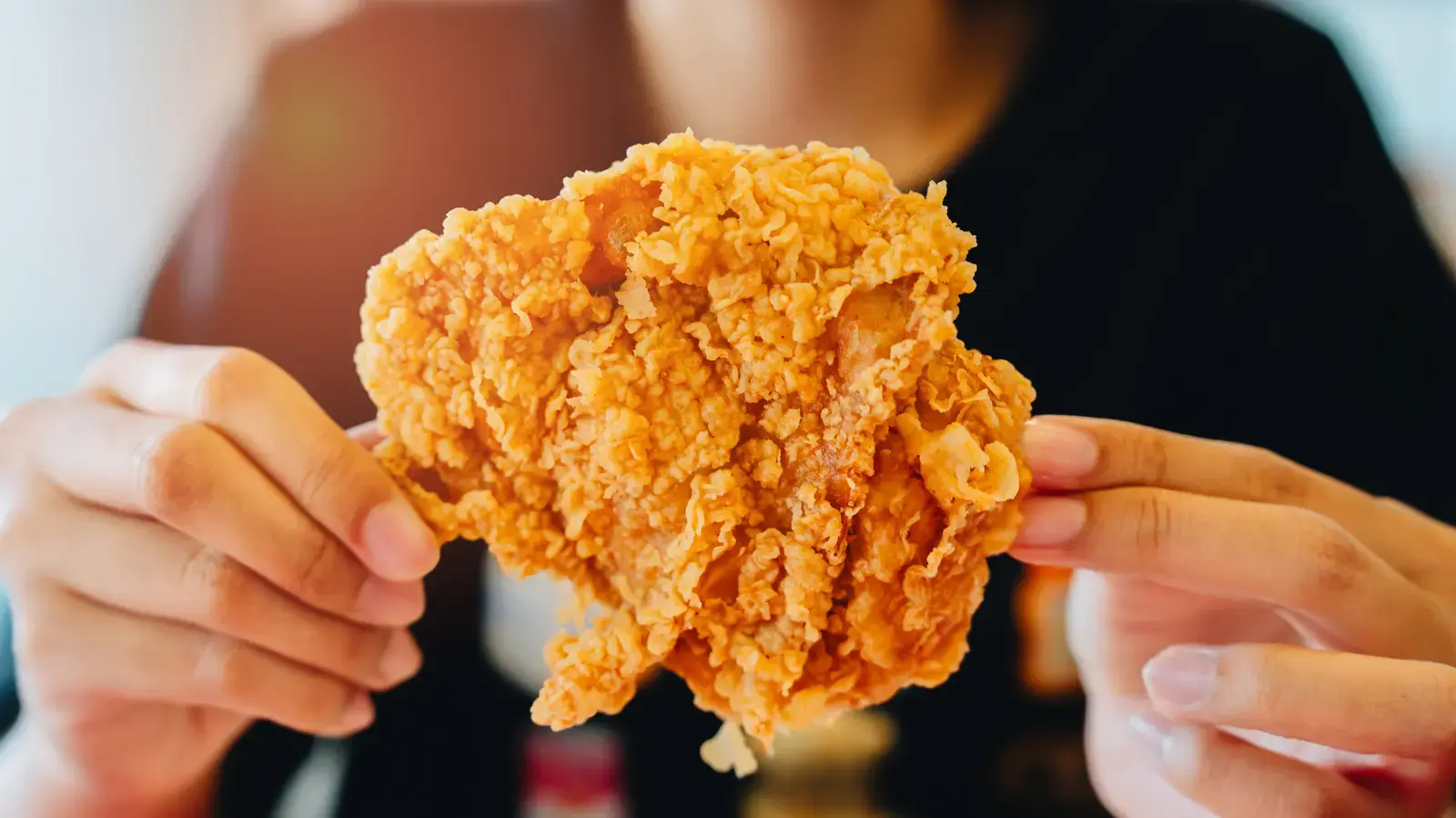
The ultimate test for fried chicken is its crust. Critics argue that buttermilk’s fat content helps create a golden, flaky coating, while pickle juice may lead to a thinner, sometimes soggier crust. Recent trials by the Food Network’s test kitchen found that chicken brined in buttermilk for 12 hours produced a crust 15 percent crispier than a one‑hour pickle juice soak. Yet, when the pickle‑brined chicken was fried at a slightly higher oil temperature, the difference narrowed considerably.
Home cooks report mixed results. Online forums show that many achieve a satisfying crunch with pickle juice when they double‑dip the chicken—first in the brine, then in seasoned flour. „I was skeptical at first, but the double‑dip technique gave me a crisp that rivaled my grandma’s buttermilk recipe,” writes user @SouthernSizzle on a popular cooking subreddit.
Both methods have their champions, and the choice may come down to time constraints and flavor preference. For a weekend feast with ample planning, a long buttermilk soak still delivers the traditional Southern taste. For a quick weeknight dinner, a short pickle juice brine can produce a surprisingly tender bite without the dairy.
Frequently Asked Questions
Can I combine pickle juice and buttermilk in one brine? Yes, many chefs blend equal parts pickle juice and buttermilk for a balanced acidity and fat content, resulting in both tenderness and flavor depth.
How long should I marinate chicken in pickle juice? A minimum of 30 minutes is sufficient for a noticeable effect, but 2–4 hours yields the best texture without overwhelming the meat with pickle flavor.
Will using pickle juice affect the seasoning of the final dish? Pickle juice adds salt and vinegar, so reduce additional salt in your seasoning mix to avoid over‑seasoning.
Content written by [email protected] (Andrew Amelinckx) for fancy-meals.com editorial team, AI-assisted.