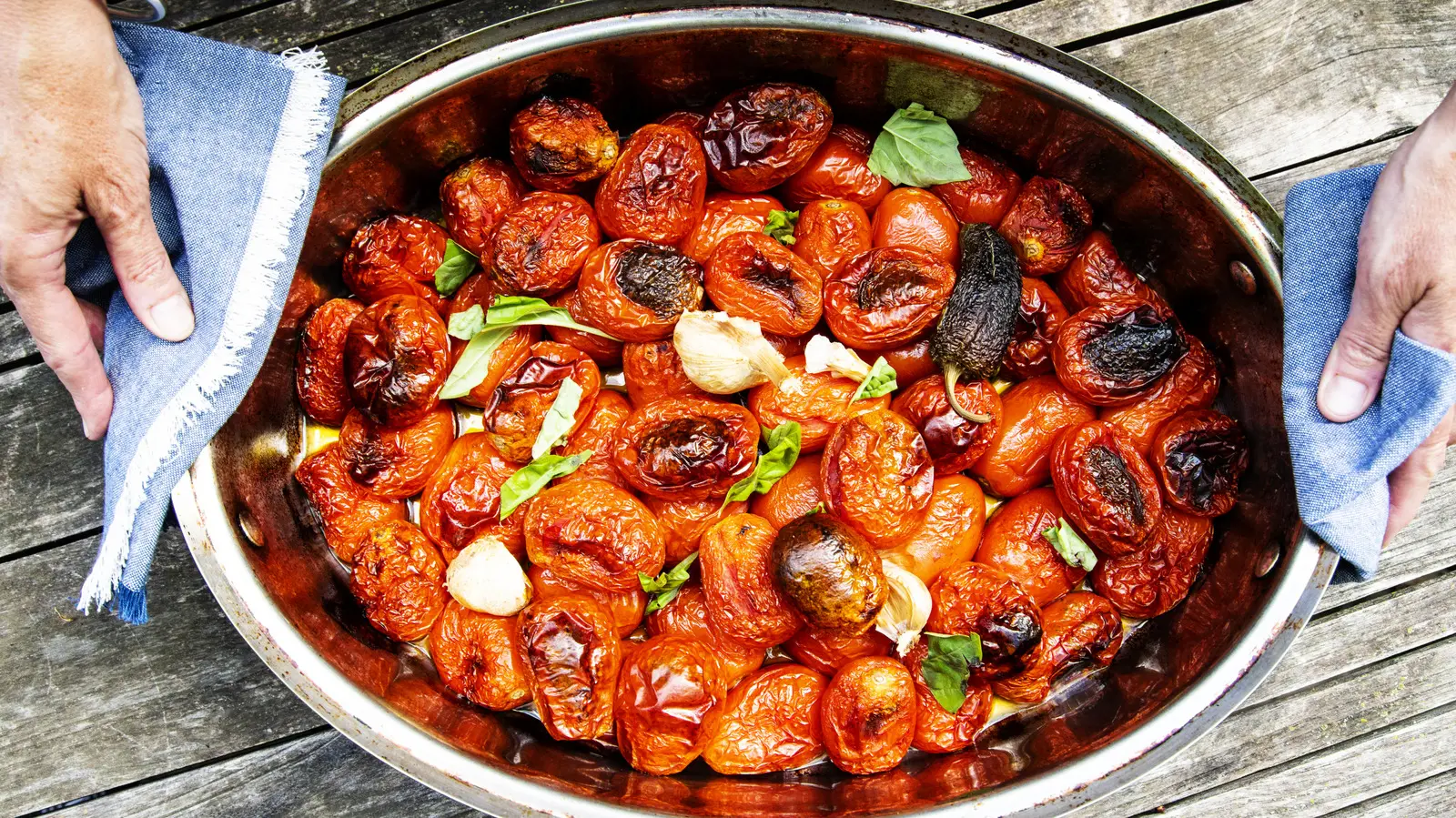
Perfect Roasted Tomatoes: Low and Slow for Jammy Intensity
Why Low Heat Wins Over High-Temp Shortcuts
Roasting tomatoes at 300°F for 45 to 60 minutes transforms them into deeply flavorful, jammy bites. This technique works best with ripe, in-season tomatoes, which caramelize beautifully under gentle heat. The key lies in patience—rushing the process at higher temperatures leads to burnt edges and uneven texture.
Latest news
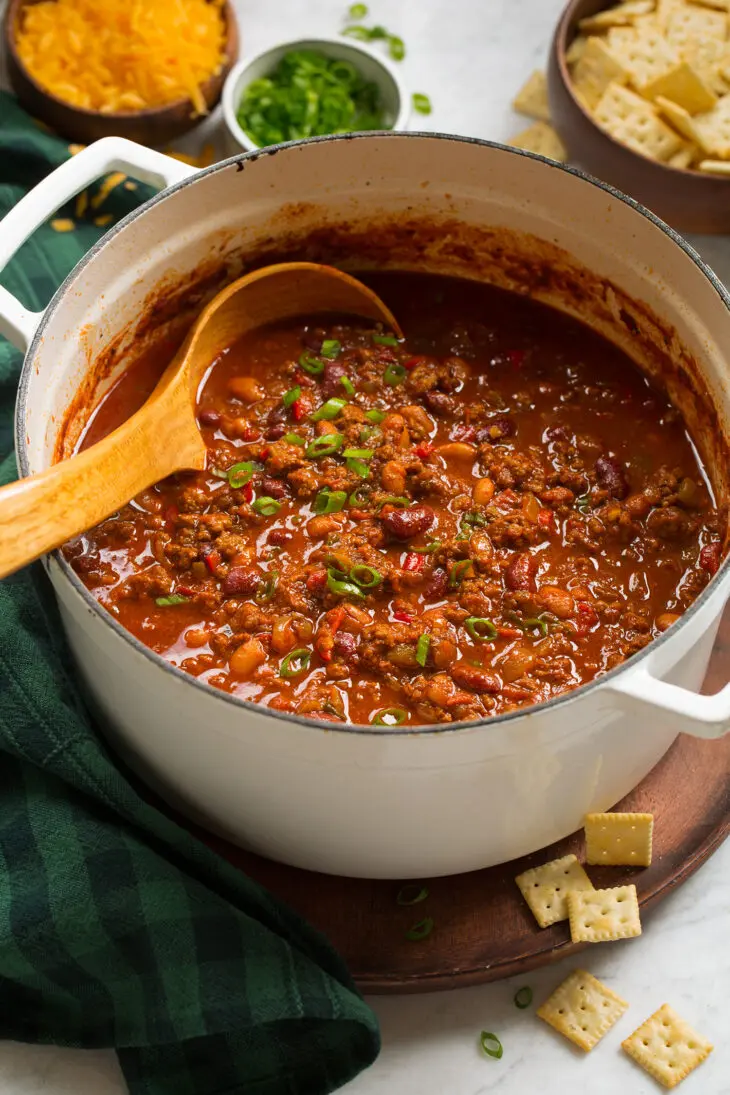 The Ultimate Homemade Chili Recipe for Cold Weather
 The Nutritional Power of Pumpkin Beyond Seasonal Desserts
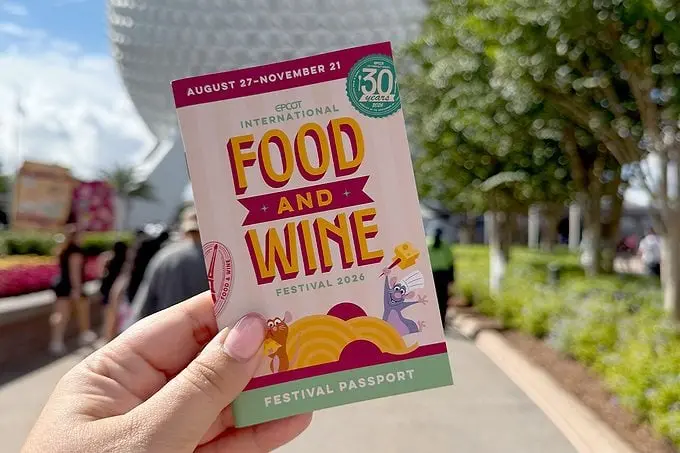 A Culinary Journey Through the 30th Epcot International Food and Wine Festival
 Burger King Unleashes Hello Kitty Kids' Meal with Ultra-Rare Golden Collectible
The science behind slow roasting involves coaxing out moisture gradually. As the tomatoes warm, their natural sugars concentrate, creating a rich, almost syrupy consistency. A light coating of olive oil and a sprinkle of salt enhance this transformation, drawing out flavors while preventing sticking.
High oven temperatures may seem faster, but they often result in charred exteriors and watery centers. Cooking tomatoes at 300°F allows even heating throughout, ensuring every piece develops that signature depth. This method also preserves the fruit’s structure, making them ideal for salads, pasta, or spreading on crusty bread.
How Long Should You Really Roast Tomatoes?
Chefs and home cooks alike praise the versatility of slow-roasted tomatoes. They store well in the fridge for up to a week, developing even more flavor over time. Many recipes call for garlic or herbs, but purists stick to oil and salt to let the tomato shine.
Timing depends on tomato variety and desired texture. Cherry tomatoes halved and roasted for 45 minutes yield tender bursts of sweetness. Larger beefsteak slices may need closer to 60 minutes. The goal is a soft, slightly wrinkled appearance with concentrated color.
Overcooking leads to excessive drying, so checking at the 40-minute mark helps avoid mistakes. Once cooled, the tomatoes should feel pliable, not brittle.
Slow-roasted tomatoes add gourmet flair to everyday dishes. Their intense flavor means a little goes a long way, whether tossed into grain bowls or layered in sandwiches. This simple technique elevates humble ingredients into something special.
Frequently Asked Questions
Can I roast tomatoes at a higher temperature to save time? Not recommended. Higher heat causes uneven cooking and burning. Low temperatures ensure consistent results.
Do I need to peel the tomatoes before roasting? No peeling required. The skins remain edible and add texture. They soften during roasting and blend seamlessly into the final dish.
How should I store leftover roasted tomatoes? Keep them in an airtight container in the refrigerator for up to five days. Drizzle a bit of olive oil on top to maintain freshness and prevent drying.
Content written by [email protected] (Martha Brennan) for fancy-meals.com editorial team, AI-assisted.