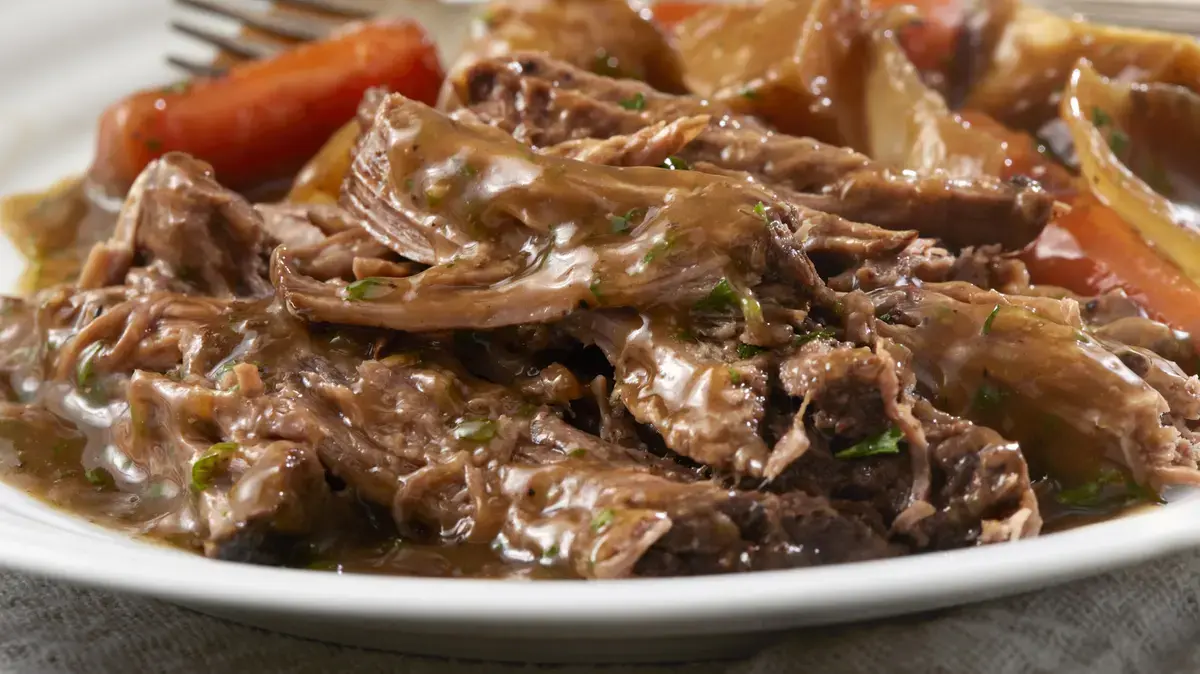
Perfect Temperature for Tender Chuck Roast
The Science Behind Tender Chuck Roast
Cooking a chuck roast to tender perfection requires patience and attention to temperature. When done correctly, the result is a deliciously fall-apart texture. The key to achieving this lies in the cooking temperature. Chuck roast cooked at too high a heat becomes tough.
Latest news
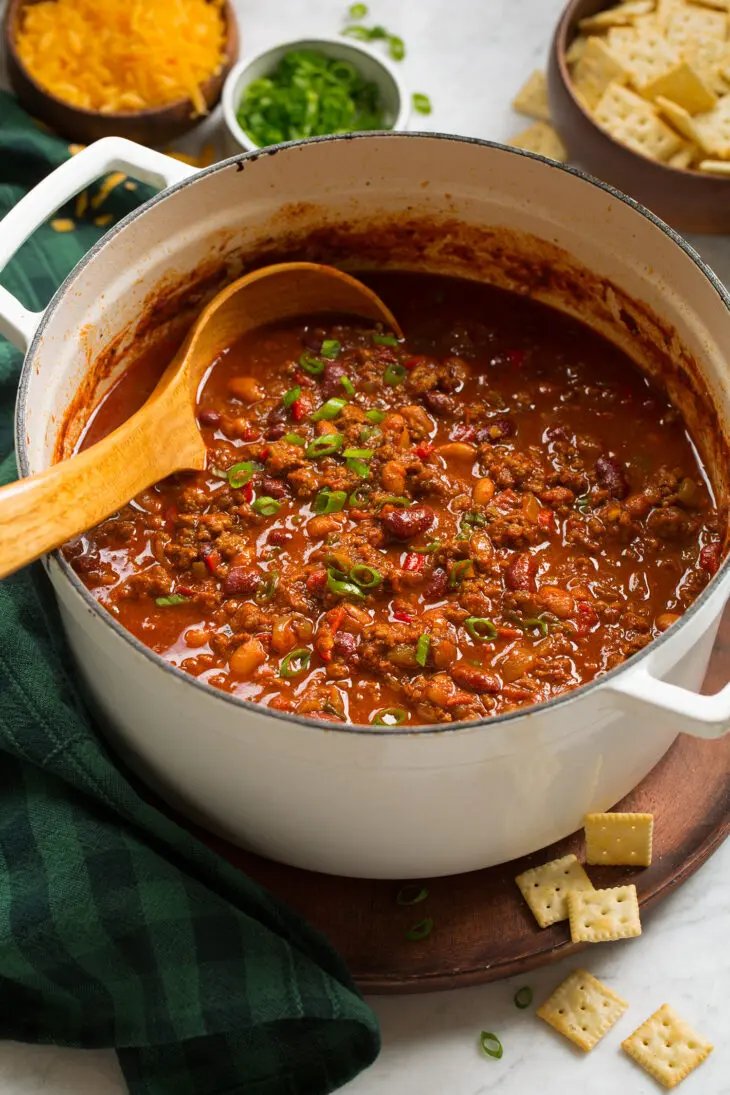 The Ultimate Homemade Chili Recipe for Cold Weather
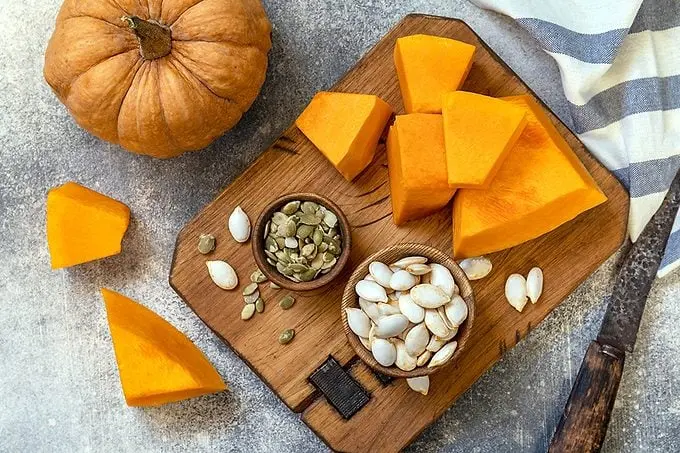 The Nutritional Power of Pumpkin Beyond Seasonal Desserts
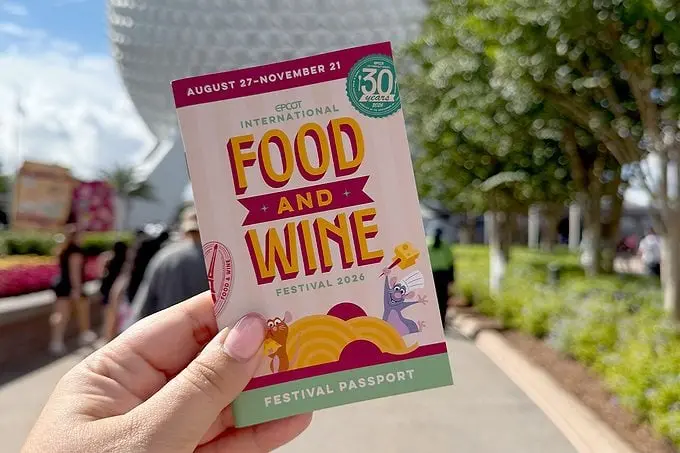 A Culinary Journey Through the 30th Epcot International Food and Wine Festival
 Burger King Unleashes Hello Kitty Kids' Meal with Ultra-Rare Golden Collectible
The proper temperature is crucial for breaking down the connective tissues in the meat, resulting in a tender and flavorful dish. Cooking low and slow is a well-known technique, but the exact temperature is often debated. The ideal temperature for a chuck roast is actually lower than many might expect.
Can You Overcook a Chuck Roast?
Cooking a chuck roast at a low temperature allows the collagen to break down, making the meat tender and easily shredded. This process occurs when the meat is heated to a specific temperature, at which point the collagen starts to dissolve. As a result, the meat becomes tender and develops a rich, intense flavor.
Overcooking can still occur even at a low temperature if the roast is cooked for too long. It's essential to monitor the internal temperature of the roast to avoid overcooking. The internal temperature should be checked regularly to ensure it reaches the optimal level.
Frequently Asked Questions
Failing to cook a chuck roast at the right temperature can result in a tough, unpleasant texture. On the other hand, cooking it to perfection yields a deliciously tender and flavorful dish that's sure to please even the most discerning palates.
What is the ideal internal temperature for a chuck roast? The ideal internal temperature is between 190°F and 195°F. Can I cook a chuck roast at a higher temperature? Yes, but it may become tough and less tender. How long does it take to cook a chuck roast? The cooking time depends on the size and thickness of the roast, but it typically takes several hours.
Content written by Lucas Carter for fancy-meals.com editorial team, AI-assisted.