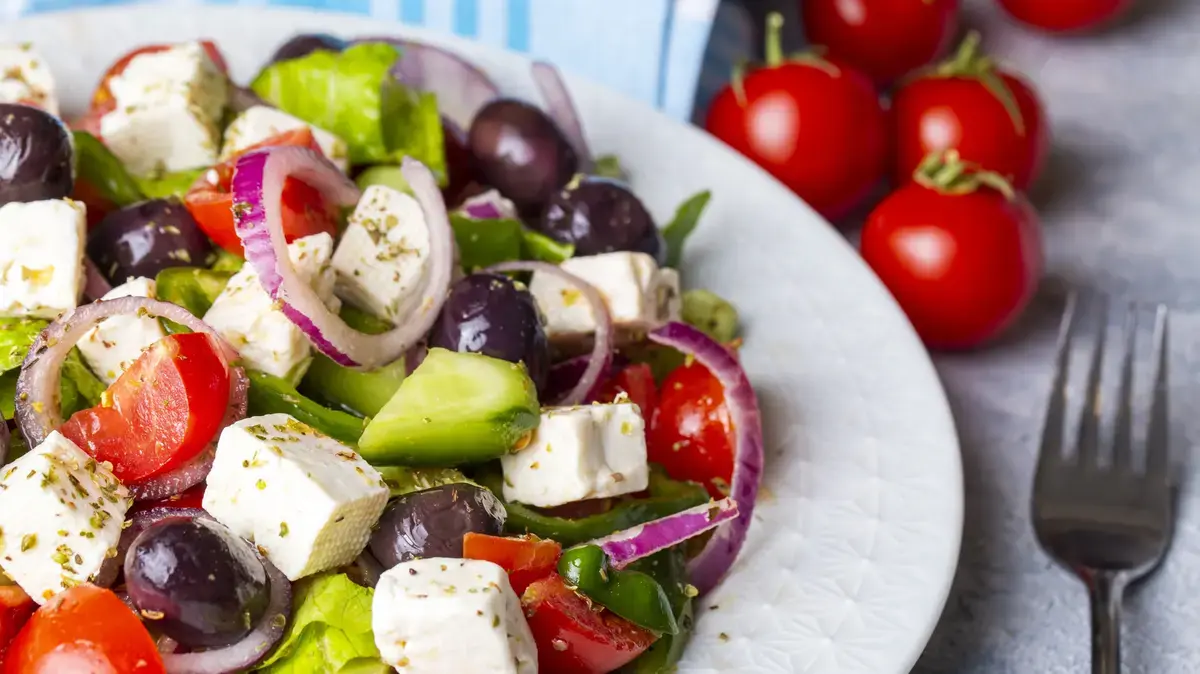
One Simple Step Turns an Ordinary Greek Salad Into a Memorable Dish
How Resting Enhances Flavor Integration
Greek salads have become a staple of Mediterranean cooking worldwide. In early August 2026, culinary experts highlighted a single, low‑effort technique that dramatically lifts the dish’s flavor. The tip is gaining traction among home cooks and restaurant chefs alike, promising a richer taste without extra ingredients.
Latest news
 Costco's Frozen Dumpling Lineup, Ranked From Least To Most Tasty
 Best stainless-steel frying pans 2026: expert-tested picks for searing, eggs and daily cooking
 Trader Joe’s First‑Time Shopper Guide: Must‑Try Items
 Panda Express vs P.F. Chang's: Which Orange Chicken Is Healthier?
The secret lies in allowing the dressed salad to rest for at least thirty minutes before serving. During this pause, the olive oil, lemon juice, and vinegar mingle with tomatoes, cucumbers, and feta. The vegetables absorb the dressing, creating a harmonious balance that far exceeds a hurried toss. Chefs report that the simple wait transforms the salad from bland to unforgettable.
When the salad sits, the acidic components break down cell walls in the vegetables, releasing juices that blend with the oil. This natural marination deepens the taste of each bite. „The difference is striking,” says culinary instructor Maria Kostas. „A rested Greek salad has a depth that you can’t achieve by mixing and plating instantly.” Studies on flavor diffusion confirm that a thirty‑minute interval maximizes aromatic compounds, delivering a more complex palate.
Does the Rest Period Replace Traditional Dressing Techniques?
Some wonder whether the resting step can substitute for more elaborate dressings. The answer is nuanced. While the pause amplifies existing flavors, it does not replace the need for quality ingredients. Fresh olive oil, ripe tomatoes, and authentic feta remain essential. However, the technique reduces reliance on additional herbs or spices, simplifying preparation without sacrificing taste. Restaurants that have adopted the method report higher customer satisfaction and lower waste, as the salad retains its appeal longer.
The broader impact of this practice may reshape how Mediterranean dishes are presented. Home chefs are likely to experiment with resting times for other salads, while eateries might feature „marinated” versions on menus. As the trend spreads, the humble Greek salad could become a showcase of effortless culinary science, reinforcing the appeal of simple, healthful meals.
Frequently Asked Questions
Why does a thirty‑minute rest improve a Greek salad? The pause lets the dressing penetrate the vegetables, balancing acidity and oil while releasing natural juices, which creates a fuller flavor profile.
Can I use this technique with other salads? Yes, most vegetable‑based salads benefit from a short rest after dressing, especially those with robust ingredients like cucumbers, peppers, or onions.
Do I need any special equipment for the rest period? No special tools are required—just a bowl covered with a plate or cling film to keep the salad fresh while it marinates.
Content written by Victoria Lane for fancy-meals.com editorial team, AI-assisted.