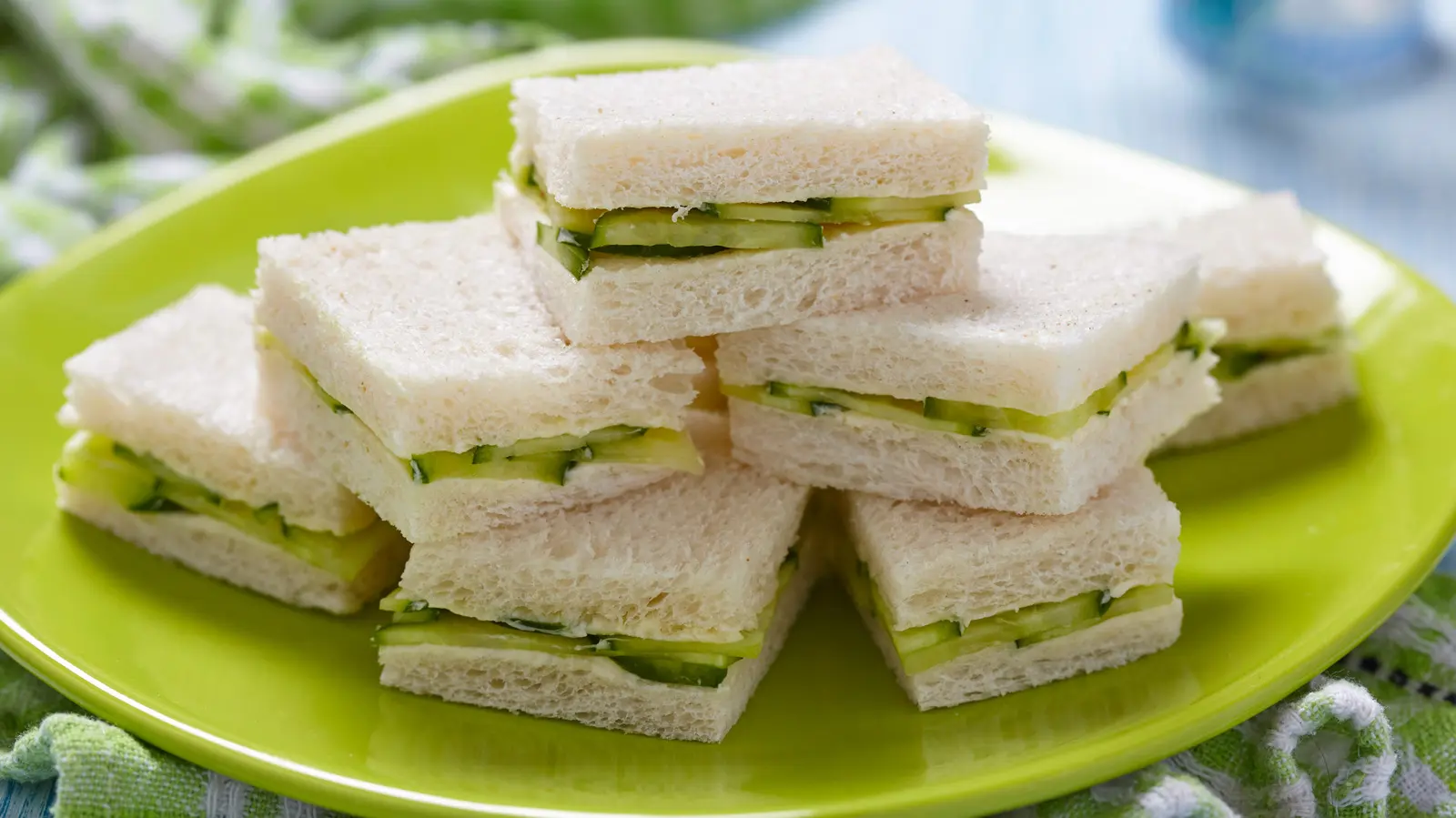
Not Mayo, Not Mustard — Make British-Style Sandwiches By Spreading One Staple On Your Bread
Food experts note this method creates a more balanced mouthfeel, especially in
A simple kitchen staple is transforming how people build sandwiches across the UK, offering a flavorful alternative to traditional spreads. This approach, gaining attention in home kitchens, uses a common ingredient found in most pantries to enhance texture and taste without relying on mayonnaise or mustard. The method reflects a broader trend of reimagining classic sandwich construction with minimal, accessible components. The technique centers on spreading a thin layer of butter directly onto bread before adding fillings, a practice long favored in British sandwich-making. Butter acts as both a moisture barrier and a flavor carrier, preventing sogginess while enriching each bite. Unlike condiments that can overpower delicate ingredients, butter complements a wide range of fillings—from cucumber and egg salad to ham and cheese—allowing the core components to shine.
Latest news
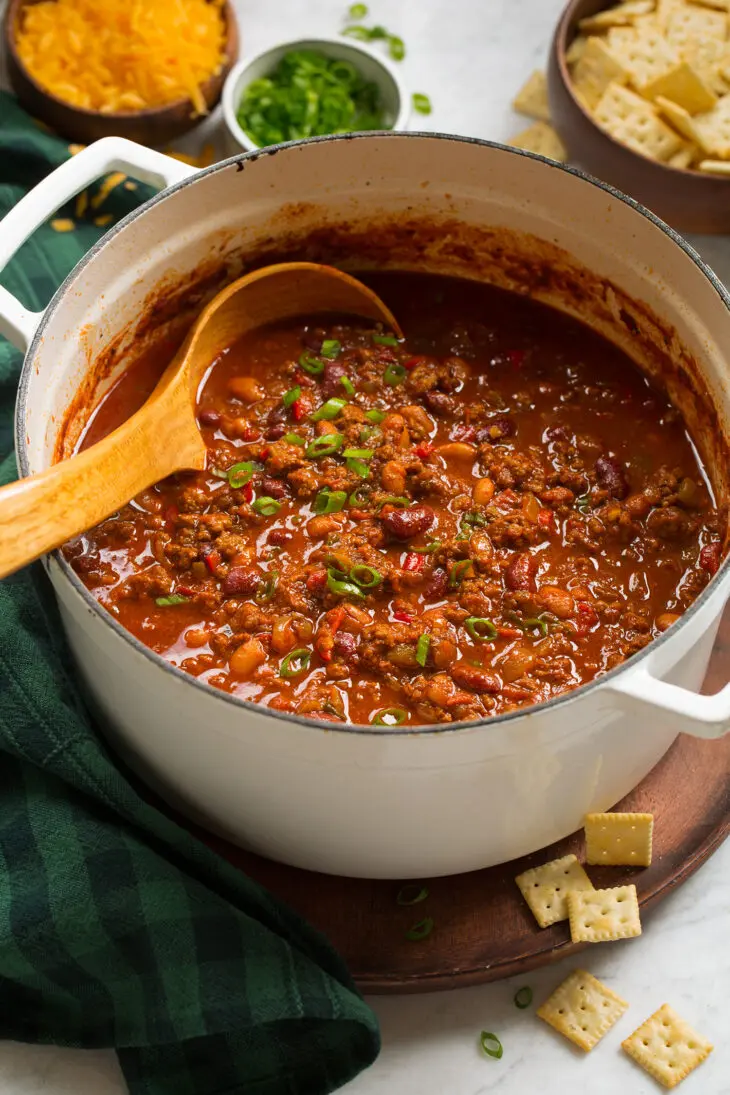 The Ultimate Homemade Chili Recipe for Cold Weather
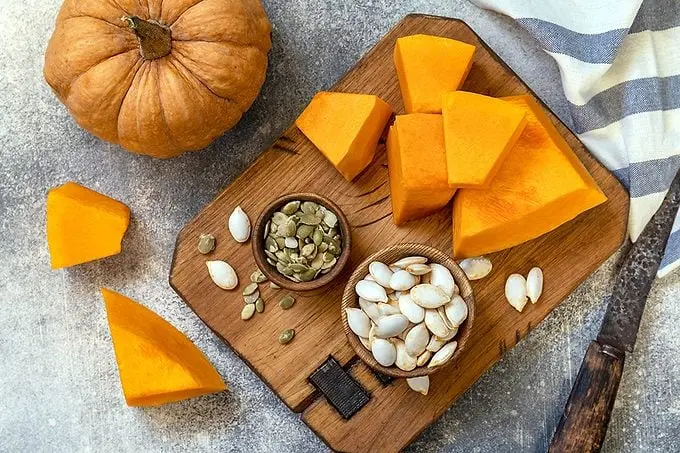 The Nutritional Power of Pumpkin Beyond Seasonal Desserts
 A Culinary Journey Through the 30th Epcot International Food and Wine Festival
 Burger King Unleashes Hello Kitty Kids' Meal with Ultra-Rare Golden Collectible
Food experts note this method creates a more balanced mouthfeel, especially in tea sandwiches where subtlety is key. Why Butter Beats Condiments in Delicate Sandwiches Using butter instead of mayo or mustard helps maintain structural integrity, particularly with watery vegetables like tomatoes or lettuce. It creates a sealed surface that keeps bread crisp longer, making it ideal for packed lunches or picnics. Culinary historians trace this habit to Victorian-era tea rooms, where precision and presentation mattered. Modern home cooks are rediscovering it as a way to elevate everyday meals without extra effort or specialty products. The fat content in butter also carries fat-soluble flavors more effectively than water-based spreads, enhancing herbs and spices in the filling. How Does This Affect Sandwich Shelf Life? Butter’s hydrophobic nature slows moisture transfer from fillings to bread, significantly reducing sogginess compared to aqueous condiments.
This means sandwiches made with butter stay fresh longer, especially when
This means sandwiches made with butter stay fresh longer, especially when prepared ahead of time. While not a preservative, the barrier effect improves practicality for meal prep. Some nutritionists note that while butter adds saturated fat, the amounts used per sandwich are modest and can be part of a balanced diet when paired with nutrient-rich fillings like lean proteins and vegetables. Frequently Asked Questions What type of butter works best for this method? Unsalted butter is preferred for control over sodium levels, though lightly salted varieties work well for savory fillings. It should be softened to room temperature for easy spreading without tearing the bread. Can this be used with hot sandwiches like grilled cheese? Yes, applying butter to the outside of bread before grilling creates a golden, crispy crust while the inner layer still protects against moisture from melted cheese. Is this technique suitable for vegan diets?
Plant-based butter alternatives can replicate the moisture-barrier effect, though results may vary based on fat content and consistency; testing with your preferred brand is recommended.
Content written by [email protected] (Amber Sutherland-Namako) for fancy-meals.com editorial team, AI-assisted.