
Neutral Cooking Oils: What They Are And How To Use Them
Best Uses for Neutral Oils in Everyday Cooking
Neutral cooking oils are versatile fats with mild flavors that won’t overpower dishes, making them ideal for baking, frying, and sautéing when you want other ingredients to shine. Common examples include canola, vegetable, grapeseed, and refined sunflower oils, which are prized for their high smoke points and neutral taste profiles. These oils are staples in home and professional kitchens for everyday cooking tasks where flavor interference is undesirable.
Latest news
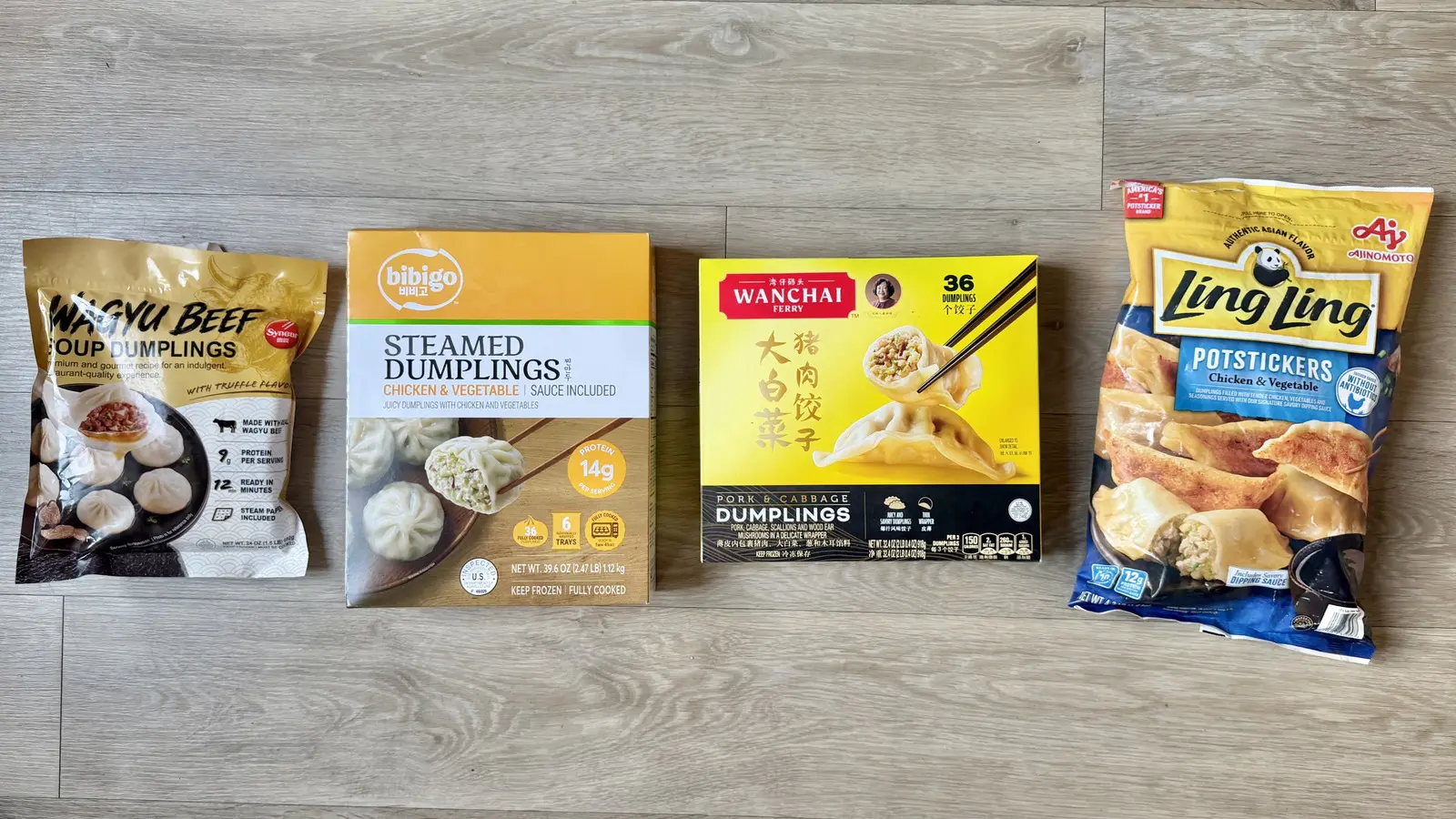 Costco's Frozen Dumpling Lineup, Ranked From Least To Most Tasty
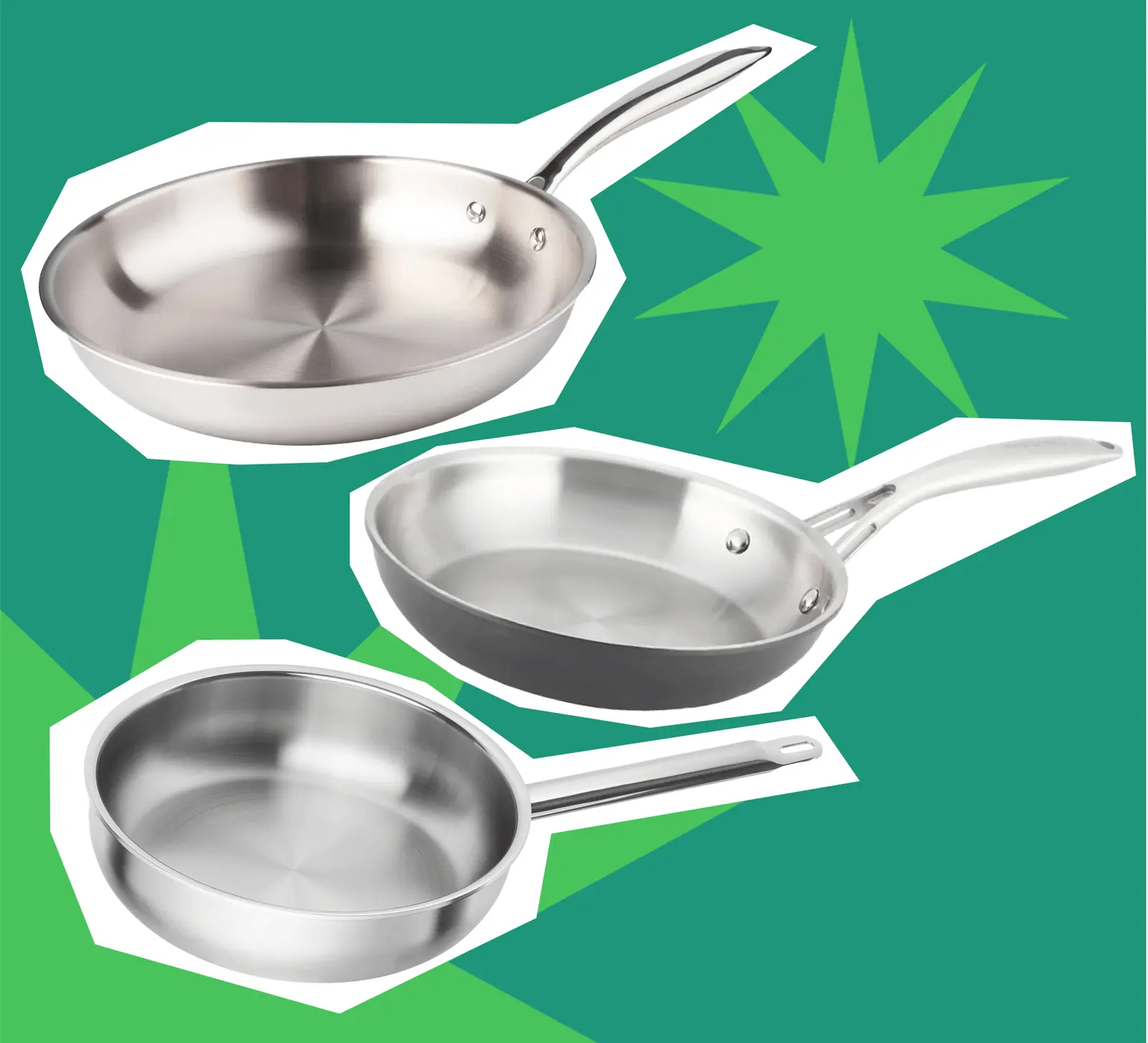 Best stainless-steel frying pans 2026: expert-tested picks for searing, eggs and daily cooking
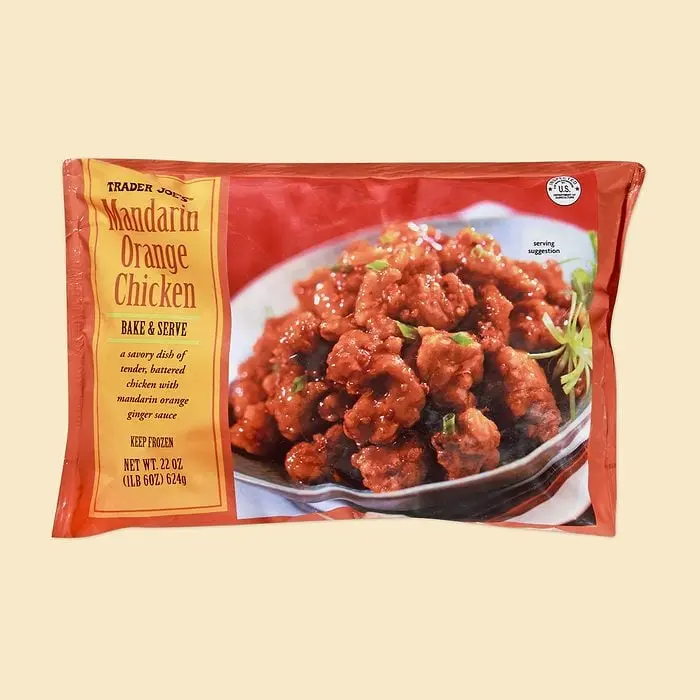 Trader Joe’s First‑Time Shopper Guide: Must‑Try Items
 Panda Express vs P.F. Chang's: Which Orange Chicken Is Healthier?
Unlike strongly flavored oils such as olive or sesame, neutral oils allow spices, herbs, and main ingredients to take center stage without competition. Their chemical stability at high heat makes them suitable for deep-frying potato chips or achieving crispy textures in baked goods. Refined versions undergo processing to remove impurities and flavor compounds, resulting in a clean palate that works across cuisines and techniques.
How Do Neutral Oils Compare to Flavored Varieties?
Neutral oils excel in applications where a clean fat base is needed, such as making mayonnaise, emulsifying dressings, or greasing pans for cakes and muffins. Their high smoke points—often exceeding 400°F—make them reliable for stir-frying vegetables or searing meats without burning. Many home cooks keep a bottle on hand for quick access during routine meal preparation, valuing both performance and affordability.
While olive oil adds fruitiness and coconut oil imparts tropical notes, neutral oils provide a blank canvas that lets recipes follow their intended flavor path. This distinction matters most in delicate baked goods like vanilla cake or shortbread, where even subtle oil flavors can alter the final product. Nutritionists note that most neutral oils contain similar fat compositions, though processing levels vary, so checking labels for refinement methods can inform healthier choices.
What is the smoke point of canola oil? Refined canola oil typically has a smoke point around 400°F, making it suitable for medium-high heat cooking like sautéing and baking.
Frequently Asked Questions
Can I substitute neutral oil for melted butter in recipes? Yes, in most baking recipes, you can replace melted butter with an equal amount of neutral oil, though texture may be slightly lighter or moister.
Are all vegetable oils considered neutral? Most refined vegetable oil blends are neutral, but unrefined or cold-pressed versions may retain stronger flavors, so processing level matters.
Content written by Tasting Table for fancy-meals.com editorial team, AI-assisted.