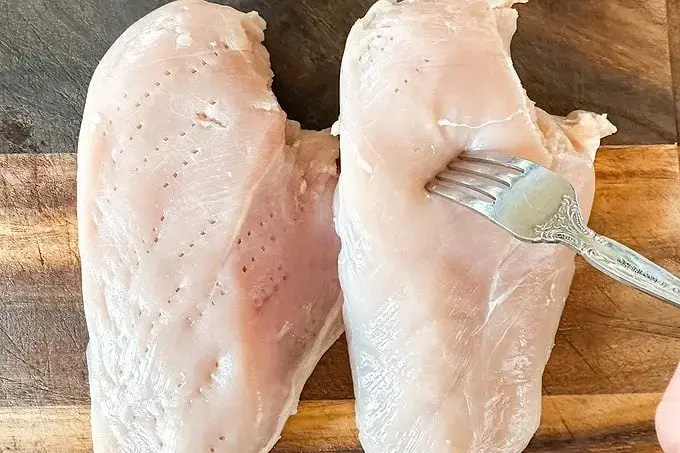
Kiwi Juice Turns Chicken Breast Tender and Juicy, Home Cook Finds
Why Kiwi Works: Enzyme Power
A home cook in the Midwest experimented with kiwi juice as a chicken breast marinade last weekend, after years of brining, pounding, and using dairy‑based marinades. The trial produced unexpectedly moist meat, prompting a fresh look at fruit‑based tenderizers.
Latest news
 Costco's Frozen Dumpling Lineup, Ranked From Least To Most Tasty
 Best stainless-steel frying pans 2026: expert-tested picks for searing, eggs and daily cooking
 Trader Joe’s First‑Time Shopper Guide: Must‑Try Items
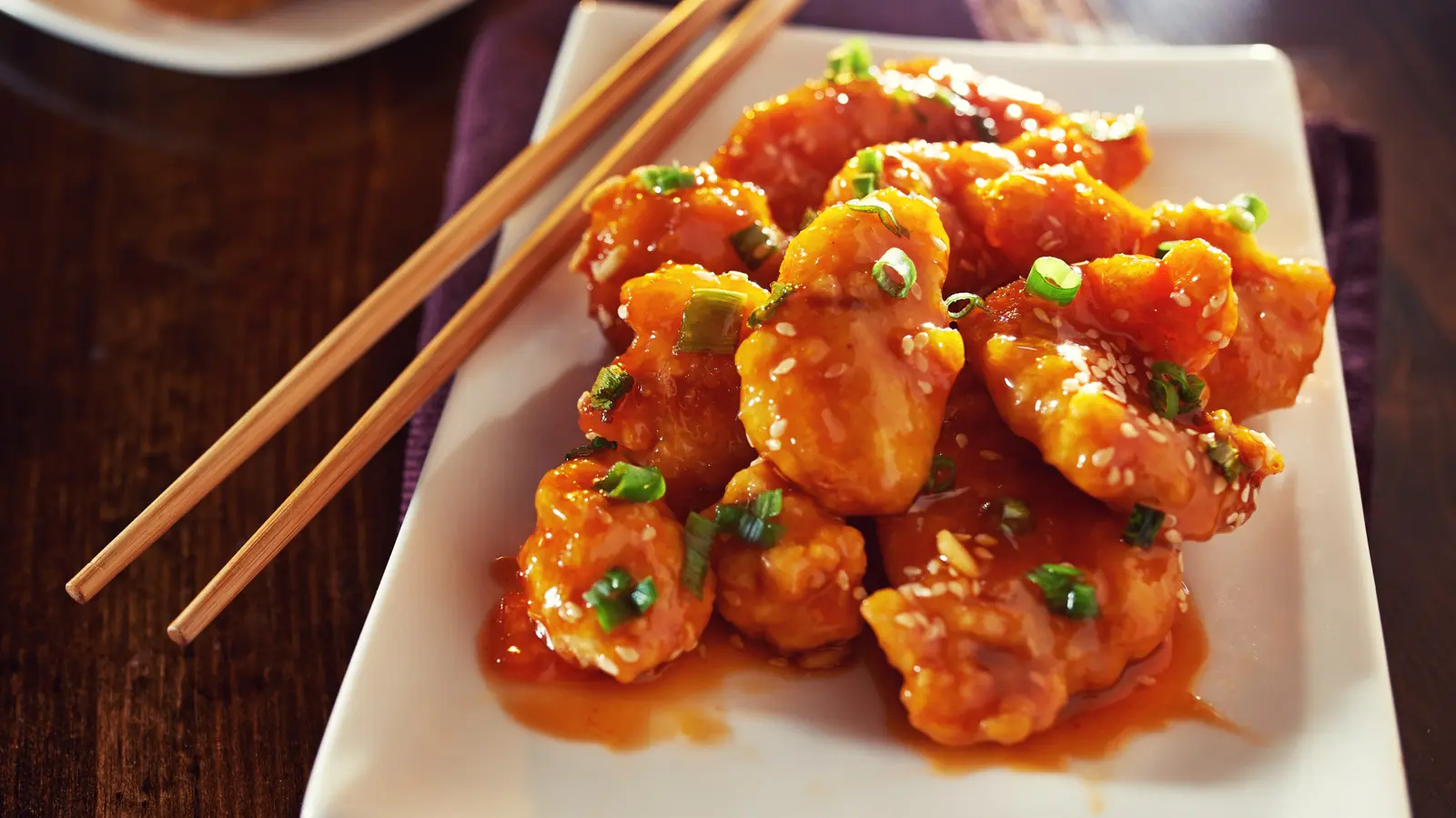 Panda Express vs P.F. Chang's: Which Orange Chicken Is Healthier?
The cook, who prefers to remain anonymous, combined freshly squeezed kiwi juice with a pinch of salt and let the chicken sit for thirty minutes before searing. The result was a succulent breast with a bright flavor profile. The experiment built on earlier attempts with buttermilk, yogurt, and pickle juice, all of which had delivered decent but not spectacular moisture.
Kiwi contains actinidin, a proteolytic enzyme that breaks down muscle fibers. When applied to raw chicken, the enzyme softens the protein structure, allowing juices to stay trapped during cooking. The cook noted that the meat felt noticeably softer after the short soak, even before heating. Laboratory tests confirm that actinidin works at room temperature, making it an efficient tenderizer without lengthy marination times.
Can Other Fruits Replace Kiwi in the Marinade?
„After thirty minutes in kiwi juice, the chicken was already tender,” the cook said. „I didn’t need to brine for hours or use heavy sauces. The fruit did the heavy lifting.” The simplicity of the method also reduces prep mess, as the juice can be strained and reused for sauces or dressings.
While kiwi is especially potent because of actinidin, other fruits such as pineapple and papaya contain similar enzymes—bromelain and papain, respectively. However, those enzymes are stronger and can turn meat mushy if left too long. The cook recommends a brief exposure of ten to twenty minutes for pineapple or papaya, compared with thirty minutes for kiwi. Citrus fruits lack proteolytic enzymes, so they mainly add flavor without tenderizing effects.
The success of the kiwi experiment may inspire home chefs to revisit fruit‑based marinades, balancing flavor and texture with minimal effort. As more cooks share results, the technique could become a staple in quick‑cook kitchens, especially for those seeking healthier alternatives to oil‑heavy marinades.
Frequently Asked Questions
How long should chicken stay in kiwi juice? A thirty‑minute soak is sufficient to tenderize the meat without risking over‑softening. Longer times may lead to a mushy texture.
Do I need to peel the kiwi before using its juice? No. The skin contains additional nutrients and can be blended with the flesh, then strained if a smoother liquid is desired.
Will the kiwi flavor dominate the dish? Kiwi adds a subtle tang, but it does not overwhelm. Pairing with herbs, garlic, or spices balances the fruit’s brightness.
Content written by Lucas Carter for fancy-meals.com editorial team, AI-assisted.