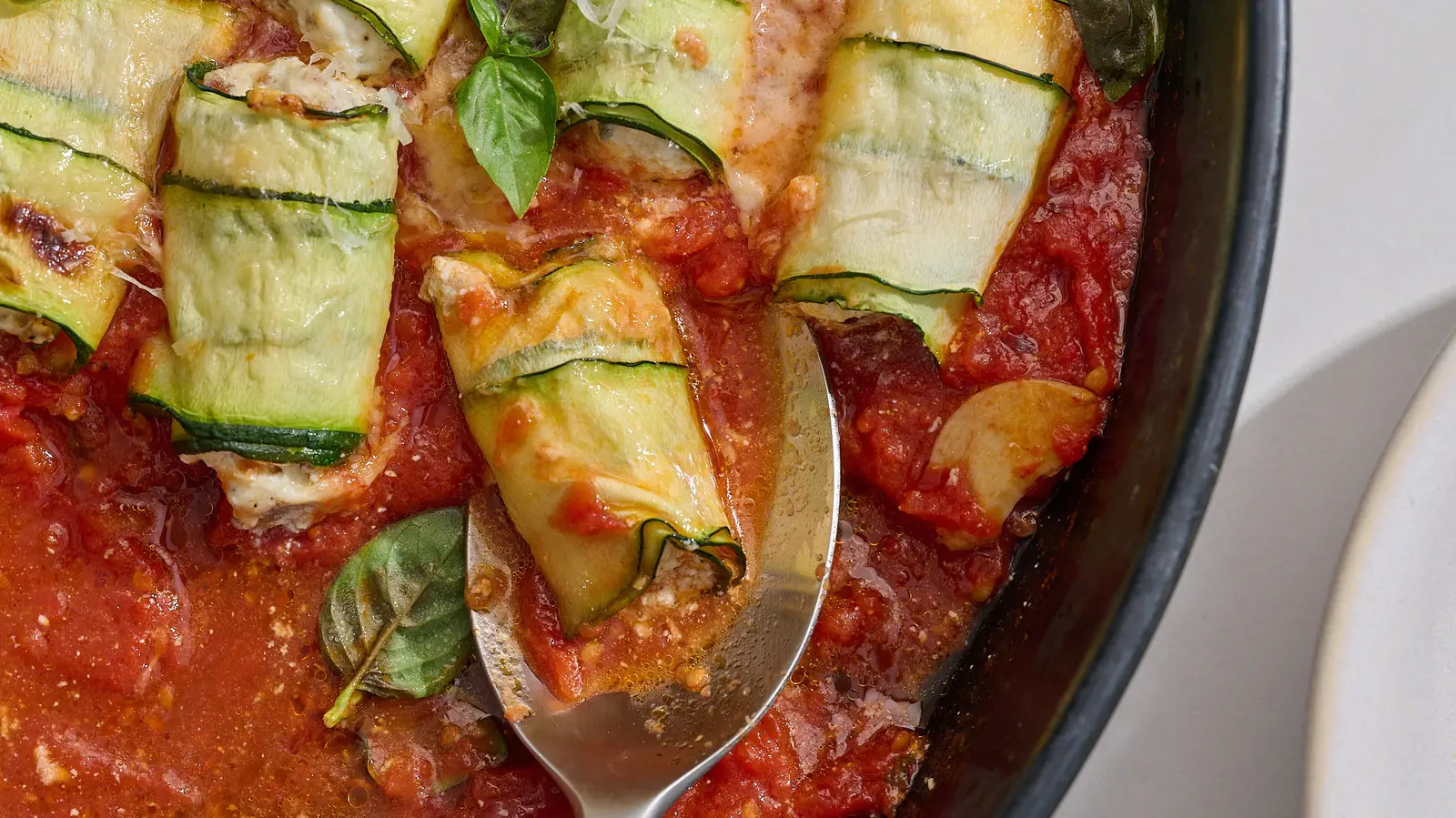
Italian Sausage and Zucchini Involtini Bring Summer Flavors to the Table
From Garden to Plate: Why Zucchini Involtini Are Perfect for Warm Weather
A fresh summer dish is gaining attention in home kitchens across the country. Chefs and home cooks alike are rolling thin ribbons of garden zucchini around savory Italian sausage, finishing the bundles with a bright splash of lemon. The result is a light, aromatic entrée that showcases seasonal produce and classic Italian technique.
Latest news
 Costco's Frozen Dumpling Lineup, Ranked From Least To Most Tasty
 Best stainless-steel frying pans 2026: expert-tested picks for searing, eggs and daily cooking
 Trader Joe’s First‑Time Shopper Guide: Must‑Try Items
 Panda Express vs P.F. Chang's: Which Orange Chicken Is Healthier?
The dish centers on involtini, a traditional Italian method that means „wrapped.” Small parcels are formed by spiraling zucchini slices around a seasoned sausage core, then baked until the vegetables are tender yet still firm. The lemon drizzle adds acidity that balances the richness of the meat, while a drizzle of olive oil and a pinch of garlic complete the flavor profile. This approach lets cooks use abundant summer harvests without relying on heavy sauces, keeping the meal both healthy and satisfying.
Zucchini thrives in the heat, producing plentiful, thin-skinned fruit ideal for rolling. By slicing the squash lengthwise into ribbons, cooks create a natural wrapper that eliminates the need for dough or pastry. The Italian sausage provides protein and a depth of spice, often seasoned with fennel, pepper, and herbs. When the bundles bake, the zucchini releases moisture, preventing the sausage from drying out while absorbing its juices. A final squeeze of lemon brightens the dish, cutting through the fat and enhancing the vegetable’s natural sweetness. The technique also allows for easy portion control; each involtino serves as an individual serving, perfect for family meals or casual gatherings.
Can Involtini Be Adapted for Different Diets?
The versatility of involtini invites countless variations. For a lighter version, lean turkey or chicken sausage can replace pork, and the lemon zest can be amplified for extra zing. Vegetarian cooks might swap the meat for a mixture of ricotta, herbs, and toasted pine nuts, still using the zucchini ribbons as a sturdy vessel. Some chefs experiment with other summer vegetables, such as thinly sliced eggplant or bell pepper, to create new flavor combinations while preserving the core concept of wrapped bundles. These adaptations keep the dish accessible to a broader audience while maintaining its Italian roots.
As more people seek quick, garden-inspired meals, the Italian sausage zucchini involtini stands out as a template for seasonal cooking. Its straightforward preparation encourages home gardeners to showcase their harvests, while its adaptable nature invites culinary creativity. Expect to see this dish appear on restaurant menus and in cooking classes throughout the summer, reinforcing the link between fresh produce and timeless cooking techniques.
Frequently Asked Questions
What thickness should zucchini slices be for involtini? Aim for ribbons about 2‑3 mm thick; they should be flexible enough to roll without breaking but sturdy enough to hold the filling.
Do I need to pre‑cook the sausage before wrapping? No, the sausage can be placed raw inside the zucchini; it will cook fully during the baking process, allowing flavors to meld.
Can I freeze the involtini for later use? Yes, assemble the rolls, place them on a tray, freeze until solid, then transfer to a freezer bag. Bake from frozen, adding a few extra minutes to the cooking time.
Content written by [email protected] (Michelle McGlinn) for fancy-meals.com editorial team, AI-assisted.