
Is It Safe To Hose Down Your Grill?
Why Immediate Hosing Can Damage Your Grill
After a long grilling session, many home cooks face a grill covered in grease, soot, and food residue. The urge to quickly rinse it off with a garden hose is strong, especially when the weather is warm and cleanup feels urgent. However, this common habit may pose risks to both the grill and the person cleaning it, depending on the grill type and condition.
Latest news
 Costco's Frozen Dumpling Lineup, Ranked From Least To Most Tasty
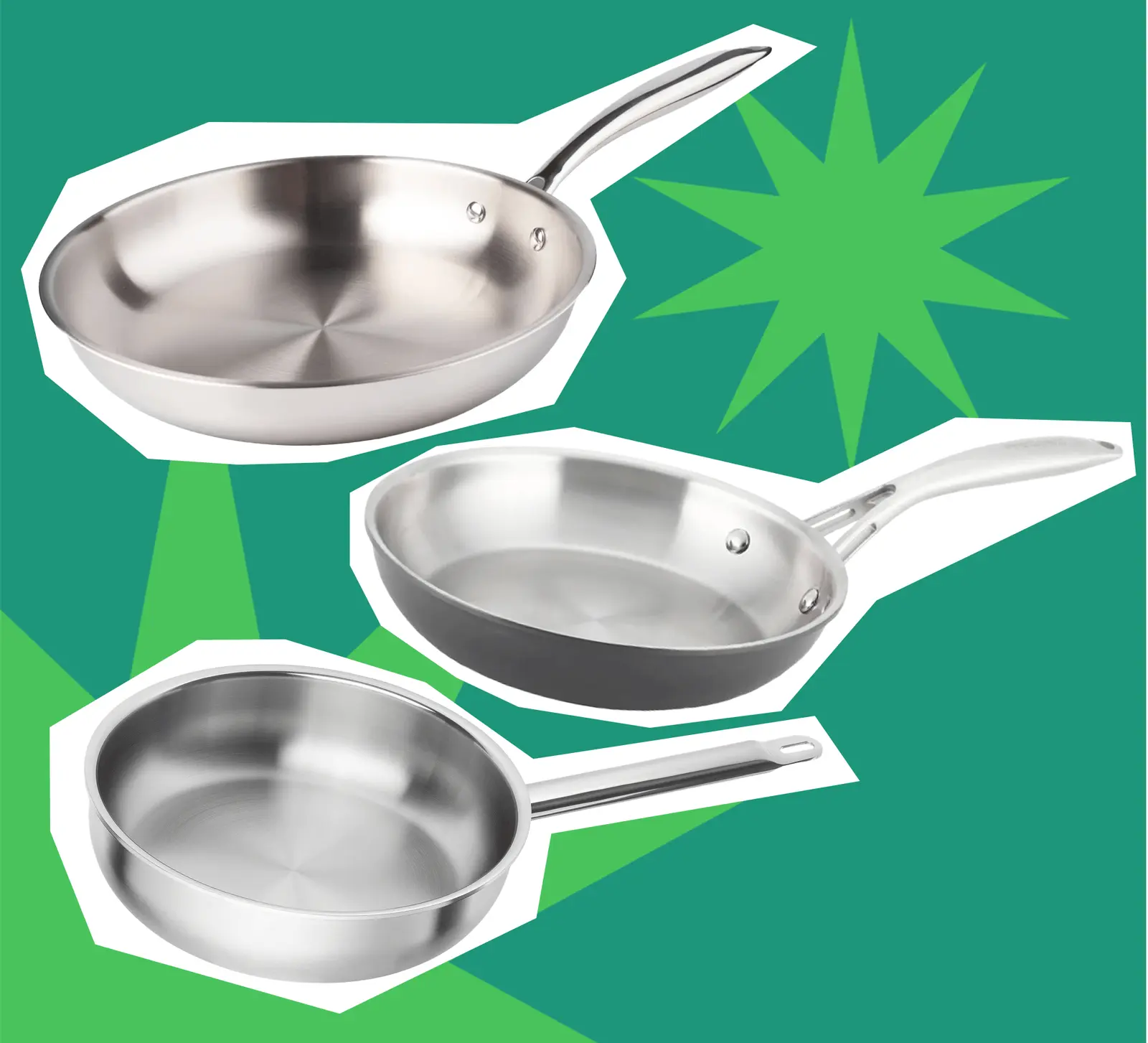 Best stainless-steel frying pans 2026: expert-tested picks for searing, eggs and daily cooking
 Trader Joe’s First‑Time Shopper Guide: Must‑Try Items
 Panda Express vs P.F. Chang's: Which Orange Chicken Is Healthier?
Spraying a hot grill with cold water can cause thermal shock, potentially cracking porcelain-coated surfaces or warping metal parts. For gas grills, water entering the burner tubes or ignition system may lead to rust or malfunction. Experts recommend letting the grill cool completely before cleaning, then using a grill brush and mild soap instead of a direct hose blast. If rinsing is necessary, use low pressure and avoid electrical components or gas valves.
How Should You Clean Your Grill Instead?
Pouring cold water onto a scorching-hot grill creates sudden temperature changes that stress materials. Porcelain enamel, common on many grill grates and lids, can develop hairline cracks when exposed to rapid cooling. These cracks trap grease and bacteria, making future cleaning harder and reducing the grill’s lifespan. Stainless steel is more resistant but not immune—repeated thermal cycling can still weaken joints over time. Manufacturers like Weber and Char-Broil explicitly warn against spraying hot grills with water in their user manuals.
The safest method involves brushing the grates while they’re still warm but not hot, using a stainless steel grill brush to loosen debris. For deeper cleaning, remove the grates and wash them with warm, soapy water, then rinse gently and dry thoroughly. Wipe down the exterior with a damp cloth and mild detergent. For stubborn buildup, a paste of baking soda and water applied with a non-abrasive sponge works well. Always disconnect propane tanks or turn off natural gas before cleaning, and never spray water near electrical igniters or control panels.
Is It Ever Okay to Use a Hose on a Grill?
Only if the grill is completely cool, and even then, caution is advised. A light rinse with low-pressure water may be acceptable for the exterior or removable parts like grease trays, provided they are dried immediately afterward. Never hose down the interior while components are hot or assembled. If you must use water, do so sparingly and follow up with thorough drying to prevent rust. When in doubt, consult your grill’s manual—some models have specific cleaning guidelines that prohibit hose use entirely.
Can hosing down a grill cause rust? Yes, if water is left sitting on metal surfaces, especially in crevices or under components, it can lead to rust over time. Drying the grill thoroughly after any wet cleaning is essential to prevent corrosion.
Frequently Asked Questions
Will a hose void my grill’s warranty? Possibly. Many manufacturers state in their warranties that damage caused by improper cleaning, including using a hose on hot surfaces, may not be covered. Always check the warranty terms before using unconventional cleaning methods.
Is it safe to hose down a charcoal grill? Charcoal grills are generally more tolerant of water than gas models, but spraying hot coals can create dangerous steam bursts. Wait until the grill and ashes are completely cool before using any water, and dispose of ashes properly first.
Content written by Henry Cross for fancy-meals.com editorial team, AI-assisted.