
How To Wash 8 Types Of Fresh Produce, According To A Food-Safety Expert
Mushrooms, which absorb water easily, are best wiped with a damp cloth rather
Food-safety expert Kantha Shelke, Ph. D., founder of Corvus Blue LLC and senior lecturer on food safety, shared guidance on properly washing eight common types of fresh produce in an August 2026 interview. With rising concerns about foodborne illnesses linked to raw fruits and vegetables, her recommendations aim to help consumers reduce contamination risks at home. The advice covers leafy greens, berries, root vegetables, and other produce varieties frequently consumed raw. Proper washing techniques vary by produce type due to differences in surface texture and susceptibility to contamination. Shelke recommends rinsing leafy greens under cool running water while gently separating leaves to dislodge dirt and potential pathogens. For berries, she advises a brief rinse just before consumption to avoid moisture buildup that encourages mold. Root vegetables like carrots and potatoes should be scrubbed with a clean brush under running water to remove soil from crevices.
Latest news
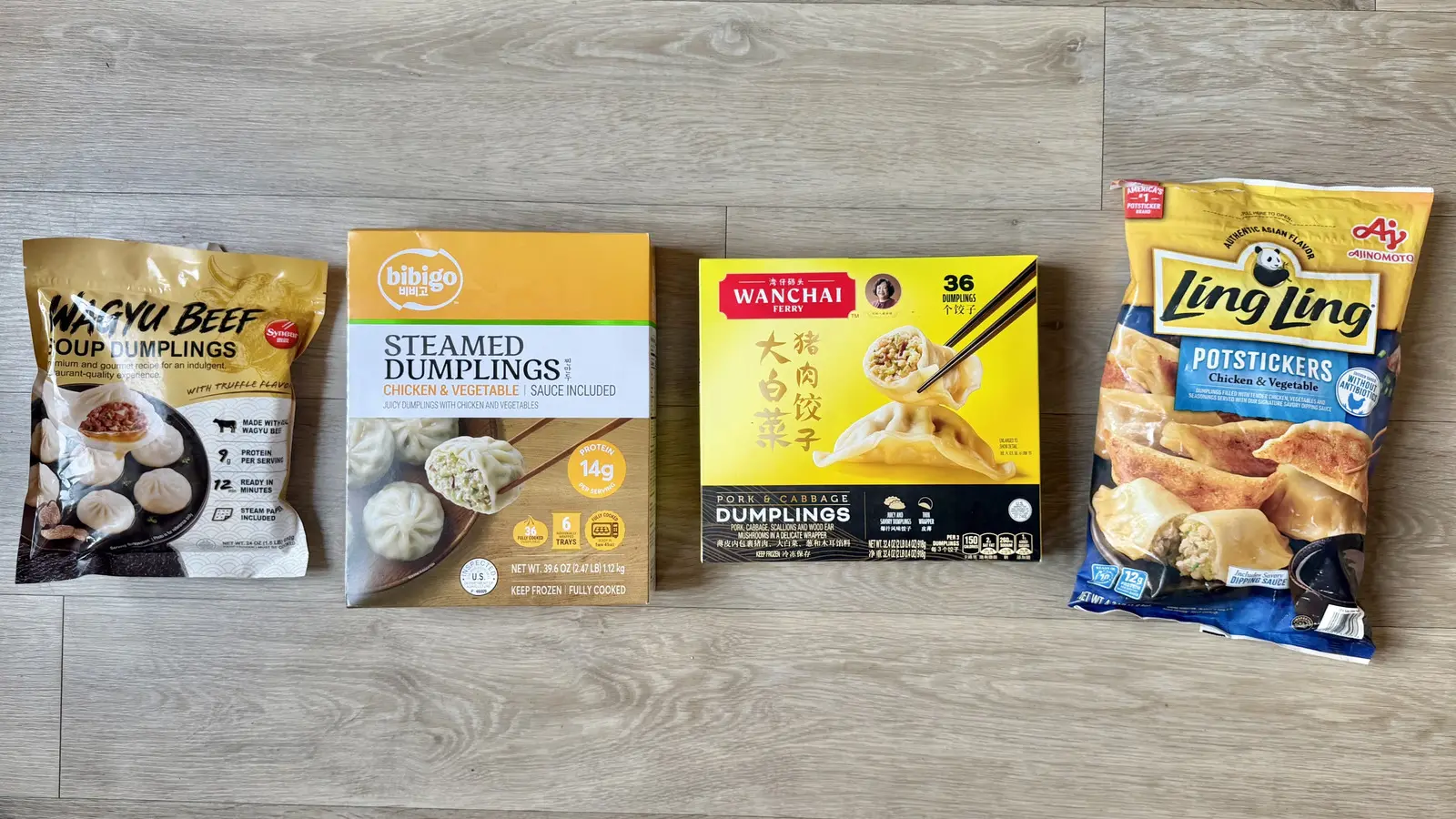 Costco's Frozen Dumpling Lineup, Ranked From Least To Most Tasty
 Best stainless-steel frying pans 2026: expert-tested picks for searing, eggs and daily cooking
 Trader Joe’s First‑Time Shopper Guide: Must‑Try Items
 Panda Express vs P.F. Chang's: Which Orange Chicken Is Healthier?
Mushrooms, which absorb water easily, are best wiped with a damp cloth rather than soaked. Shelke emphasizes that washing should occur immediately before eating or cooking, not during storage, to prevent premature spoilage. Why Water Temperature And Timing Matter In Produce Safety Using cool, running water is more effective than soaking or using hot water, which can damage delicate produce or promote bacterial growth in some cases. Shelke explains that running water creates mechanical action that lifts away contaminants, while stagnant water in a sink or bowl can redeposit dirt onto the surface. She notes that commercial produce washes or vinegar solutions are not necessary for safety and may leave residues if not rinsed thoroughly.
The expert stresses that washing does not eliminate all risks, particularly for
The expert stresses that washing does not eliminate all risks, particularly for pathogens internalized during growth, but significantly reduces surface-level threats like E. coli and Salmonella. How Should Consumers Handle Pre-Washed Or Ready-To-Eat Packaged Greens? Shelke advises against rewashing pre-washed, ready-to-eat greens labeled as such, as doing so may introduce contaminants from home sinks or hands. These products undergo controlled washing and sanitation processes before packaging, and additional handling increases cross-contamination risk. Instead, she recommends storing them refrigerated and using them before the expiration date. For unpackaged or loosely bundled greens, thorough washing remains essential. She also highlights the importance of cleaning hands, utensils, and surfaces before and after handling produce to maintain a hygienic preparation environment. Frequently Asked Questions Is it safe to use soap or detergent to wash fruits and vegetables?
No, Shelke warns that soaps and detergents are not food-safe and can leave harmful residues that are difficult to rinse off completely. Ingesting these substances may cause gastrointestinal irritation or other health issues. Only clean, potable water should be used for washing produce intended for consumption. Should organic produce be washed the same way as conventionally grown produce? Yes, according to Shelke, organic produce requires the same washing practices as conventional varieties. While organic farming avoids synthetic pesticides, it does not eliminate the risk of bacterial contamination from soil, water, or handling during harvest and distribution. Washing remains a critical step for all fresh produce regardless of growing method. Does peeling fruits and vegetables eliminate the need for washing? No, Shelke explains that peeling does not remove the need to wash first. Cutting or peeling unwashed produce can transfer surface contaminants onto the edible interior via the knife or peeler.
Washing before peeling helps prevent cross-contamination and ensures safer consumption.
Content written by Isabelle Fontaine for fancy-meals.com editorial team, AI-assisted.