How To Correctly Add Spices To Your Dish For Maximum Flavor
The aroma shift from raw to fragrant signals readiness for the next step
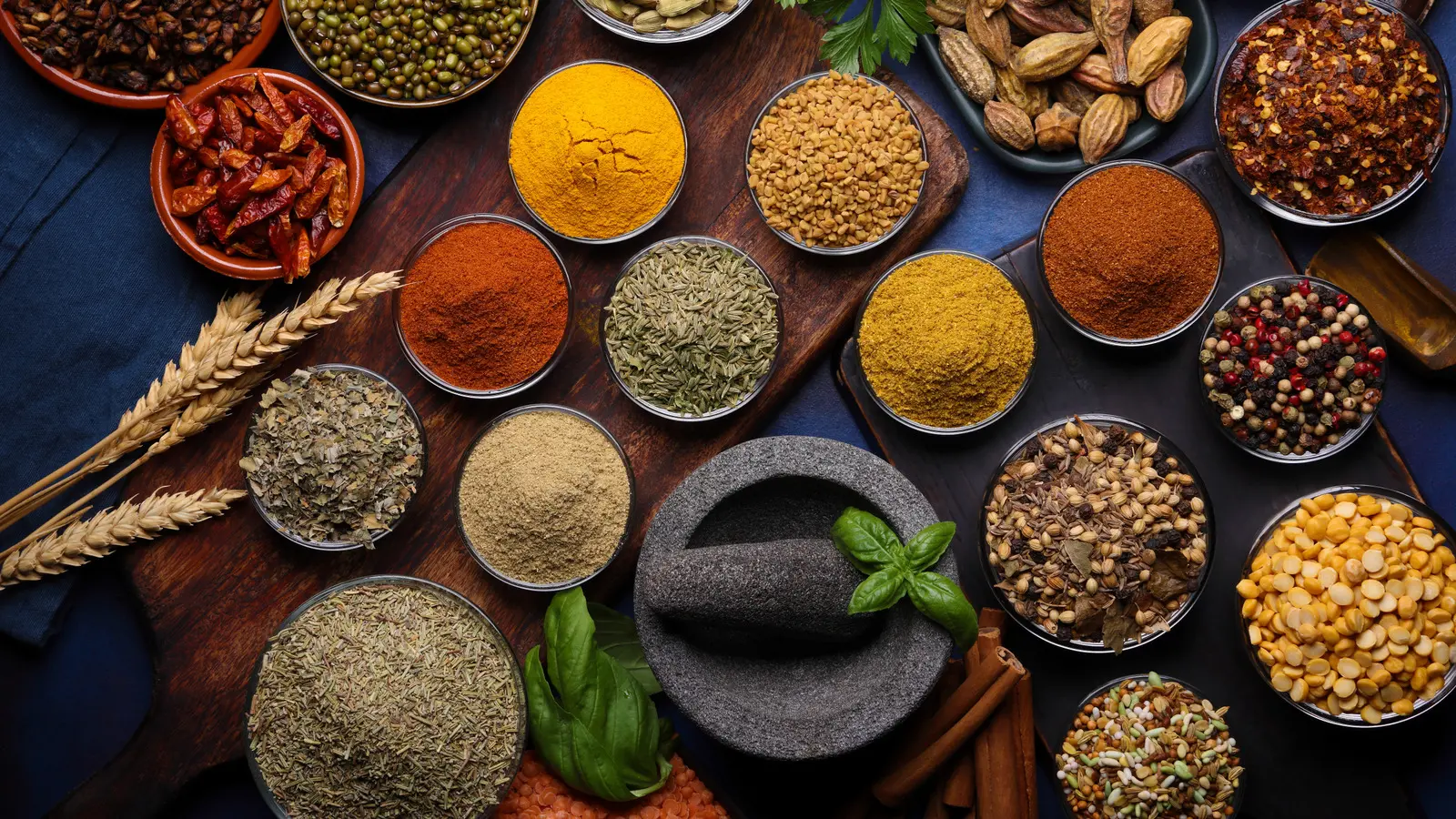
Understanding when and how to add spices transforms ordinary meals into flavorful experiences. Home cooks often overlook timing, leading to muted or bitter results. Proper technique ensures aromatic compounds release fully without burning or fading during cooking. Spices contain volatile oils that react differently to heat and moisture. Whole spices like cumin seeds or peppercorns benefit from toasting in oil first to unlock depth. Ground spices, however, scorch easily and should be added later, often with liquids or near the end of cooking to preserve their essence. Knowing this distinction prevents common mistakes that dull flavor. When Should You Toast Whole Spices? Toasting whole spices in dry or oiled pans awakens their essential oils through gentle heat. This process, lasting only 30 seconds to two minutes depending on the spice, creates a nutty foundation for curries, stews, and rubs. Constant stirring prevents burning, which introduces unpleasant bitterness.
Latest news
 Costco's Frozen Dumpling Lineup, Ranked From Least To Most Tasty
 Best stainless-steel frying pans 2026: expert-tested picks for searing, eggs and daily cooking
 Trader Joe’s First‑Time Shopper Guide: Must‑Try Items
 Panda Express vs P.F. Chang's: Which Orange Chicken Is Healthier?
The aroma shift from raw to fragrant signals readiness for the next step. How Do Liquid Ingredients Affect Ground Spice Addition? Adding ground spices directly to hot oil risks scorching due to their fine texture and low moisture content. Instead, mix them with onions, garlic, or tomatoes first, or bloom them in a small amount of warm liquid like broth or yogurt. This creates a protective paste that distributes flavor evenly and safeguards against harshness. Timing here is critical—too early and they fade, too late and they taste raw. Frequently Asked Questions Can I revive stale spices by toasting them? Light toasting may slightly improve aroma in older whole spices, but ground spices lose potency irreversibly. Freshness remains key for vibrant flavor. Why does my curry taste bitter even after following recipes? Burnt spices, often from overheating ground varieties or over-toasting whole ones, are the likely cause.
Monitor heat closely and adjust timing based on spice type. Is there a difference between adding spices at the start versus the end of cooking? Yes—early addition builds depth and integrates flavors, while late addition preserves bright, top notes ideal for finishing dishes like soups or salads.
Content written by Henry Cross for fancy-meals.com editorial team, AI-assisted.