
How a Simple Brine Turns Tough Pork Chops Into Tender Delights
The Science Behind the Brine
Home cooks across the United States are rediscovering a forgotten kitchen trick that guarantees juicy pork chops. The method, popularized by food writers in early 2026, involves soaking the meat in a salty solution for a few hours before cooking. Chefs say the technique eliminates the dreaded shoe‑leather texture and delivers consistent results.
Latest news
 Costco's Frozen Dumpling Lineup, Ranked From Least To Most Tasty
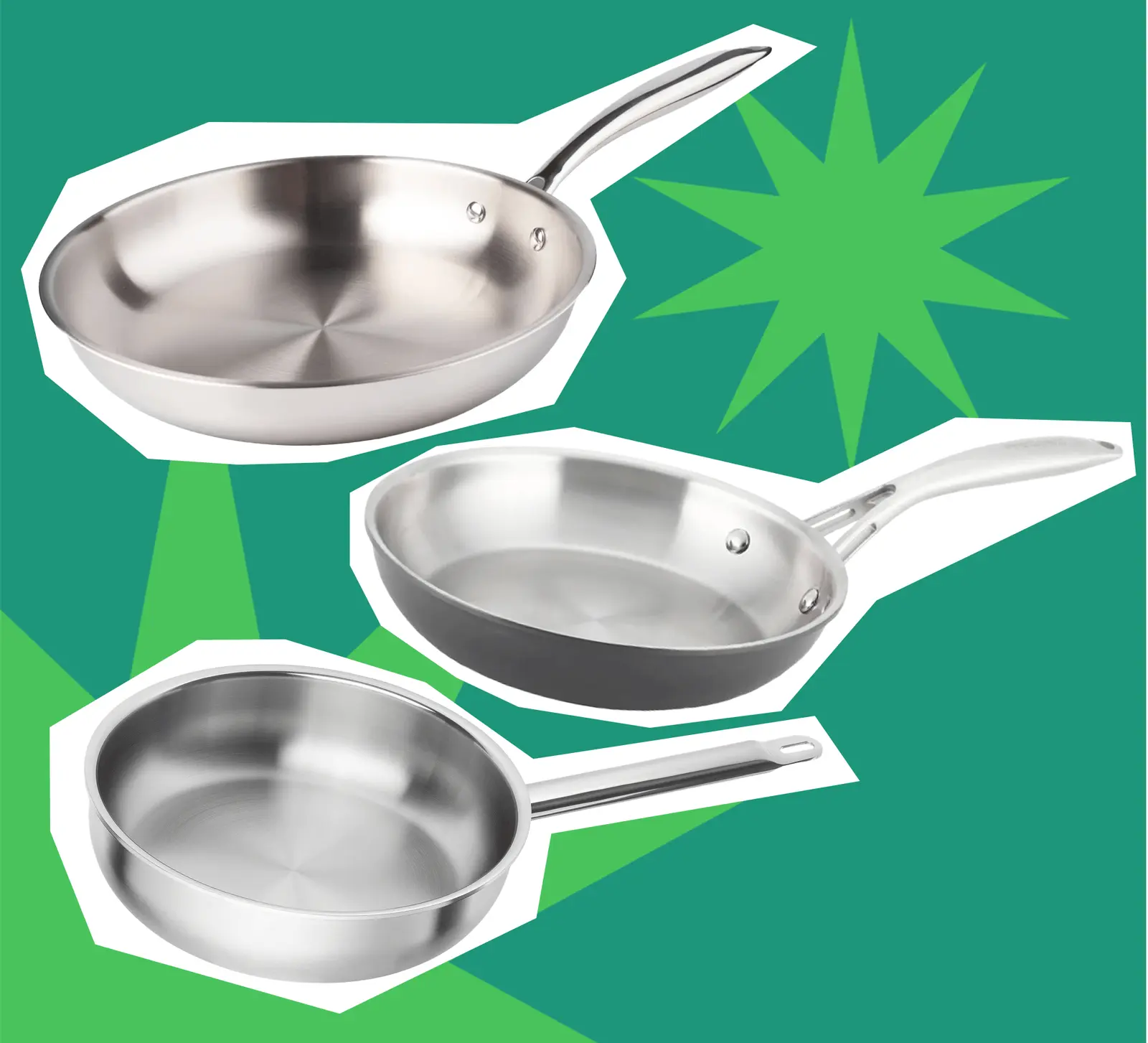 Best stainless-steel frying pans 2026: expert-tested picks for searing, eggs and daily cooking
 Trader Joe’s First‑Time Shopper Guide: Must‑Try Items
 Panda Express vs P.F. Chang's: Which Orange Chicken Is Healthier?
The secret lies in a basic brine made of water, salt, and optional flavor boosters such as sugar, herbs, or garlic. When pork chops sit in the solution, the meat absorbs moisture and the salt breaks down muscle fibers. This process creates a more forgiving cut that stays tender even if the grill temperature fluctuates. Many home chefs report a noticeable difference after just a single trial.
Research shows that a 5‑percent salt solution can increase a chop’s water retention by up to 15 percent. The salt triggers a process called osmosis, drawing water into the meat cells. As the cells swell, they become less prone to drying out during heat exposure. „Brining is essentially a pre‑emptive hydration step,” explains culinary scientist Dr. Lena Ortiz of the Midwest Culinary Institute. „It also seasons the interior, so you get flavor throughout, not just on the surface.”
Can You Skip the Brine and Still Get Juicy Chops?
Temperature control remains crucial. Experts advise chilling the brine before adding the pork, then refrigerating the whole batch for at least one hour. Longer brining periods, up to 12 hours, can deepen flavor but risk a mushy texture if the salt concentration is too high. Adding a touch of sugar balances the saltiness and promotes browning through caramelization.
Some cooks wonder whether dry rubs or marinades can replace brining. The answer is mixed. Dry rubs add flavor but do not supply extra moisture, so the meat can still shrink during cooking. Marinades that contain acid, like citrus or vinegar, can tenderize the surface but often fail to penetrate deeply. „If you’re short on time, a quick salt‑sprinkle before cooking can help,” says chef Marco Delgado of a Chicago bistro. „But it won’t match the consistent juiciness a proper brine provides.”
The consensus among professionals is that brining remains the most reliable method for foolproof pork chops. It requires minimal effort—just dissolve salt in water, submerge the meat, and refrigerate. The payoff is a dinner that pleases both picky eaters and seasoned carnivores.
As more home cooks share their successes on social media, the brine trend is expected to grow. Retailers report a surge in sales of kosher salt and bulk containers, indicating that the „liquid gold” approach is becoming a staple in everyday kitchens. Expect to see more recipe columns and cooking shows championing the technique throughout the year.
Frequently Asked Questions
How long should I brine pork chops? A minimum of one hour works for thin chops, while thicker cuts benefit from two to four hours. Up to 12 hours is safe if the salt level stays at 5 percent.
Can I add aromatics to the brine? Yes. Herbs, garlic, peppercorns, or a splash of apple cider add subtle flavor without compromising the brine’s effectiveness.
Will the brine make the pork salty? If you follow a 5‑percent salt ratio, the meat will be seasoned but not overly salty. Rinse the chops briefly after brining to remove excess surface salt.
Content written by Isabelle Fontaine for fancy-meals.com editorial team, AI-assisted.