
Hot Dog Gets a German Twist
Why German Flavors Work on Hot Dogs
A new take on the classic American hot dog is gaining popularity across the United States. Food enthusiasts are turning to German-inspired toppings and preparation methods to elevate the humble sausage. This trend has emerged in recent months as chefs and home cooks experiment with traditional German flavors.
Latest news
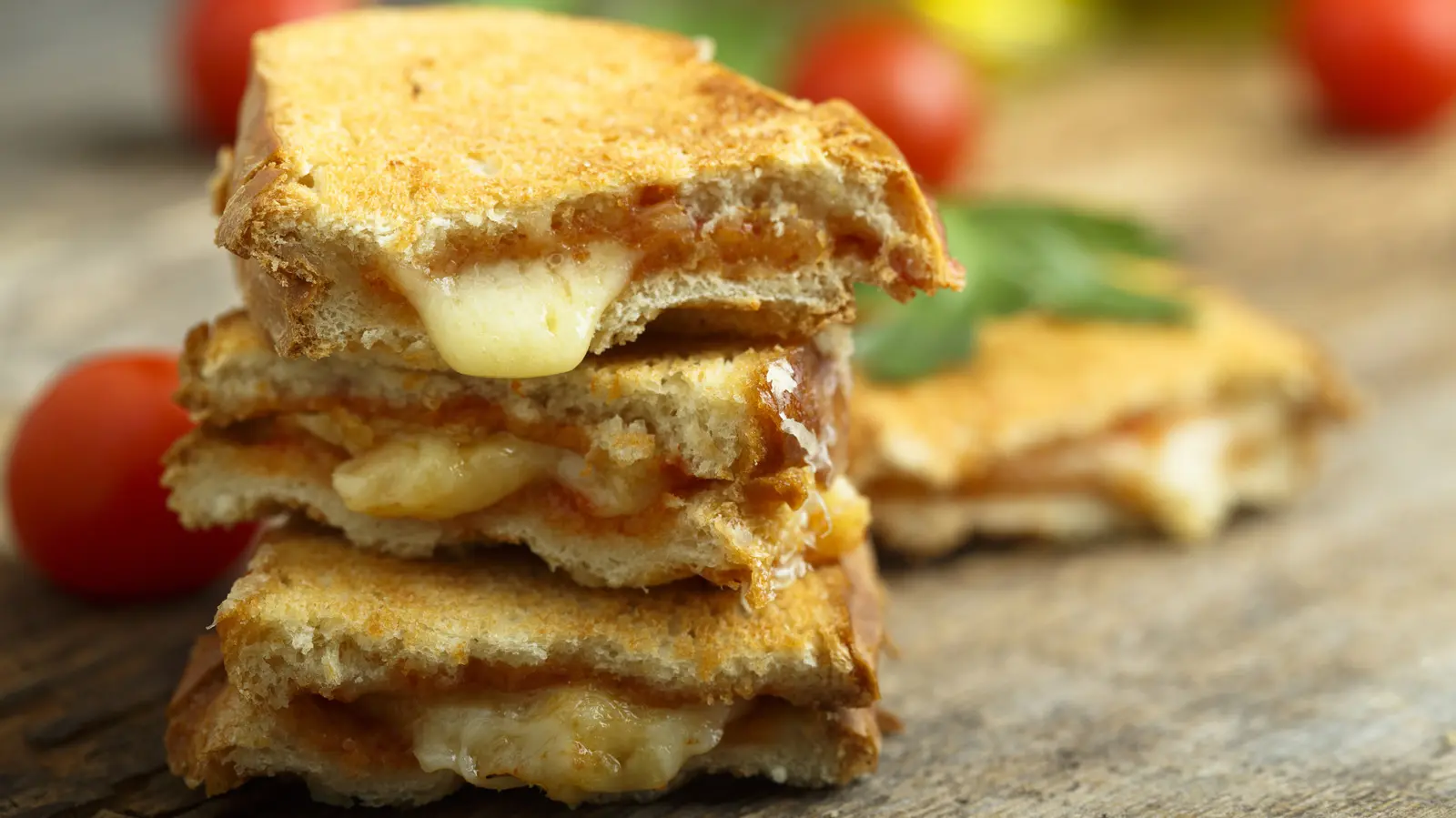 Prosciutto Elevates the Classic Grilled Cheese Sandwich
 Costco Frozen Shrimp Rivals Steakhouse Appetizers
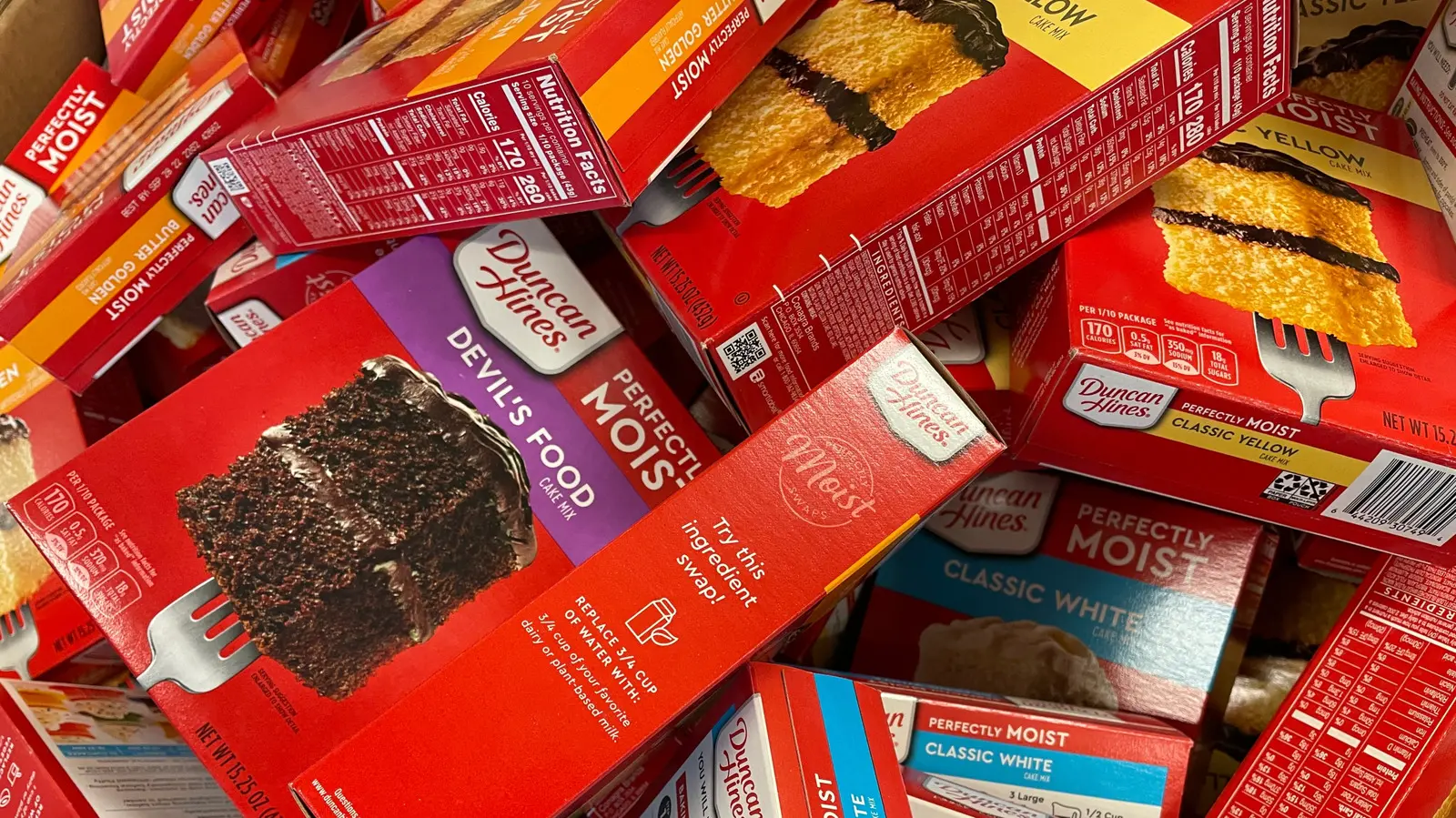 Skip Store‑Shelf German Chocolate for This Rich Duncan Hines Cake Mix
 Severed Sun: A Blood-Red Bourbon Halloween Cocktail
The German upgrade centers on using high‑quality bratwurst or German pork sausage as the base, then adding sauerkraut, mustard, and a sprinkle of caraway seeds. Some vendors also serve the dogs on rye bread instead of the usual bun, creating a heartier bite. The trend has spread to food festivals, diners, and street vendors nationwide, drawing crowds eager to try the new flavor profile.
How to Make the German‑Inspired Hot Dog at Home
German cuisine is known for its robust seasonings and fermented foods. Sauerkraut brings a tangy crunch that balances the richness of the sausage, while mustard adds a sharp, spicy note. Caraway seeds lend a subtle nutty aroma, echoing the spices found in traditional German pretzels. Chefs say these ingredients complement the smoky taste of grilled sausages, creating a more complex palate than the classic ketchup and relish combo.
The shift also reflects a broader move toward authentic, artisanal ingredients. Consumers are increasingly seeking out locally sourced meats and organic produce. By adopting German techniques, hot dog vendors can differentiate themselves and appeal to diners looking for a gourmet twist on a familiar comfort food.
Will This Trend Stick Around?
First, choose a high‑quality bratwurst or German pork sausage. Grill or pan‑fry until browned and cooked through. While the sausage rests, sauté sliced onions and bell peppers in a little oil, then stir in sauerkraut and a pinch of caraway seeds. Warm a rye roll or sturdy baguette, spread a thin layer of mustard, and place the sausage inside. Top with the sautéed mixture and serve immediately. The result is a hot dog that feels both nostalgic and adventurous.
The German‑inspired hot dog is already making waves in food blogs and local news stories. Restaurants that have added the option report higher foot traffic and positive customer feedback. While some skeptics question whether the new flavor will endure, the current enthusiasm suggests it could become a staple in American street food culture. As chefs continue to innovate, the classic hot dog may evolve into a more diverse culinary icon.
What makes a German‑inspired hot dog different from a regular one? It uses German bratwurst or pork sausage, sauerkraut, mustard, caraway seeds, and often rye bread, offering a richer, tangier flavor profile.
Frequently Asked Questions
Can I use a regular hot dog instead of bratwurst? Yes, but the taste will be less authentic. Bratwurst provides the characteristic German seasoning that defines the dish.
Is this trend limited to restaurants? No, many home cooks are experimenting with the recipe, sharing results on social media and cooking blogs, which helps spread the trend beyond the dining room.
Content written by [email protected] (Hilary Wheelan Remley) for fancy-meals.com editorial team, AI-assisted.