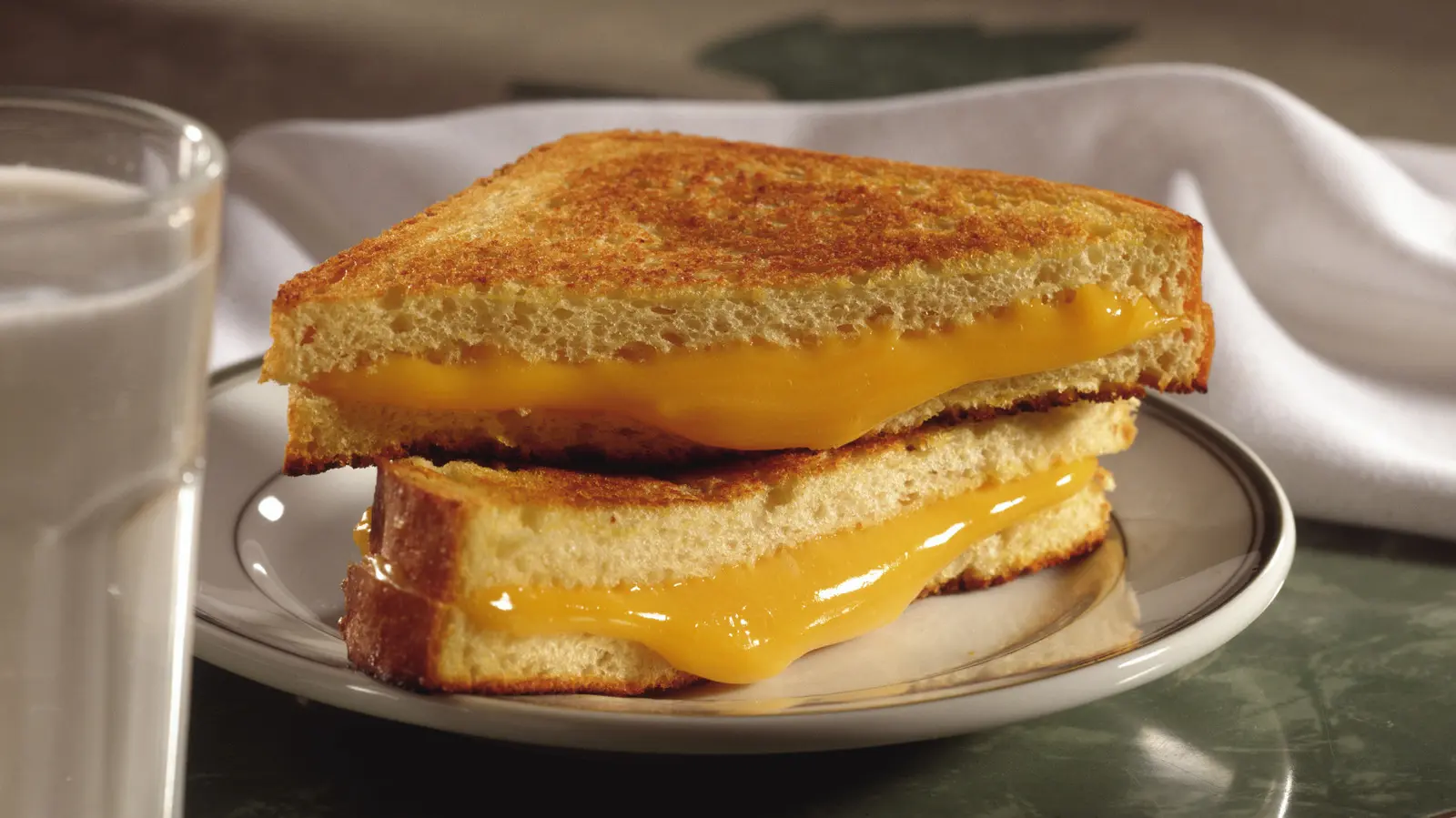
Home Cooks Give Grilled Cheese A Briny Bite With One Jarred Addition
Why Capers Work Better Than Pickles or Olives
A simple pantry staple is transforming the classic grilled cheese sandwich into a tangy, elevated comfort food. Home cooks across the country are discovering that adding a spoonful of jarred capers to their grilled cheese creates a briny contrast that cuts through the richness of melted cheese and buttery bread. This unexpected twist requires no special skills or hard-to-find ingredients, making it an accessible upgrade for weeknight lunches or late-night snacks. The trick works with any cheese variety, from cheddar to gruyère, and has gained traction through social media sharing and word-of-mouth experimentation in home kitchens.
Latest news
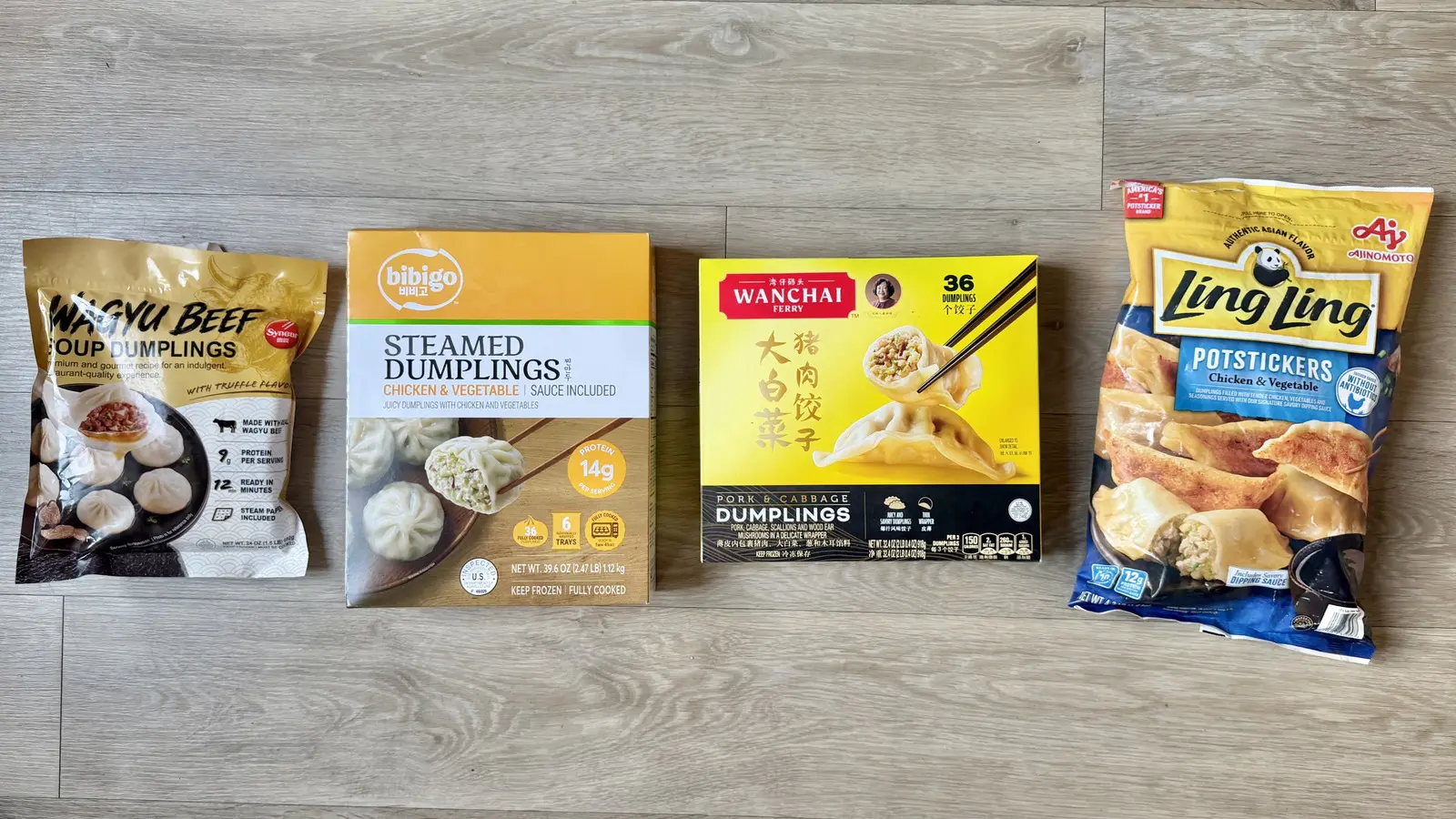 Costco's Frozen Dumpling Lineup, Ranked From Least To Most Tasty
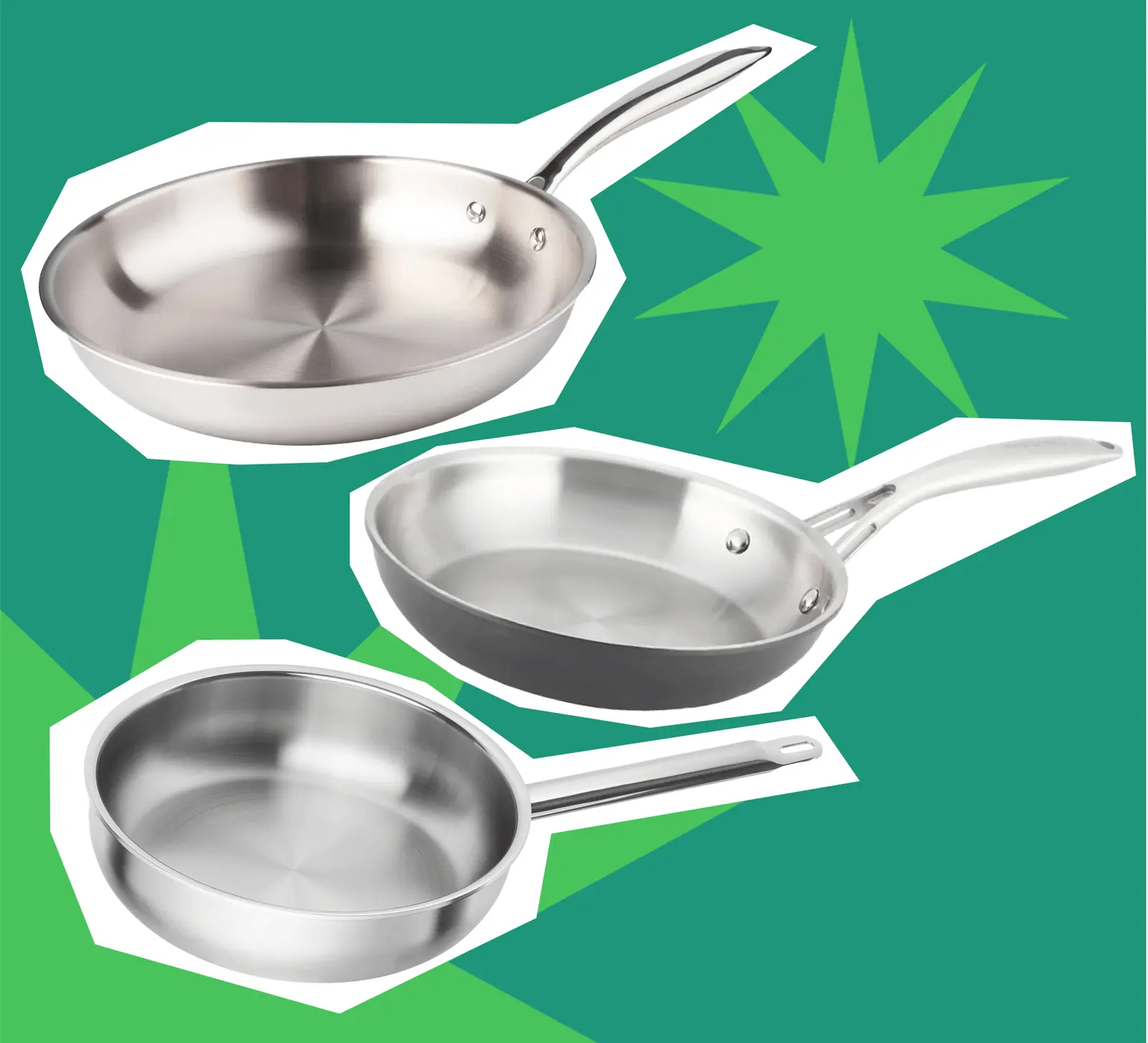 Best stainless-steel frying pans 2026: expert-tested picks for searing, eggs and daily cooking
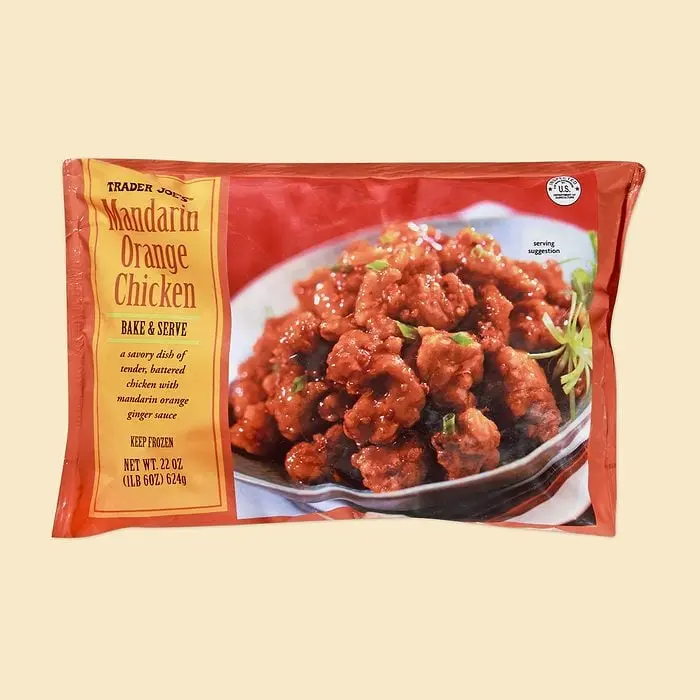 Trader Joe’s First‑Time Shopper Guide: Must‑Try Items
 Panda Express vs P.F. Chang's: Which Orange Chicken Is Healthier?
The technique involves draining a small amount of capers from their jar and scattering them over the cheese before closing the sandwich. As the sandwich grills, the capers warm slightly, releasing their floral, salty notes without losing their characteristic pop. Food enthusiasts note that the acidity and umami depth of capers balance the fat content of the cheese, creating a more complex flavor profile. Some cooks rinse the capers briefly to reduce saltiness, while others embrace the full brine for a bolder kick. The method has been particularly popular with sourdough and rye breads, which provide a sturdy base that complements the assertive flavor.
Unlike pickles, which can make bread soggy, or olives, which often overpower delicate cheeses, capers offer a concentrated burst of flavor in tiny packages. Their small size distributes evenly throughout the sandwich, ensuring each bite contains a hint of brine without overwhelming the melt. Chefs point to the presence of methyl mercaptan in capers—a compound also found in aged cheeses—as a natural affinity that enhances rather than clashes with dairy. This chemical synergy explains why the combination feels intuitive despite its novelty in everyday cooking.
How Much Is Too Much When Adding Brine?
Most home cooks recommend starting with one teaspoon of drained capers per sandwich, adjusting to taste after the first try. Using more than a tablespoon risks making the sandwich overly salty or giving it a medicinal edge, especially if the capers are large or poorly rinsed. The key is to taste the capers straight from the jar before adding them—if they’re intensely salty, a quick rinse under cold water mellows them while preserving their floral notes. Experimentation has shown that combining capers with a thin slice of tomato or a few leaves of arugula creates a balanced bite that echoes the flavors of a niçoise salad, all within the familiar format of grilled cheese.
The trend reflects a broader movement of home cooks using jarred condiments to add sophistication to simple dishes without increasing cost or effort. As grocery prices remain high, such hacks offer a way to elevate meals using ingredients already on hand. Food bloggers predict the caper trick will inspire similar experiments with other briny jarred items like cornichons, pepperoncini, or even giardiniera, though none have yet matched the seamless integration of capers in a melted cheese context. For now, the briny bite remains a quiet revolution in the world of comfort food—one small jar at a time.
Frequently Asked Questions
What type of cheese pairs best with capers in grilled cheese? Sharp cheddar, Swiss, and provolone work particularly well because their bold flavors stand up to the brine without being overwhelmed. Mild cheeses like mozzarella can taste lost unless paired with a stronger variety.
Should capers be chopped before adding to the sandwich? No—leaving them whole preserves their texture and allows for even distribution. Chopping can release too much brine too quickly, making the bread wet and the flavor uneven.
Can this method work in a panini press or air fryer? Yes, the technique adapts well to any heated press method. Just ensure the capers are placed inside the sandwich, not on the outside, to prevent burning and maximize flavor infusion during cooking.
Content written by Tasting Table for fancy-meals.com editorial team, AI-assisted.