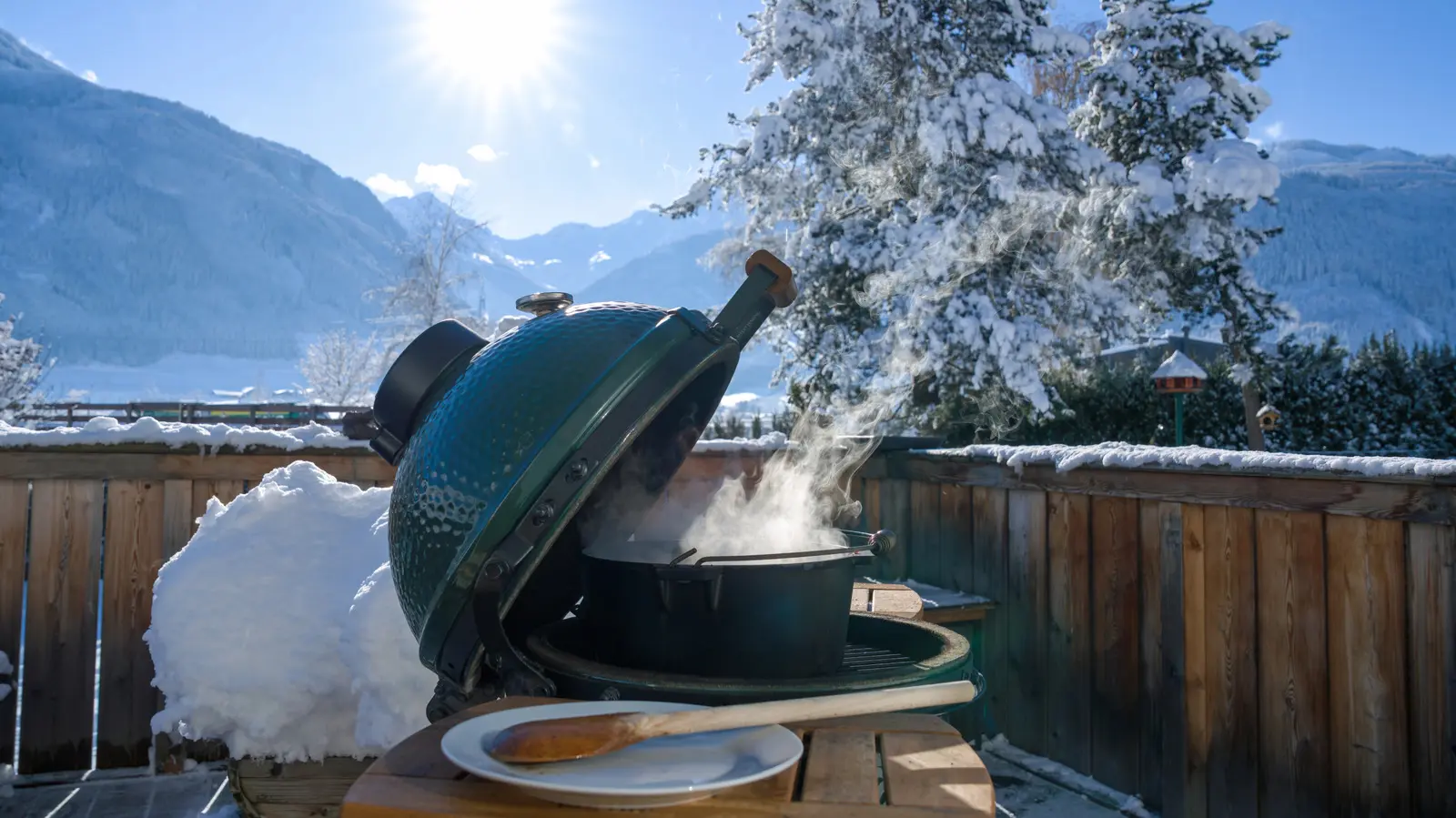
Grilling with charcoal in freezing temperatures presents significant challenges for outdoor cooks
How Cold Air Slows Down the Cooking Process
While many enthusiasts enjoy year-round grilling, cold weather drastically alters the experience. Low temperatures and snow create specific obstacles that can ruin a meal. Understanding these issues helps grillers prepare for harsh conditions effectively. The primary goal remains achieving that distinct smoky flavor. However, the environment works against this objective in several ways.
Latest news
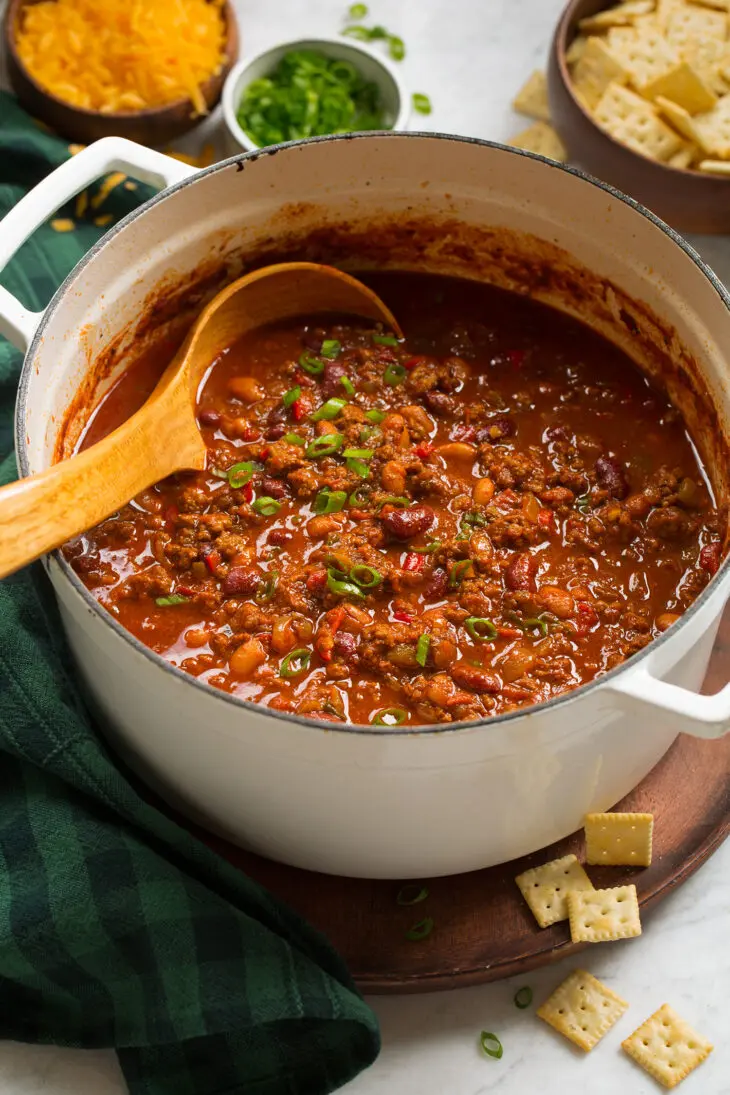 The Ultimate Homemade Chili Recipe for Cold Weather
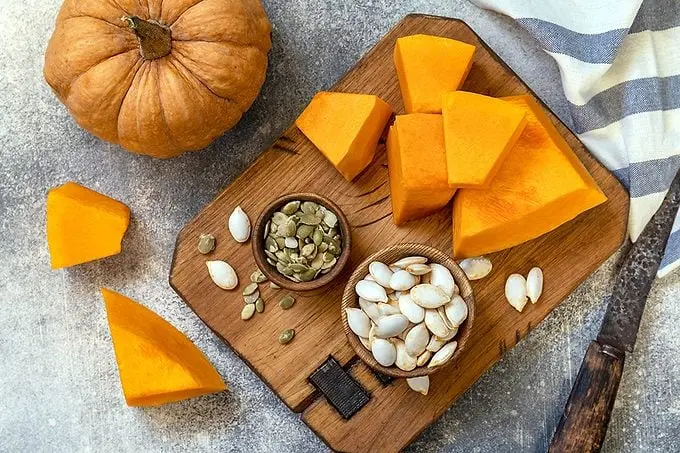 The Nutritional Power of Pumpkin Beyond Seasonal Desserts
 A Culinary Journey Through the 30th Epcot International Food and Wine Festival
 Burger King Unleashes Hello Kitty Kids' Meal with Ultra-Rare Golden Collectible
Cold air significantly reduces the efficiency of a charcoal grill. Charcoal requires heat to ignite and sustain combustion. In freezing conditions, the coals take much longer to reach optimal temperature. This delay extends the total time needed to cook food. Wind also plays a critical role in heat loss. Gusts can strip warmth from the grill chamber rapidly. Cooks must add more fuel to compensate for this energy drain. The result is a less predictable cooking environment. Meat may cook unevenly due to fluctuating heat levels. Internal temperatures become harder to monitor accurately. Gauges may read lower than the actual internal temperature. This increases the risk of undercooked or overcooked results. Patience becomes a necessary trait for winter grillers. Many amateurs find this frustration leads to abandoned attempts.
Why Flavor and Safety Become Complicated
Smoke management becomes difficult in cold, still air. Thick smoke can accumulate around the grill area. This creates a harsh, sooty taste on the food surface. The desired subtle smokiness turns into an overpowering burn. Safety hazards also increase during cold weather grilling. Icy surfaces around the grill pose serious slip risks. Metal parts become brittle and more prone to cracking. Gloves are essential to prevent frostbite on exposed skin. Breathing in dense smoke is uncomfortable in cold air. Respiratory irritation can occur after prolonged exposure. Cleaning the grill afterward is also more arduous. Cold grease solidifies quickly on the grates. Scraping this hardened residue requires extra effort and tools. The overall maintenance burden rises significantly in winter.
Frequently Asked Questions
Can you grill charcoal in freezing temperatures? Yes, it is possible but requires extra fuel and time. You must protect the grill from wind and add more coals.
Does cold weather affect meat flavor? It can lead to uneven cooking and excessive smoke. This often results in a bitter or sooty taste on the meat.
Content written by [email protected] (Dee Lopez) for fancy-meals.com editorial team, AI-assisted.