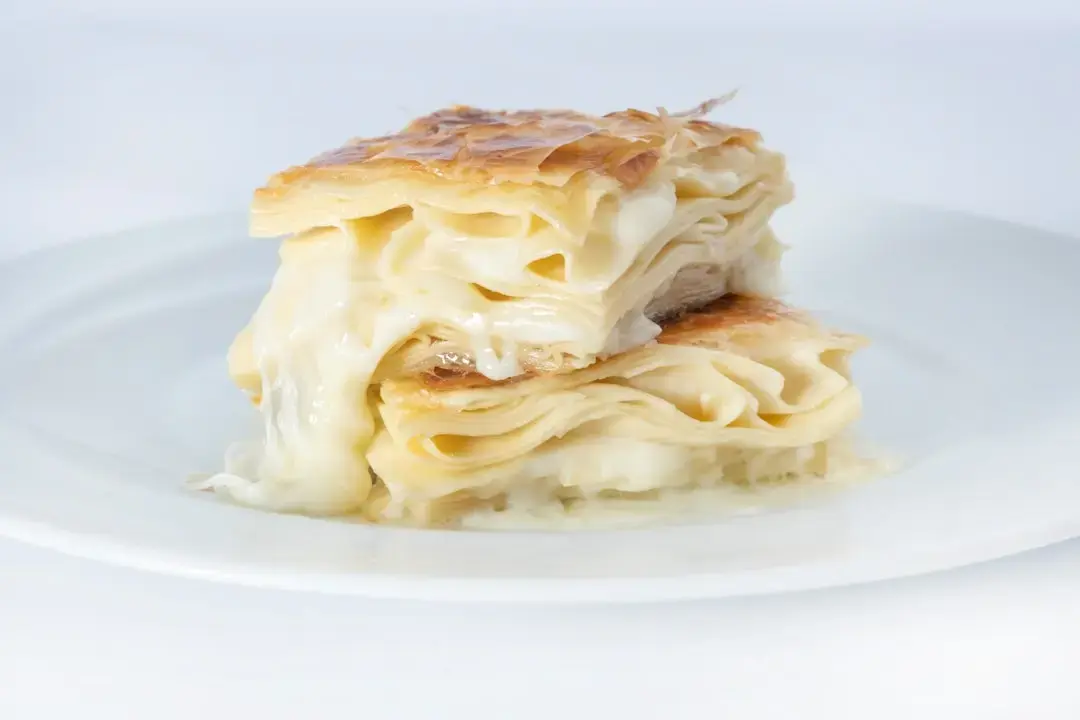
Greek Pastitsio: The Cinnamon-Spiced Baked Pasta That Rivals Moussaka
A Layered Tradition Rooted in Family Rituals
Pastitsio stands as a defining element of traditional Greek home cooking, often overlooked in favor of its more famous cousin, moussaka. This layered baked pasta dish features a rich, cinnamon-spiced meat sauce topped with a thick, golden bechamel layer. It serves as a staple for Sunday meals and family celebrations across Greece.
Latest news
 Costco's Frozen Dumpling Lineup, Ranked From Least To Most Tasty
 Best stainless-steel frying pans 2026: expert-tested picks for searing, eggs and daily cooking
 Trader Joe’s First‑Time Shopper Guide: Must‑Try Items
 Panda Express vs P.F. Chang's: Which Orange Chicken Is Healthier?
The dish represents a distinct category within Greek culinary traditions. While moussaka commands widespread international recognition, pastitsio remains a cherished secret among local households. It is not merely a meal but a cultural marker. Families prepare it for significant gatherings, marking it as essential celebration food. The complexity of its preparation sets it apart from quick weekday dinners.
The construction of pastitsio involves careful layering of ingredients. Cooked pasta sheets form the base, followed by a savory meat mixture. This meat sauce is distinguished by the addition of cinnamon, a spice that adds warmth and depth to the profile. The final layer consists of a generous amount of bechamel sauce. This creamy topping bakes until it achieves a deep golden color. The result is a hearty, comforting casserole that requires patience and skill.
Why Does Cinnamon Define This Specific Dish?
Grandmothers traditionally hold the authority over this recipe. Their versions are considered the gold standard for authenticity. The dish embodies the spirit of slow cooking and communal eating. It is rarely found in fast-paced dining settings. Instead, it thrives in environments where time is abundant and attention to detail is valued. The presence of cinnamon differentiates it from Italian lasagna or other European pasta bakes. This specific spice combination creates a unique flavor identity that is unmistakably Greek.
The use of cinnamon in a savory meat sauce might seem unusual to those unfamiliar with Greek cuisine. However, it is a fundamental aspect of pastitsio’s identity. The spice balances the richness of the meat and the creaminess of the bechamel. It provides a subtle aromatic background that enhances the overall taste experience. This culinary choice reflects broader Greek baking traditions, where spices play a crucial role in both sweet and savory preparations. The interplay between these flavors creates a complex palate that rewards slow savoring.
The dish continues to evolve while maintaining its core structure. Modern cooks may adjust seasoning levels or ingredient ratios, but the fundamental layers remain constant. Its popularity endures because it satisfies a desire for comfort and tradition. As Greek cuisine gains global traction, pastitsio offers a window into domestic life beyond tourist favorites. It highlights the importance of home-based culinary knowledge passed down through generations.
Frequently Asked Questions
Is pastitsio similar to Italian lasagna? While both are layered pasta dishes, pastitsio differs significantly in flavor and texture. It uses a cinnamon-spiced meat sauce and a heavy bechamel topping, whereas lasagna typically relies on tomato-based sauces and cheese. The Greek version is richer and spicier due to the aromatic additions.
When is pastitsio traditionally served? This dish is primarily reserved for special occasions and weekend gatherings. It is considered Sunday food and celebration fare, reflecting the time required for proper preparation. It is less common for quick daily meals compared to simpler pasta options.
What makes the bechamel topping important? The bechamel layer provides a creamy contrast to the savory meat and pasta below. It browns beautifully during baking, adding visual appeal and a nutty flavor. This component is essential for achieving the authentic texture and taste profile of the dish.
Content written by Henry Cross for fancy-meals.com editorial team, AI-assisted.