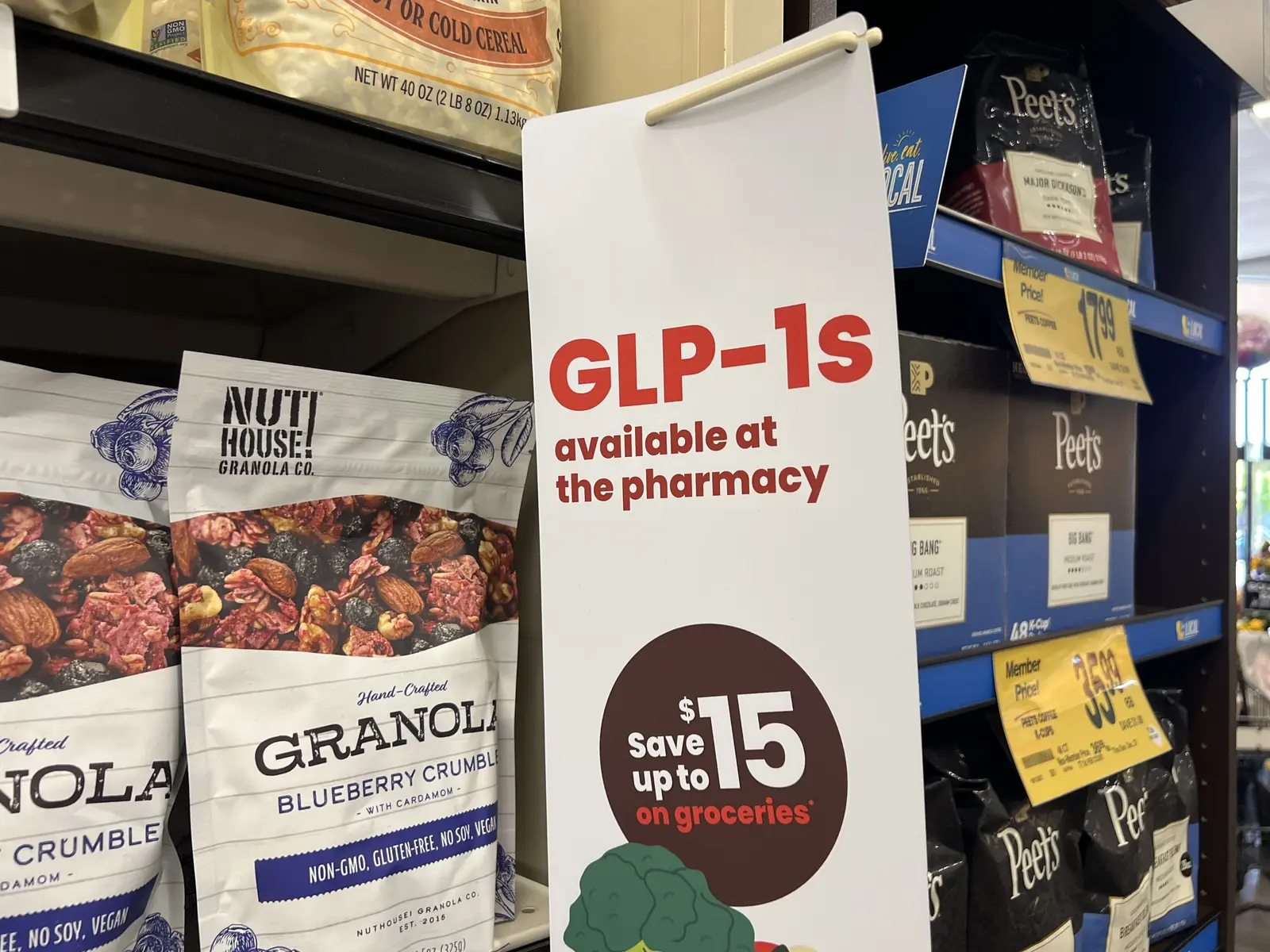
GLP‑1 Supplements Leave One Week‑Long Tester Still Hungry, Raises Questions About Their Effectiveness
Why GLP‑1 Supplements May Not Replicate Prescription Results
A freelance writer spent seven days taking over‑the‑counter GLP‑1‑based supplements, hoping to curb appetite and lose weight. The experiment began on Monday in a downtown apartment, with daily doses of the popular „lean‑boost” pills. By the end of the week, the author reported no significant reduction in hunger and only modest changes in energy levels, prompting a closer look at why these products may fall short of their promises.
Latest news
 Costco's Frozen Dumpling Lineup, Ranked From Least To Most Tasty
 Best stainless-steel frying pans 2026: expert-tested picks for searing, eggs and daily cooking
 Trader Joe’s First‑Time Shopper Guide: Must‑Try Items
 Panda Express vs P.F. Chang's: Which Orange Chicken Is Healthier?
The writer’s trial coincided with a broader surge in interest for GLP‑1 compounds after prescription drugs like semaglutide gained fame for dramatic weight loss. Retailers have flooded the market with cheaper alternatives that claim to mimic the hormone’s appetite‑suppressing effects without a prescription. The author purchased two leading brands, each marketed as „clinically inspired” and „naturally derived.” Doses were taken with breakfast and lunch, and the writer kept a food diary, noting cravings, portion sizes, and any side effects. Despite following the regimen precisely, the writer found cravings for carbs and snacks persisted, and weight remained unchanged. Minor gastrointestinal discomfort was reported, but no severe adverse events occurred.
Pharmaceutical GLP‑1 agonists are injectable drugs that deliver precise, high‑dose hormone analogues directly into the bloodstream, achieving measurable reductions in appetite and caloric intake. Over‑the‑counter supplements, by contrast, contain low concentrations of plant extracts or peptides that are poorly absorbed when taken orally. Nutrition scientists explain that the digestive system breaks down many of these compounds before they can reach the receptors that regulate hunger. „The bioavailability of oral GLP‑1 mimetics is extremely limited,” said Dr. Elena Ramos, a metabolic researcher at the University of Texas. „Without the engineered delivery systems used in prescription drugs, the effect is negligible for most users.”
Can Over‑the‑Counter GLP‑1 Supplements Really Help Weight Loss?
The writer’s experience aligns with emerging consumer reports that highlight a gap between marketing hype and real‑world outcomes. While some users notice a slight reduction in late‑night snacking, the consensus is that the supplements do not produce the profound appetite suppression seen with medically supervised GLP‑1 therapy. Moreover, the lack of regulation means ingredient lists can vary, and some products may contain fillers that contribute little beyond placebo.
Consumers wonder whether these pills are worth the cost. The short answer: they may offer a modest boost for those already following a disciplined diet, but they are unlikely to replace prescription medication or lifestyle changes. Experts caution against relying on supplements as a primary weight‑loss strategy. „If you’re looking for clinically proven results, a prescription GLP‑1 agonist under a doctor’s supervision is the only reliable option,” Dr. Ramos emphasized.
The writer’s week‑long trial suggests that expectations should be tempered. While the supplements were easy to incorporate into daily routines, the lack of significant appetite reduction means they are not a shortcut to weight loss. Users should consider them as a possible adjunct to a balanced diet and regular exercise, not a standalone solution.
Frequently Asked Questions
Do GLP‑1 supplements work for everyone? No. Their effectiveness varies widely, and most users experience only minor changes in hunger levels, if any.
Are there any safety concerns with these over‑the‑counter products? Generally they are safe for short‑term use, but because they are unregulated, ingredient quality can differ, and some people may experience mild stomach upset.
Should I try a GLP‑1 supplement before seeing a doctor? It’s better to consult a healthcare professional first, especially if you have underlying health conditions or are considering prescription GLP‑1 therapy.
Content written by Victoria Lane for fancy-meals.com editorial team, AI-assisted.