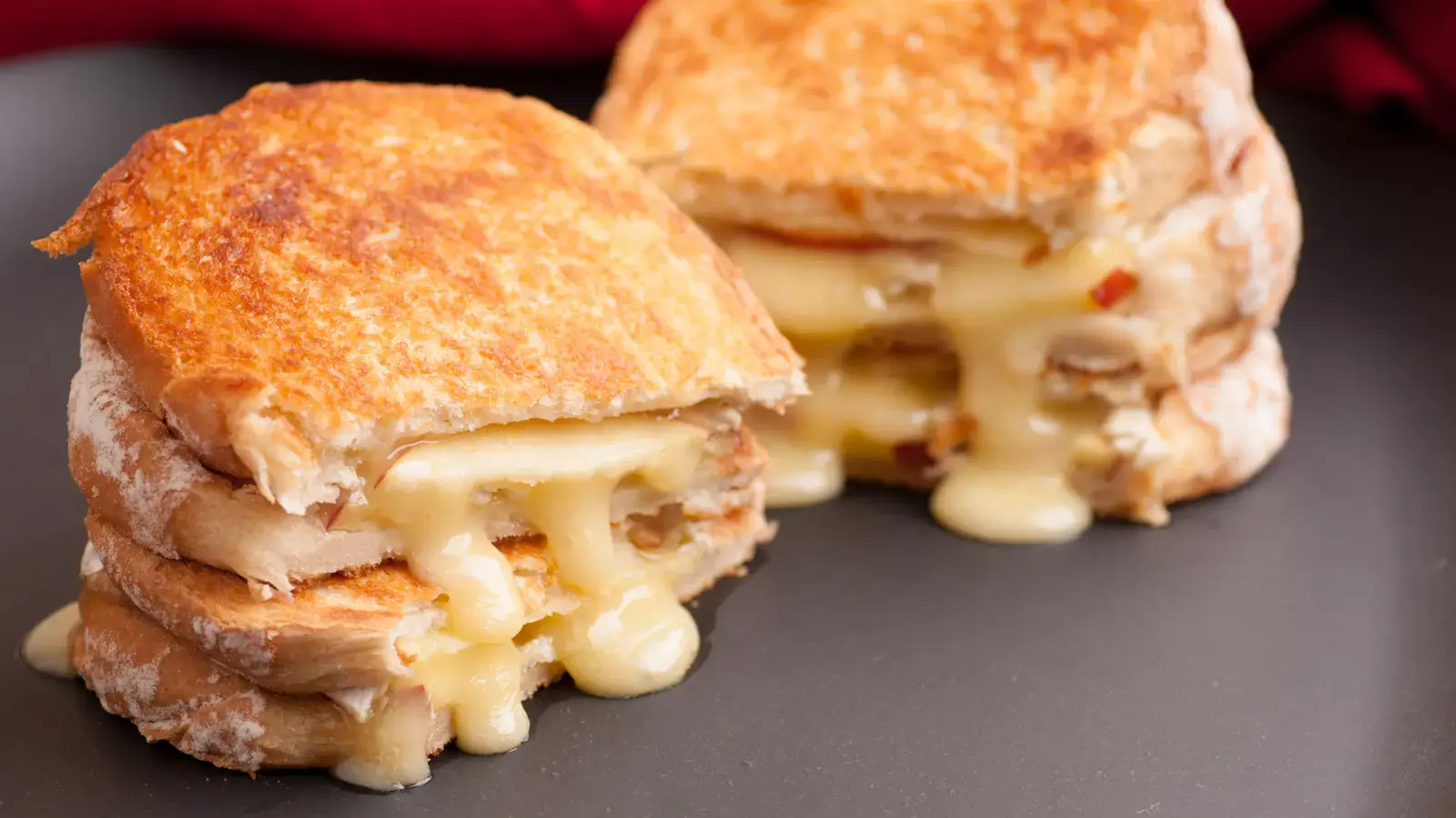
Global Grilled Cheese Traditions Challenge American Standards
Regional Twists Redefine The Classic Sandwich
September 21, 2026 marks a renewed interest in international comfort food variations. While Americans typically associate grilled cheese with simple white bread and American cheese, global culinary traditions offer diverse alternatives. These regional twists utilize local ingredients and techniques, transforming a basic snack into a complex cultural dish.
Latest news
 Costco's Frozen Dumpling Lineup, Ranked From Least To Most Tasty
 Best stainless-steel frying pans 2026: expert-tested picks for searing, eggs and daily cooking
 Trader Joe’s First‑Time Shopper Guide: Must‑Try Items
 Panda Express vs P.F. Chang's: Which Orange Chicken Is Healthier?
The standard American version relies heavily on processed cheese and soft sandwich bread. However, other countries adapt the concept using distinct dairy products and baking styles. This shift reflects broader culinary trends where local flavors dominate over mass-produced staples. Chefs and home cooks alike are exploring these methods to elevate their daily meals.
Specific variations emerge from different continents, each with unique characteristics. In France, the croque-monsieur adds ham and béchamel sauce to the mix. This creates a richer, savory experience compared to the dry American style. Meanwhile, Italian preparations often feature focaccia or ciabatta bread paired with mozzarella or provolone. The crusty exterior provides a necessary contrast to the melting interior.
How Do Local Ingredients Change The Taste?
Asian influences bring entirely different textures and flavor profiles. Japanese versions might incorporate miso or soy-based sauces for umami depth. Korean adaptations could include gochujang for a spicy kick. These examples show that the core concept of heated melted cheese remains constant, but the supporting elements vary wildly. The use of fresh herbs and spices distinguishes these global takes from the plain American original.
The choice of bread significantly impacts the final result. Stale bread is often preferred in many European recipes because it absorbs less moisture. This prevents the sandwich from becoming soggy during the grilling process. Cheese selection also plays a critical role in texture and flavor intensity. Hard cheeses like aged cheddar or gouda require higher heat to melt properly. Soft cheeses like brie melt quickly but can lose their shape easily.
Cultural preferences dictate which combinations succeed best in specific regions. For instance, Middle Eastern variations might use halloumi, which retains its shape even when hot. This allows for a firmer bite rather than a gooey pull. The integration of local vegetables or meats further customizes the dish. These additions turn a simple snack into a substantial meal component. Understanding these differences helps diners appreciate the diversity behind a seemingly universal food item.
Frequently Asked Questions
Is American cheese the only option for grilled sandwiches? No, virtually any meltable cheese works well. Aged varieties provide stronger flavors, while mild options suit those preferring subtlety. Fresh mozzarella offers a creamy texture without excessive saltiness.
Does the type of bread matter significantly? Yes, bread structure affects how the cheese melts and holds together. Denser loaves like sourdough create a sturdy base. Thin slices may burn before the cheese fully melts, so thickness matters.
Can you add non-cheese fillings to these variations? Absolutely, many global recipes include meats, vegetables, or sauces. Ham, mushrooms, and pickles are common additions. These ingredients add complexity and balance the richness of the dairy.
Content written by [email protected] (Stephanie Mee) for fancy-meals.com editorial team, AI-assisted.