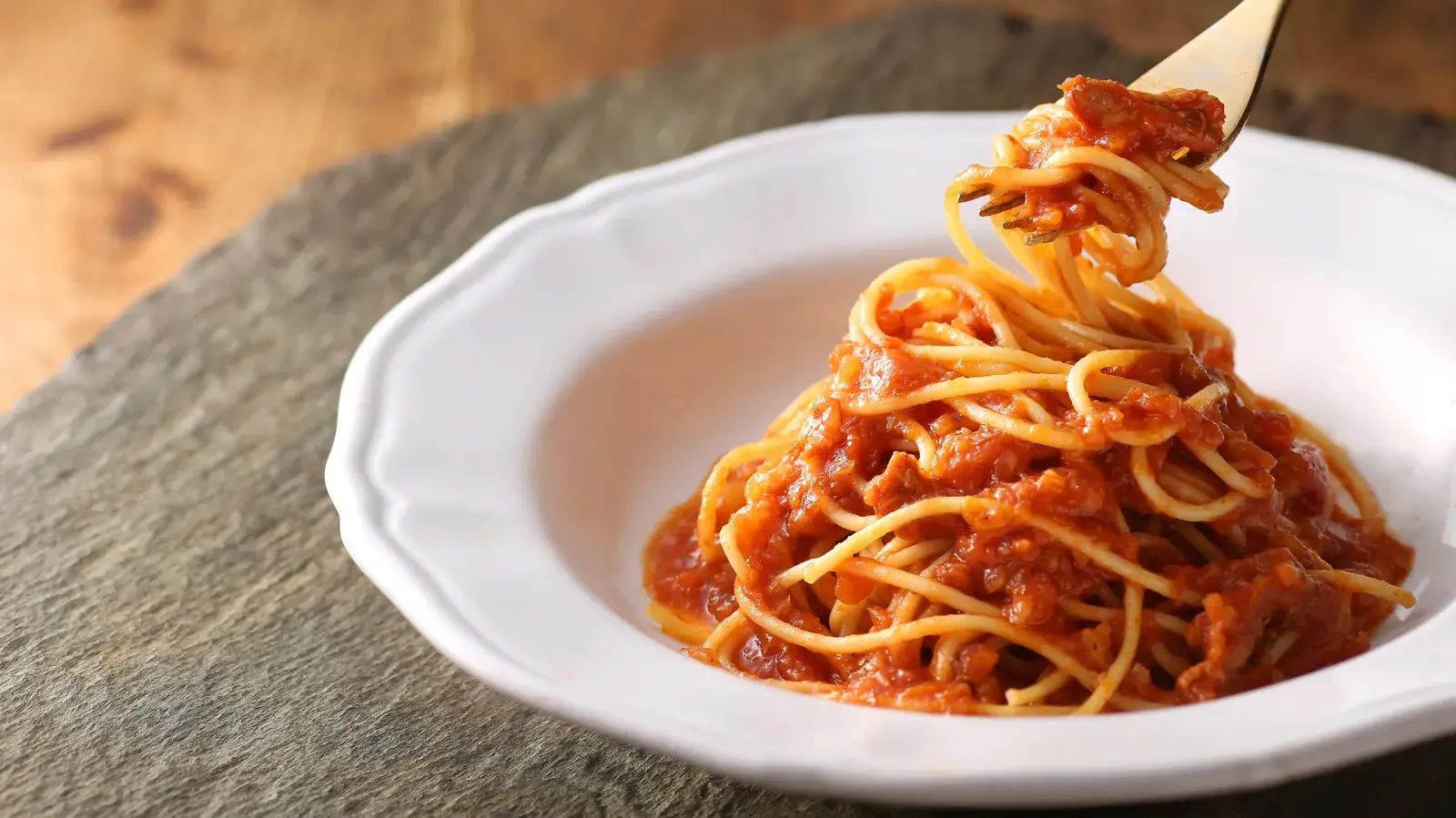
Give Any Pasta A Creamier, Lasagna-Style Texture With This Classic Italian Mix-In
The ricotta blend adds moisture and protein
On September 20, 2026, food writer Julia Mullaney explained how a traditional Italian dairy blend transforms ordinary pasta into a rich, lasagna‑like sauce. She said a simple mix‑in melts into the sauce, giving a creamy texture without extra steps. The method uses just a few pantry staples to achieve restaurant‑level richness.
Latest news
 The Ultimate Homemade Chili Recipe for Cold Weather
 The Nutritional Power of Pumpkin Beyond Seasonal Desserts
 A Culinary Journey Through the 30th Epcot International Food and Wine Festival
 Burger King Unleashes Hello Kitty Kids' Meal with Ultra-Rare Golden Collectible
Mullaney describes the blend as equal parts ricotta, grated Parmesan, a knob of butter and a pinch of nutmeg. When stirred into a simmering tomato or meat sauce, the mixture emulsifies, creating a silky coating that mimics the layered richness of traditional lasagna. The result is a sauce that clings to each noodle, delivering depth without extra cooking steps. The butter also enriches the sauce, giving it a glossy finish that clings to the pasta. Nutmeg adds a subtle warmth that rounds out the tomato’s acidity, making the flavor more balanced.
The ricotta blend adds moisture and protein, allowing the sauce to thicken naturally. A tablespoon of butter helps bind the dairy, while nutmeg introduces a warm note that balances acidity. This single addition eliminates the need for multiple layers, making the dish quicker to prepare. The blend can be prepared ahead of time and stored in the fridge for up to three days.
When the dairy mixture melts, it coats each strand, creating a uniform, velvety film. The added fat reduces surface tension, so the pasta feels smoother on the palate. Diners notice a richer mouthfeel that resembles the creamy layers of a baked lasagna without the oven time. The result is a sauce that feels luxurious without the need for a separate béchamel.
Frequently Asked Questions
Chefs and home cooks alike are adopting this shortcut to streamline weeknight meals while preserving authentic Italian flavor. As more recipes incorporate the blend, pasta sauces may evolve toward a consistently creamy profile, reshaping expectations of texture in everyday dishes. This approach also reduces food waste by using pantry staples efficiently.
How much of the mix‑in should I use per serving? Start with two tablespoons for a single serving. Adjust upward if the sauce feels thin, but the blend is designed to work with modest amounts.
Can I substitute another cheese? Yes, cottage cheese or mascarpone work as alternatives. They provide similar creaminess, though the flavor will shift slightly.
Does this method affect the sauce’s cooking time? No, the blend melts quickly, so the sauce reaches its final texture in the same time as usual. You only need to stir it in near the end of simmering.
Content written by [email protected] (Julia Mullaney) for fancy-meals.com editorial team, AI-assisted.